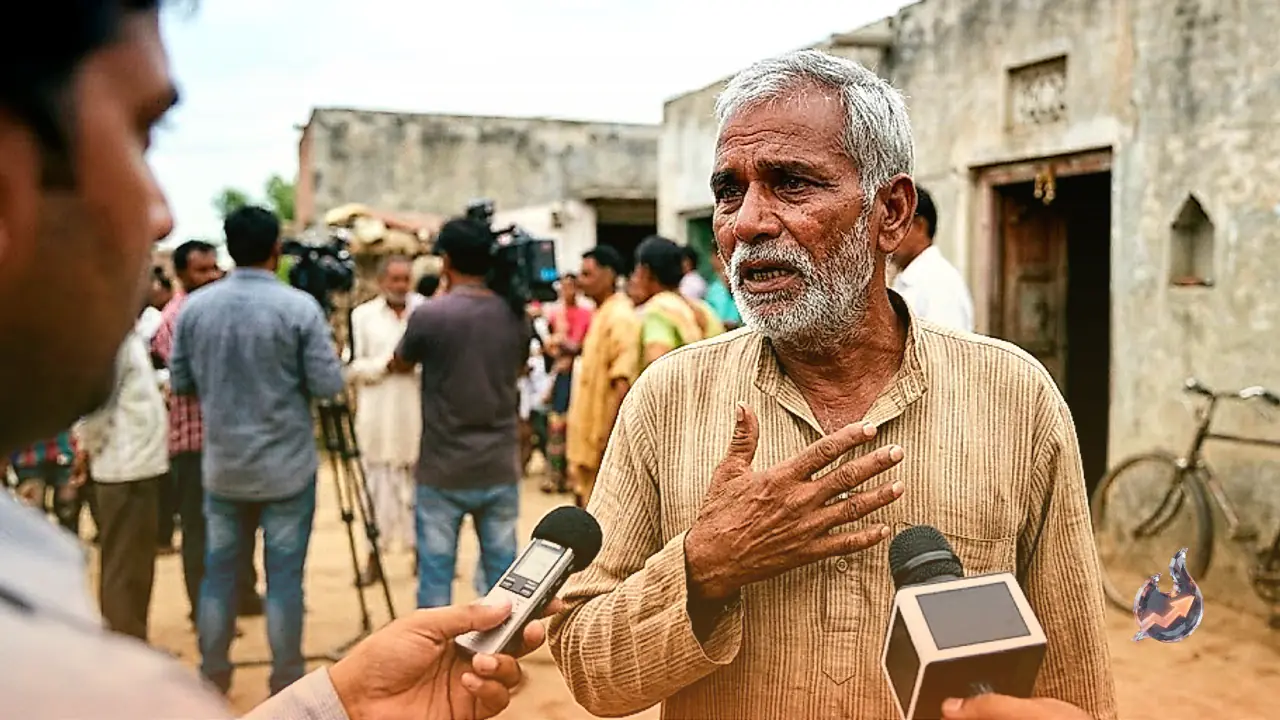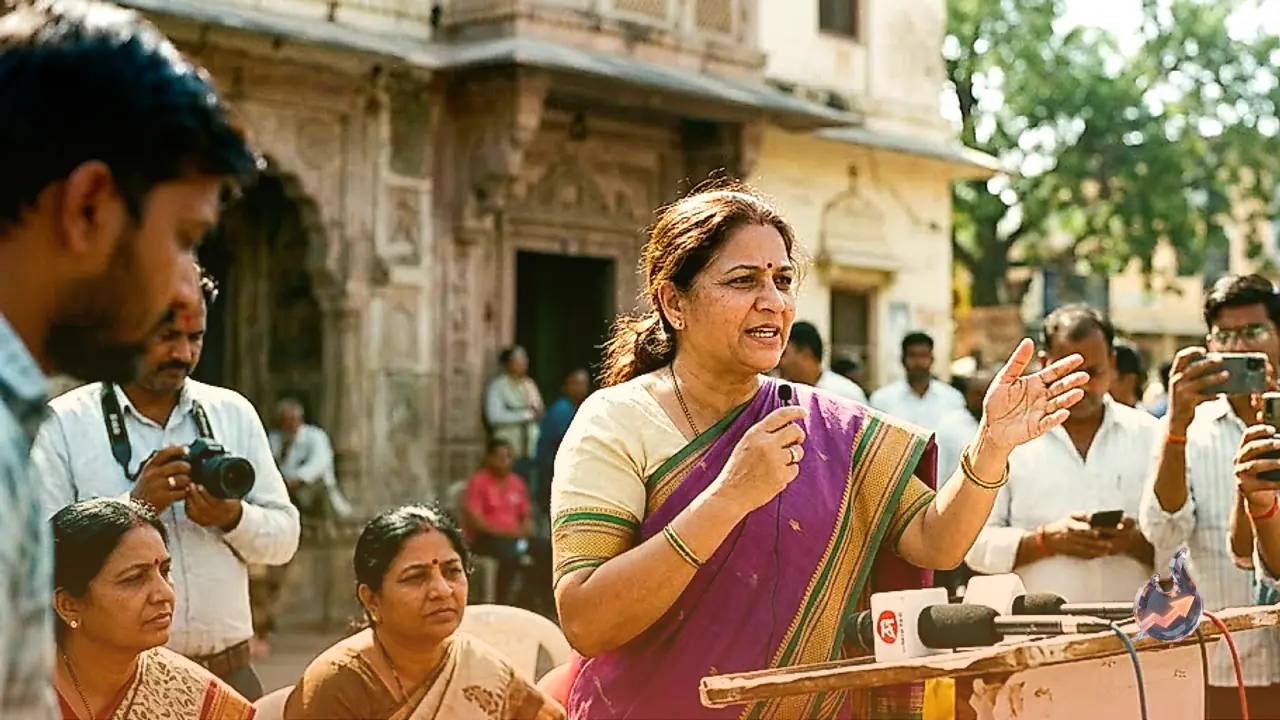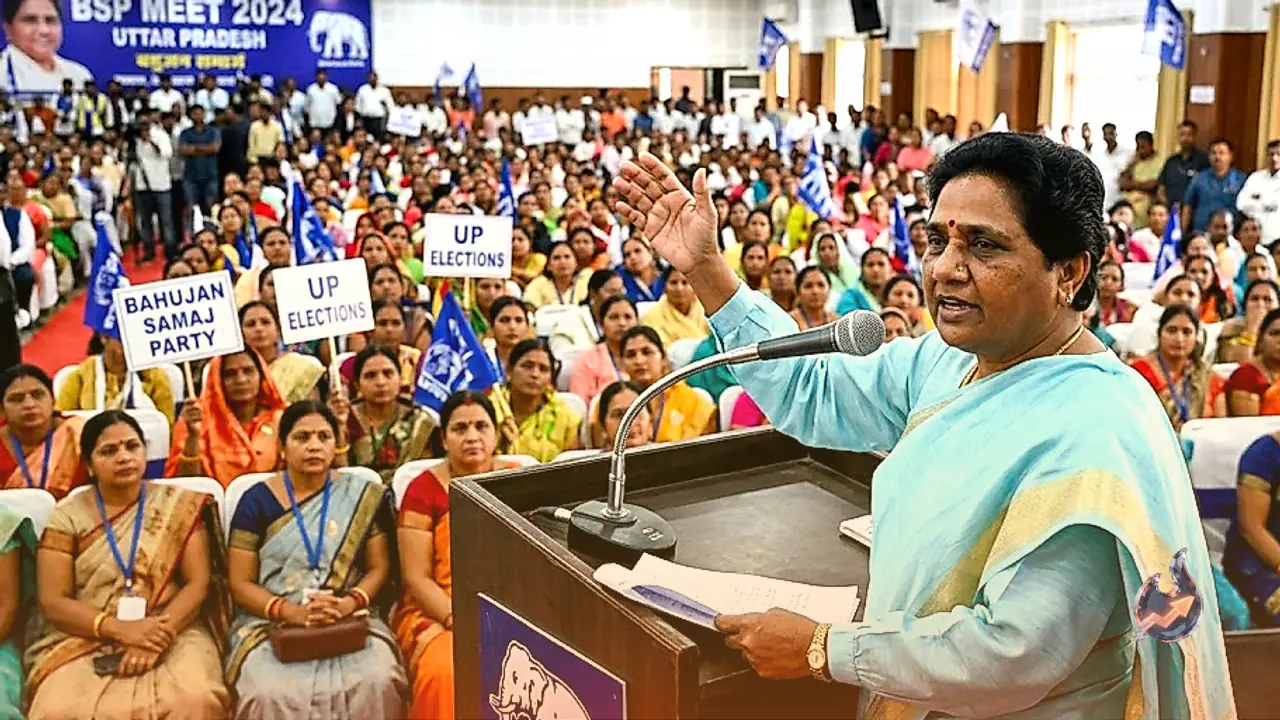














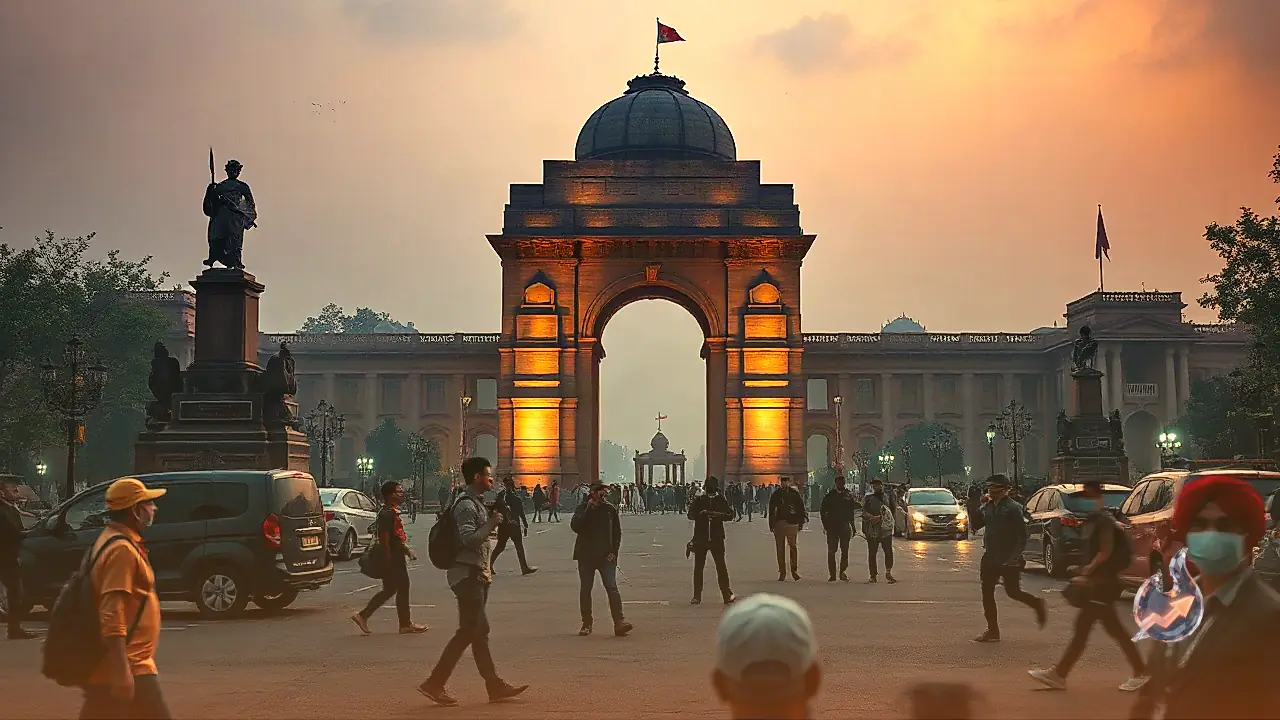

The Supreme Court heard a significant petition concerning the proposed protest march organized by the Cockroach Janata Party at India Gate in the national capital. The petition had raised serious concerns over potential law and order disruptions due to the march announced via social media platforms. However, while hearing the matter, Chief Justice of India Surya Kant declined to issue any immediate orders, leaving the resolution of the issue to the government and relevant enforcement agencies. The next hearing for this case has been scheduled for September 10.
Arguments by the Petitioner and Administrative Concerns
During the proceedings, senior advocate Dr. Rizwan, appearing for the petitioner, informed the bench that the march had been announced exclusively through social media and, to his knowledge, no formal permission had been obtained from the police or local administration for the event. He noted that while protesting is a democratic right for every individual, the core question remains regarding the proper legal procedure that must be followed to exercise such rights.
The advocate further argued that apprehensions are frequently rooted in past experiences, warning that minor situations can gradually escalate into severe law and order challenges if left unattended. He reminded the court that international delegates would be visiting the capital on September 12 and 13, and any untoward incidents in Delhi during that window could adversely impact the nation's global reputation. Referring to previous disruptions during events like the AI Summit, he maintained that these concerns were grounded in reality rather than being mere speculations.
Dr. Rizwan also questioned the urgency of the protest, asking whether the organization could not wait for ten days until the conclusion of the BRICS Summit. He suggested that the group should first approach the government for permission, and if denied, they could immediately approach the apex court.
Observations and Directions by CJI Surya Kant
Addressing the core issues, CJI Surya Kant observed that the matter has two distinct facets, namely law and order and policy considerations. He emphasized that the concerned parties should be allowed to engage with the government first. The Chief Justice remarked that the court currently proceeds on the assumption that all individuals will act responsibly, peacefully, and strictly in accordance with the law, meaning there are no compelling circumstances at present to warrant an assumption of wrongdoing.
Reiterating the division of responsibilities, CJI Surya Kant stated that maintaining law and order is the primary obligation of the government and relevant law enforcement agencies, who must independently determine what falls inside or outside the legal framework. Furthermore, the court directed that a complete copy of the application be submitted to the high power committee so that the applicant's perspective is duly registered there.
When the advocate requested the court to summon the organizers responsible for the march to appear before the bench, CJI Surya Kant declined, noting that the court cannot compel individuals or groups who are not formal parties to the litigation to appear. The bench also pointed out that no clear or organized address for the group is available on record, making an application to the government the most appropriate course of action. Concluding the hearing, the court clarified that if any alarming or critical situation arises subsequently, the aggrieved parties remain at liberty to approach the judiciary within the bounds of the law.