

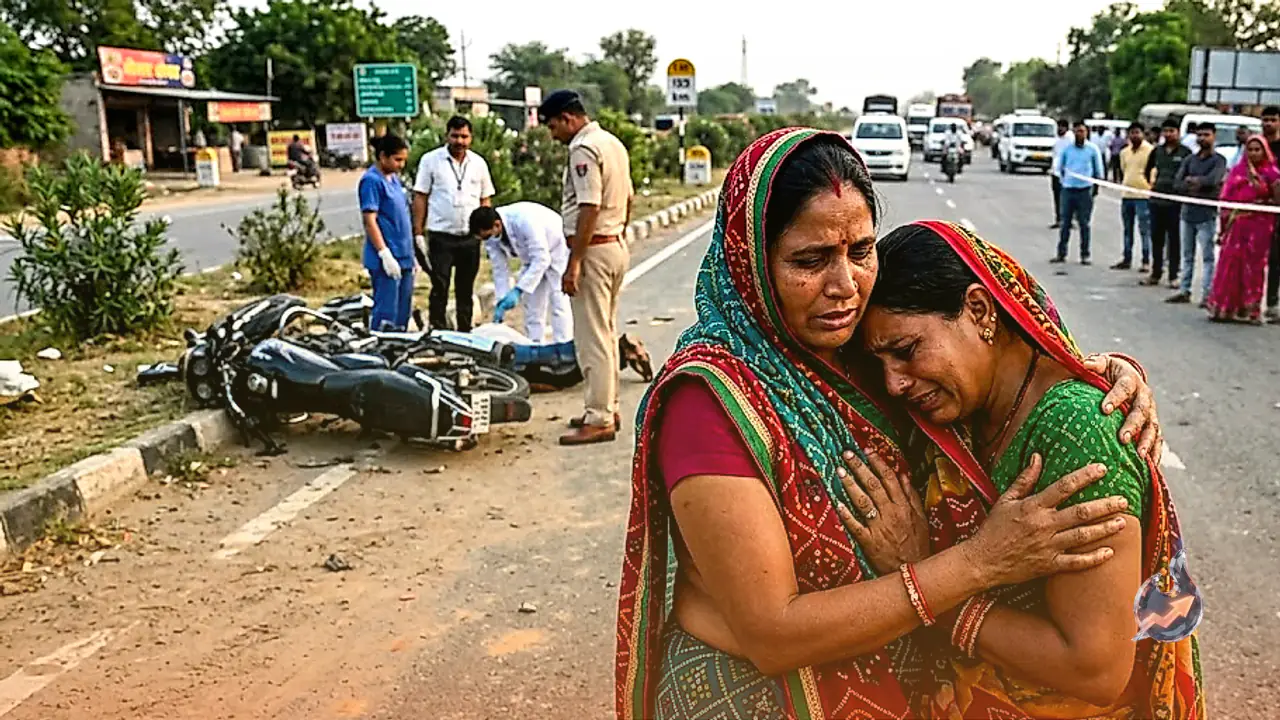

















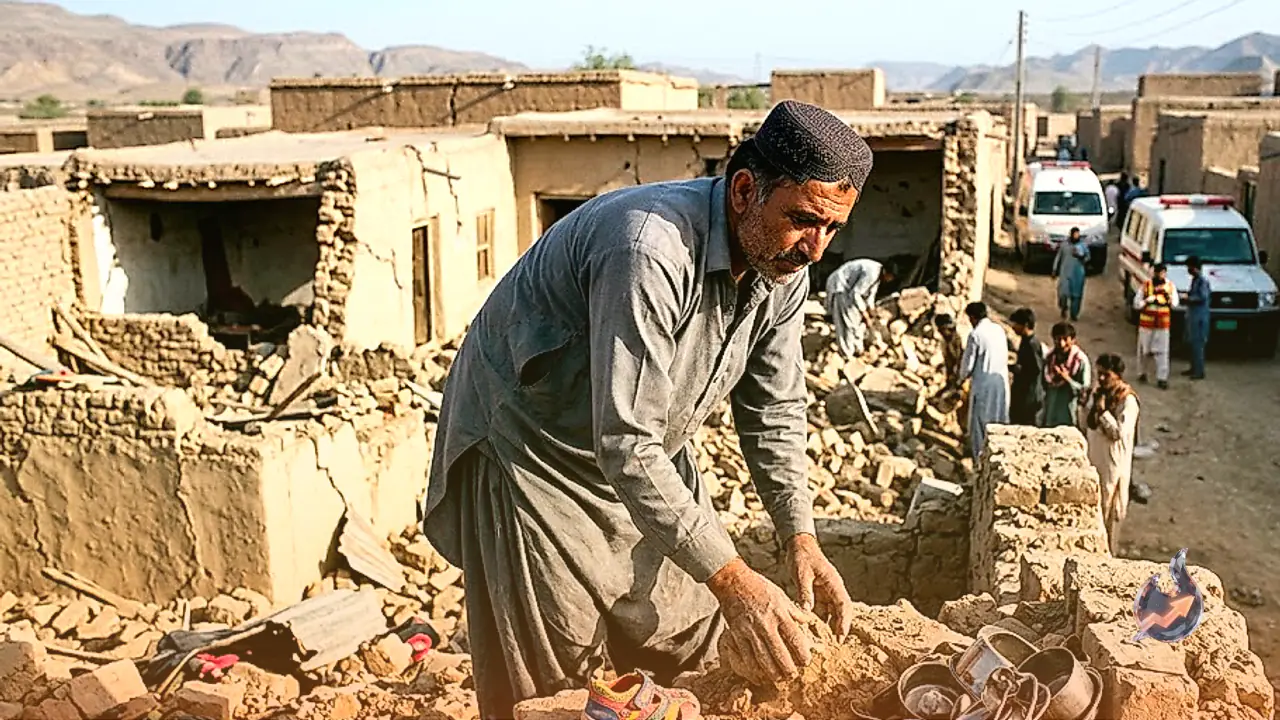

A devastating midnight airstrike by the Pakistani military targeting Goandhan village in Balochistan's Surab district has claimed the lives of 28 innocent civilians. Fighter jets dropped heavy munitions on residential dwellings during the early morning hours while villagers were asleep. The casualties include 9 children and 7 women, according to local findings. This severe military offensive unfolded immediately after residents across Balochistan publicly organized widespread celebrations marking their independence from Pakistan. Over 17 individuals sustained critical injuries in the bombardment and are currently receiving emergency treatment extracted from the rubble.
Midnight Bombardment and Devastation in Goandhan
At approximately 2:00 AM, as residents of Goandhan village were asleep in their homes, the roar of Pakistani military fighter jets shattered the night. The warplanes launched heavy aerial strikes directly onto the mud and concrete homes of unarmed Baloch families. The intense explosions reduced the peaceful residential hamlet to piles of pulverized concrete and debris within seconds, waking the region to scenes of panic and chaos.
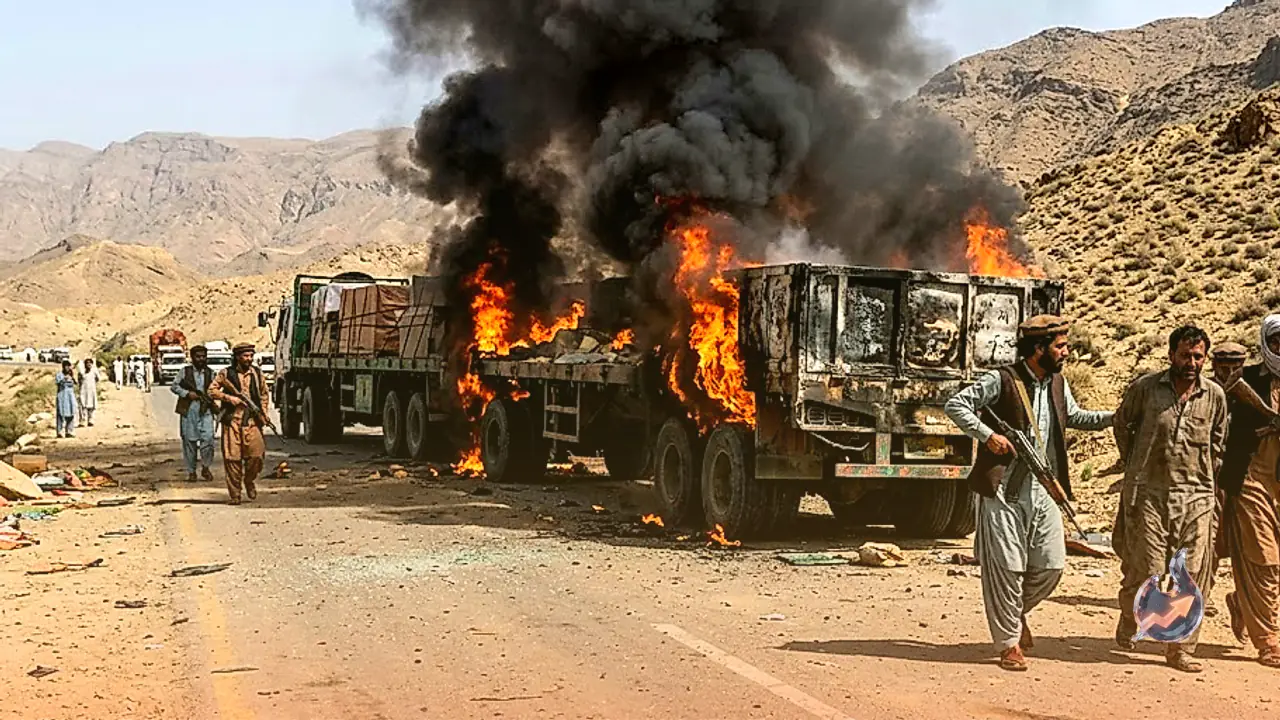
In the immediate aftermath of the strike, the entire village took on the appearance of a warzone. Structural collapses trapped dozens of sleeping villagers under heavy roofs and brick walls. Local residents rushed to clear the debris using their bare hands in a desperate effort to uncover relatives buried underneath the destroyed structures, as no heavy machinery or emergency support was provided by officials.
Casualty Statistics and Critical Condition of the Wounded
The tragedy resulted in 28 verified fatalities, reflecting a heavy toll on vulnerable demographics. Among the deceased were 9 innocent children who were killed in their beds during the bombardment. Additionally, 7 women lost their lives while attempting to shield their children and family members from collapsing structures. The aerial strike also took the lives of 12 Baloch men residing in the village.
Furthermore, more than 17 people suffered severe burn wounds, trauma, and crushing injuries under the weight of the collapsed buildings. Emergency responders and surviving villagers worked relentlessly to pull the injured from the wreckage. Due to the limited medical infrastructure available in the Surab district and the grave nature of many injuries, local healthcare personnel indicate that the death toll could increase further.
Independence Celebrations and Military Retaliation
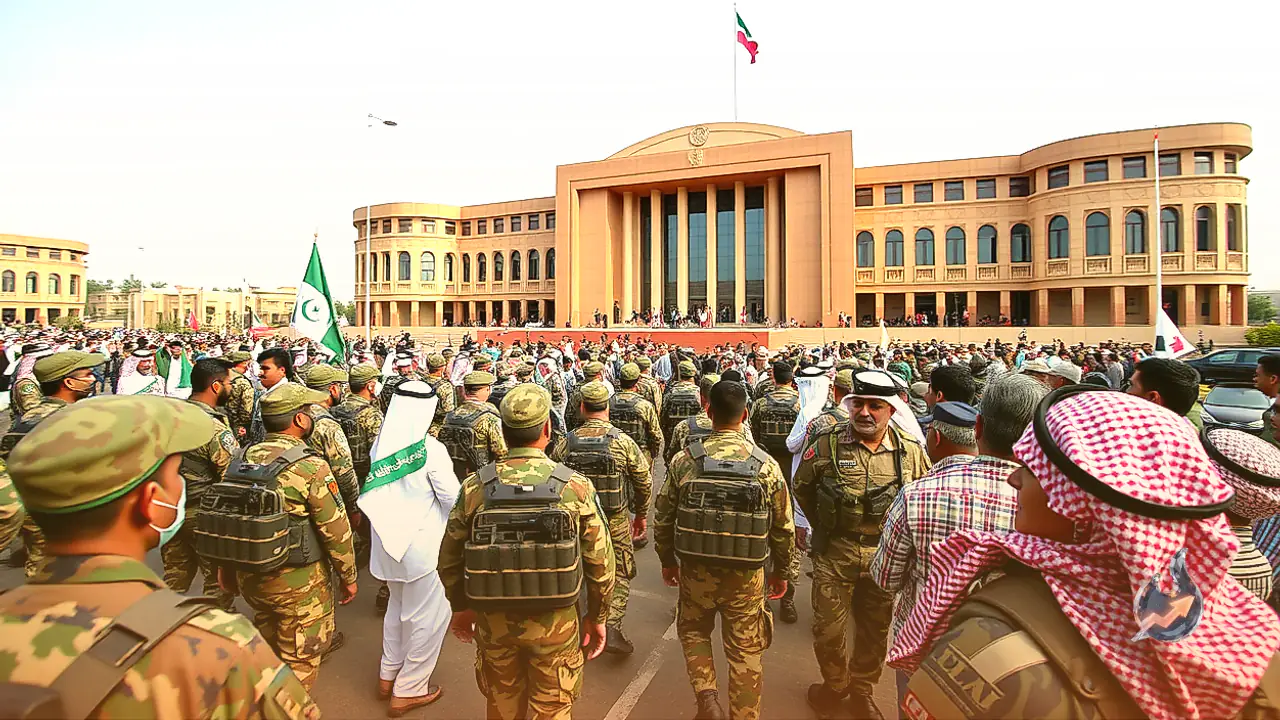
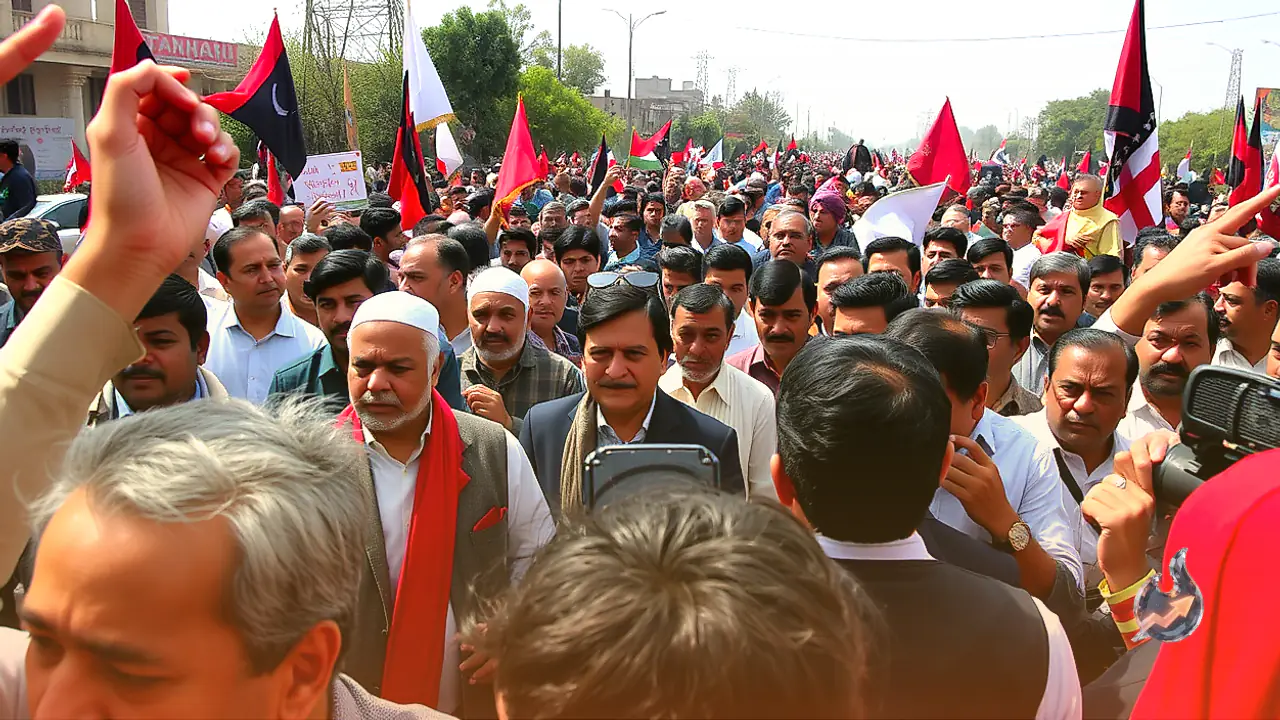
The brutal late-night assault on civilian housing followed widespread public demonstrations across Balochistan just a day prior. Large gatherings of Baloch citizens had celebrated their self-declared independence from Pakistan by unfurling Baloch national flags on major thoroughfares and raising vocal chants against the governance of the Pakistani administration and armed forces.
This visible display of public defiance and anti-government sentiment deeply angered General Asim Munir, head of the Pakistani military. In an attempt to suppress the rising movement and instill widespread panic throughout the province, military commanders authorized aggressive actions against civilian settlements. This retaliatory stance directly led to the targeting of Goandhan village in the middle of the night.
Ground Siege, Interrogations, and Official Silence
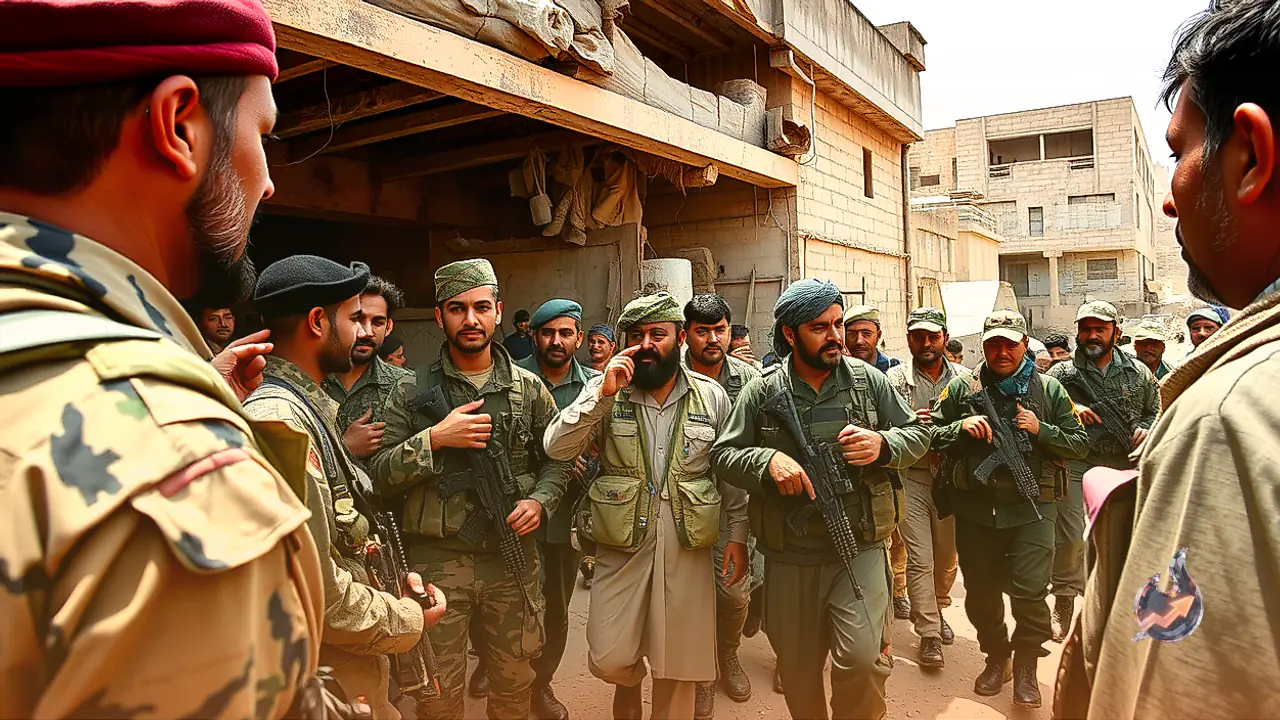
Witnesses and regional sources indicated that the military action extended beyond aerial bombing. Prior to and immediately after the jet strikes, ground troops sealed off all access points surrounding Goandhan village. Armed personnel encircled the perimeter, subjecting surviving residents to physical intimidation and intense questioning among the ruins.
For decades, human rights groups have documented allegations against the Pakistani armed forces regarding enforced disappearances, illicit detention camps, and extrajudicial killings under the guise of security operations in Balochistan. However, the deployment of fighter jets to bomb residential civilian villages marks a dramatic escalation in state violence. Hours after the destruction, both Pakistani government officials and military headquarters maintained complete silence regarding the air operation.
Economic Exploitation and Historical Roots of Separatism
The longstanding movement for Baloch independence is rooted in systemic economic neglect and severe human rights abuses committed by central authorities. Despite being geographically blessed with vast reserves of natural gas, gold, copper, and precious minerals, Balochistan remains one of the most economically impoverished regions, lacking basic necessities such as clean drinking water, adequate schools, and functional hospitals.
Baloch populations have long protested that central authorities extract the region's natural wealth while offering local communities no meaningful development or political representation. Major international initiatives, including the China-Pakistan Economic Corridor (CPEC), have similarly faced opposition for excluding local populations from economic benefits and employment. Coupled with continuous military enforcement, these conditions have fueled persistent rebellions and strengthened the demand for full separation from Pakistan.