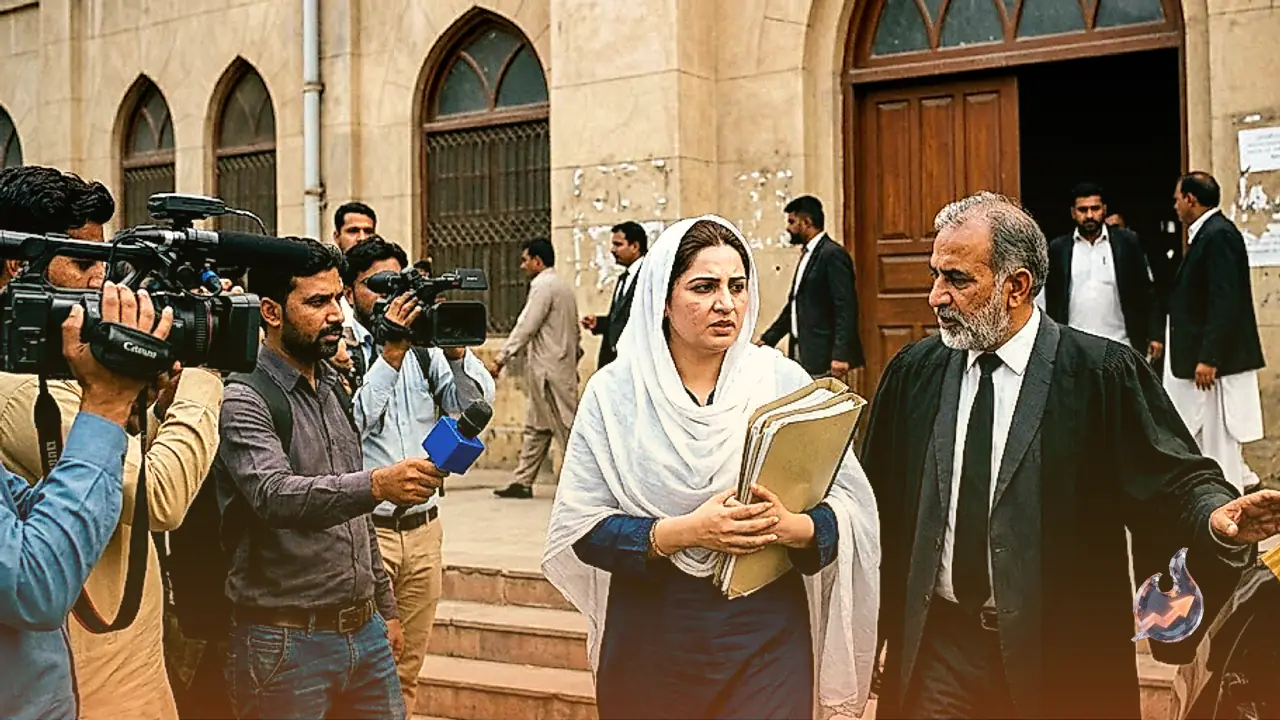



















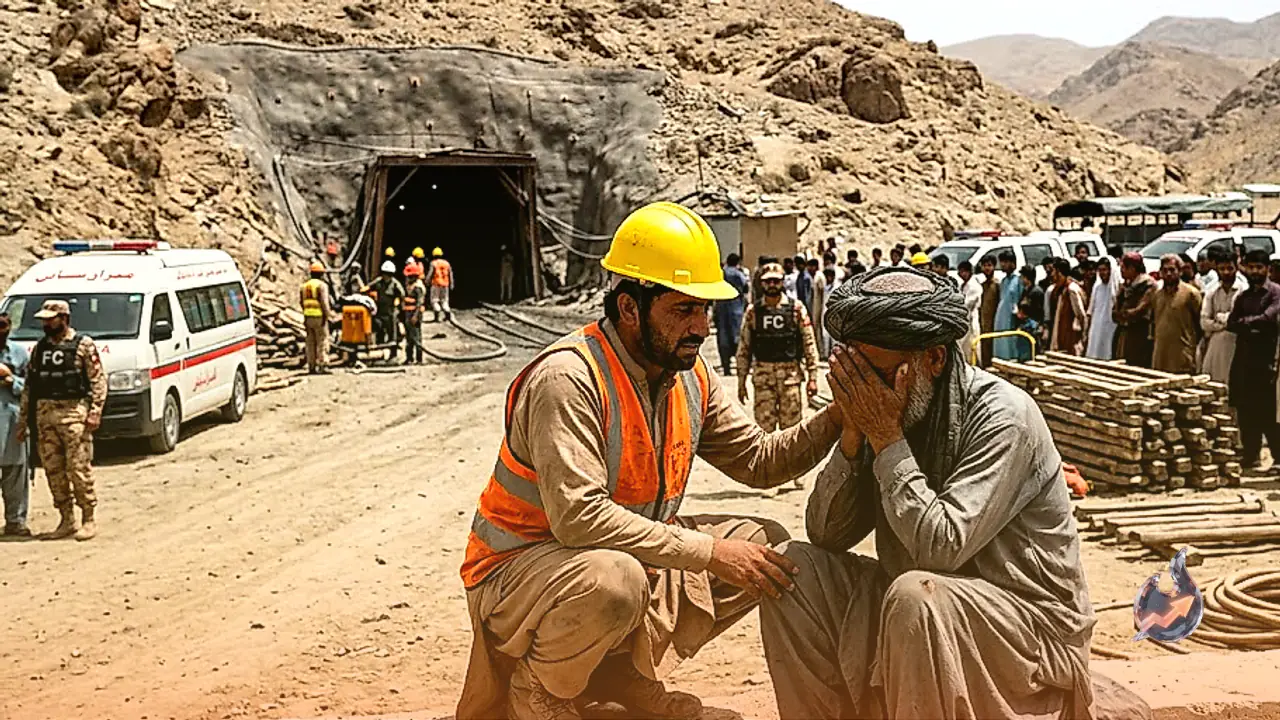

A devastating tragedy unfolded in Pakistan's Balochistan province after a high-intensity methane explosion ripped through an underground coal mine. Located on the outskirts of Quetta, the facility was shattered when toxic gas ignited deep beneath the surface. Official reports confirm that 18 workers lost their lives in the blast, while 24 miners remain trapped inside the collapsed shafts as rescue operations continue.
Cause of the Explosion and Initial Findings
Mine safety regulators launched an immediate inquiry to establish the precise sequence of events leading to the disaster. Government Mine Inspector Ghani Baloch stated that preliminary investigations indicate a rapid accumulation of highly flammable methane gas inside the mine corridors caused the explosion. Dangerous gas pockets present constant hazards in underground coal extraction when proper ventilation mechanisms fail.
Hazardous Conditions Impede Rescue Efforts
Emergency response crews mobilized rapidly to the disaster site to initiate subterranean search activities. However, operations are suffering severe delays due to residual toxicity in the air and structural collapse hazards within the mine channels. Specialized rescue teams are working to stabilize oxygen supply lines while navigating dense fumes to reach the 24 individuals who remain pinned deep underground.
Concerns Over Industrial Mine Safety Protocols
The calamity highlights ongoing vulnerabilities regarding workplace hazards and structural safeguards across regional mining infrastructure in Balochistan. As rescue teams continue their dangerous mission to trace survivors, local authorities are facing scrutiny over environmental monitoring standards and worker protection measures in hazardous extraction zones.