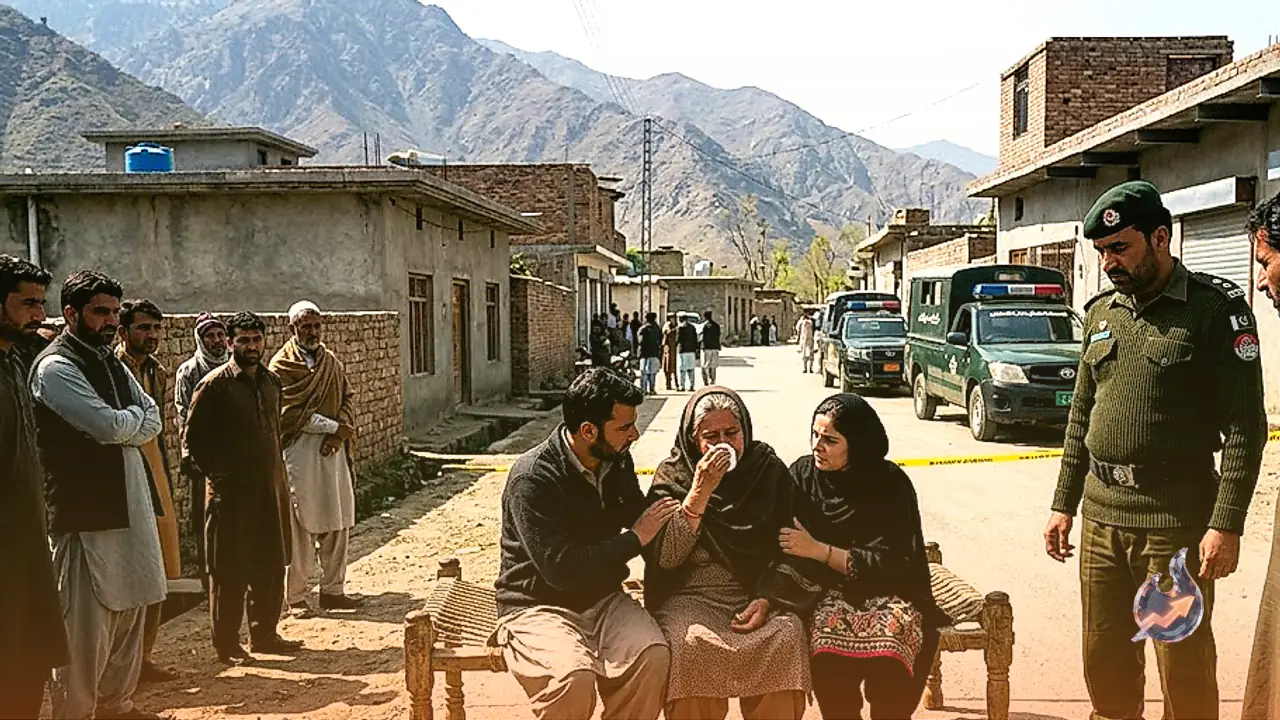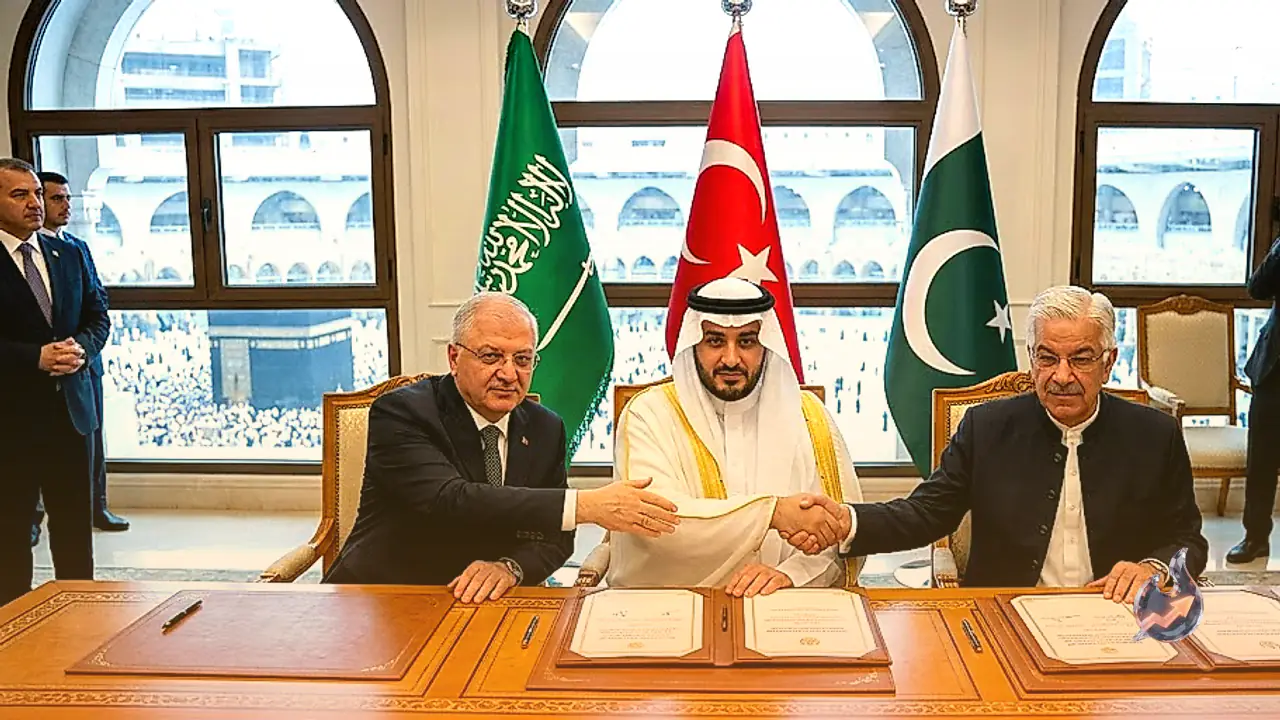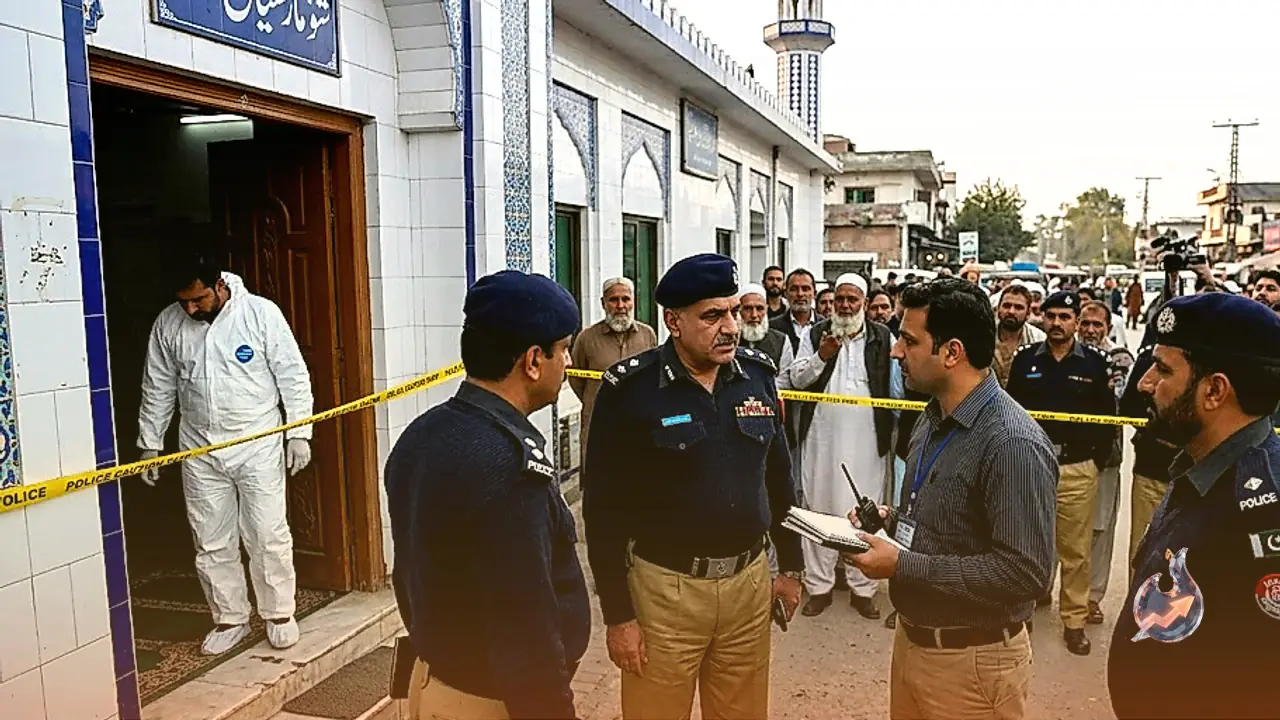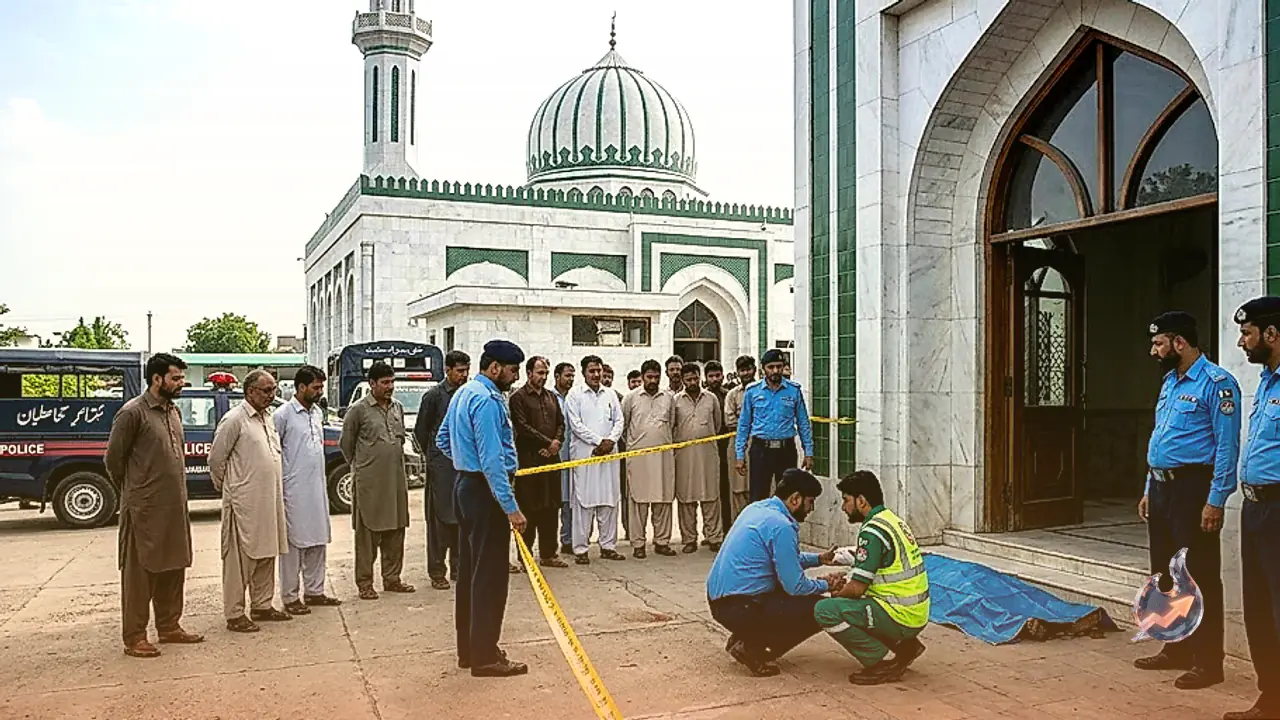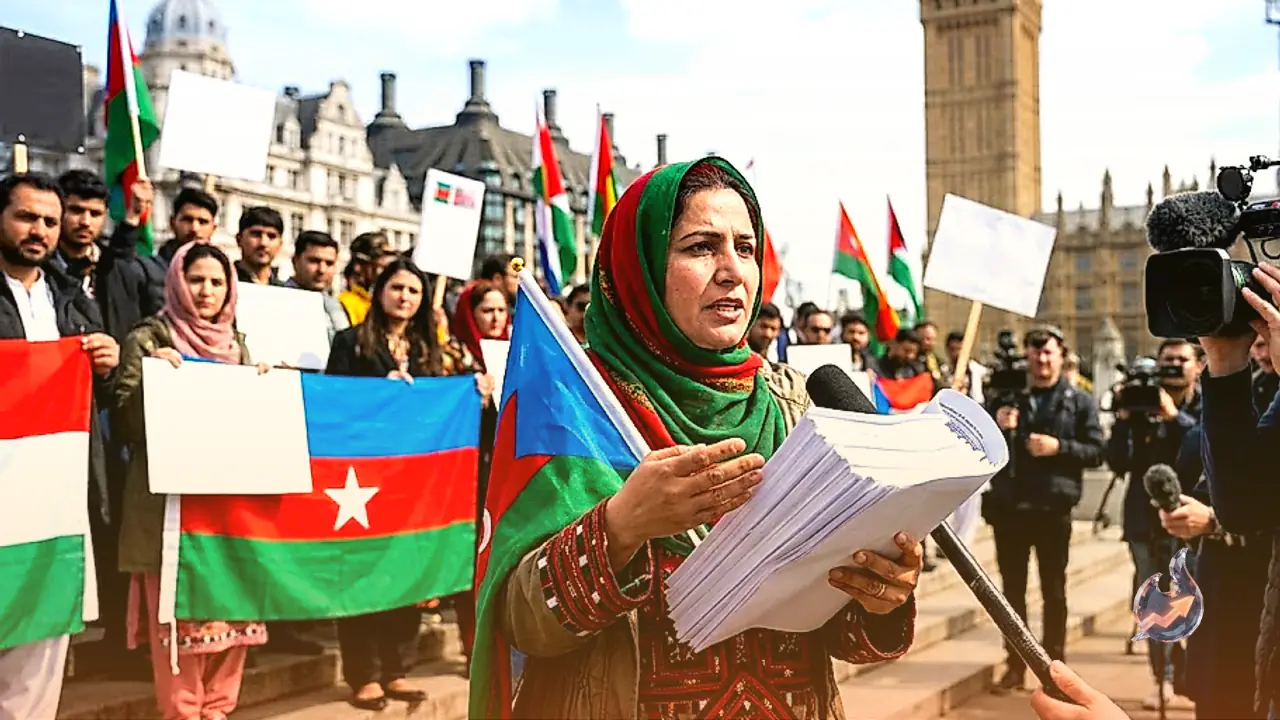
















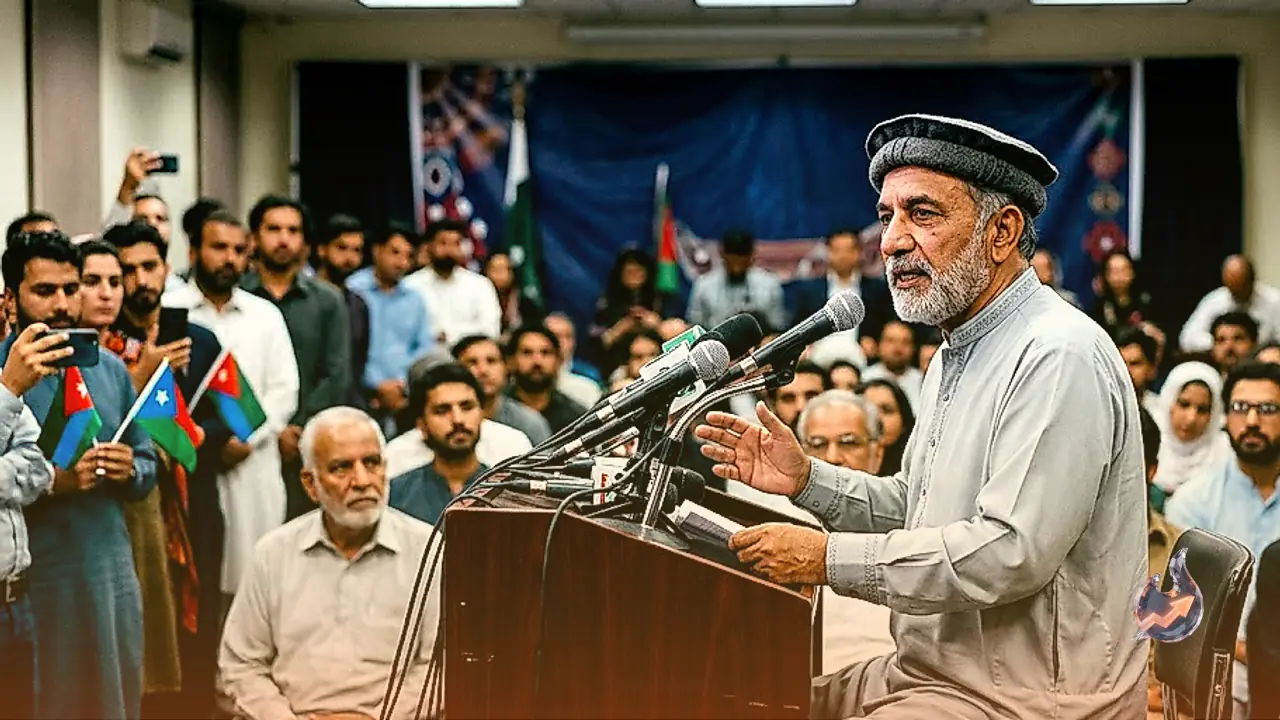

Diplomatic discussions flared up following August 11 celebrations in Pakistan's restive Balochistan province, marked by regional activists as Balochistan Independence Day. Prominent Baloch figure Mir Yar Baloch issued a renewed plea urging international bodies to recognize Balochistan as a sovereign state. Amid these developments, the movement directed special appreciation toward New Delhi after the Indian Ministry of External Affairs addressed human rights concerns in Pakistan-controlled territories. While Baloch representatives interpreted these official comments as a sign of encouragement, New Delhi has maintained its standard diplomatic position without extending formal recognition to the breakaway region.
Global Outreach and Diplomatic Aspirations
In a comprehensive public message shared across social media networks, Mir Yar Baloch appealed directly to major multilateral institutions, including the United Nations, ASEAN, the African Union, the Organisation of Islamic Cooperation, and various European nations. He demanded that these international bodies formally back the self-proclaimed sovereignty of the region. The leadership insisted that global powers must reframe their perspective, moving away from categorizing Balochistan as a mere administrative province of Pakistan and instead treating it as an independent nation.
For decades, activists in the region have conducted a sustained campaign for self-determination. Within this framework, neighboring India holds a key strategic position in the calculations of Baloch figures, who frequently seek ideological and diplomatic backing from New Delhi. While India has consistently shown respect for the struggle of the Baloch populace, official Indian foreign policy refrains from granting formal recognition to Balochistan as an independent country on the world stage.
MEA Press Briefing and New Delhi's Stance
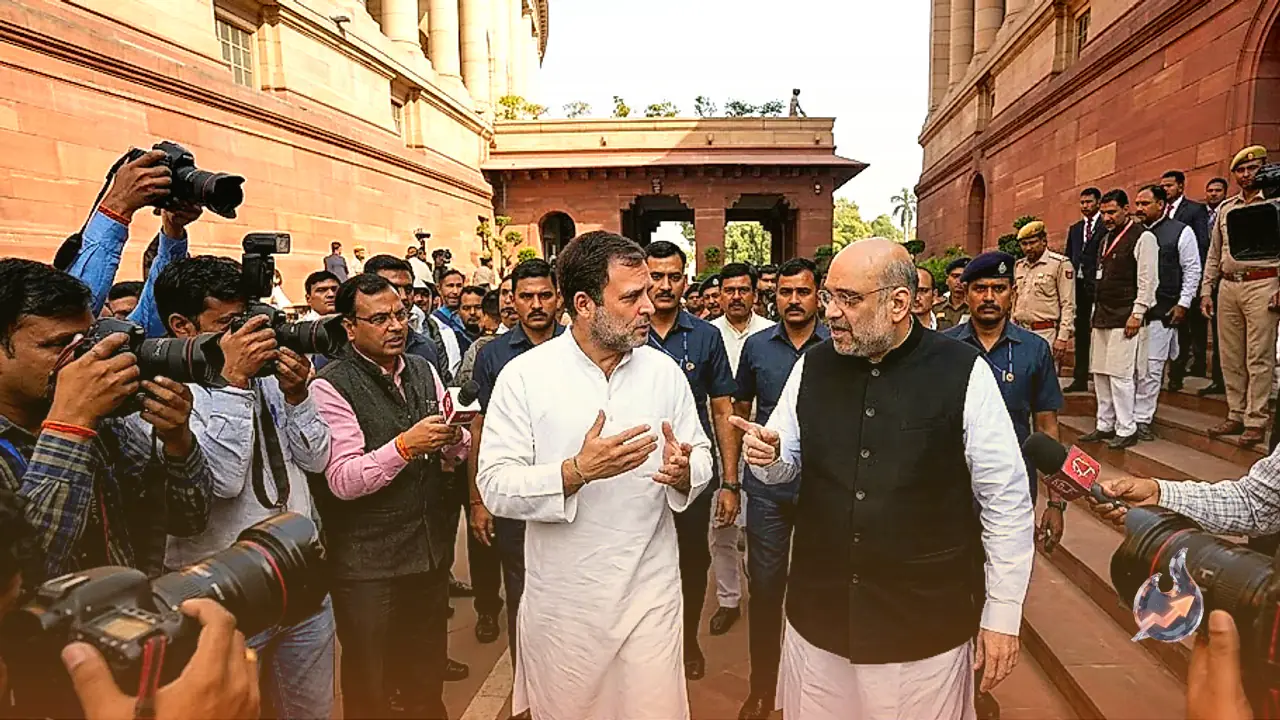
The latest wave of reaction was triggered by official statements during a press briefing held by the Indian Ministry of External Affairs on August 11. During the conference, MEA spokesperson Randhir Jaiswal responded to queries concerning Pakistan-occupied Jammu and Kashmir as well as Balochistan. In his responses, the spokesperson reiterated the necessity for accountability regarding human rights practices within regions under Pakistani administration.
Mir Yar Baloch welcomed these comments, expressing strong agreement with India's focus on human rights accountability across Pakistan-occupied Jammu and Kashmir and surrounding territories. He also commended Indian news media for granting significant coverage to Balochistan Independence Day observances. However, foreign policy analysts emphasize that welcoming human rights scrutiny differs substantially from granting diplomatic statehood. The portrayal of New Delhi's remarks as an endorsement of the independence movement remains an interpretation by Baloch activists rather than an official policy declaration by India.
Institutional Blueprint for a Proposed Republic
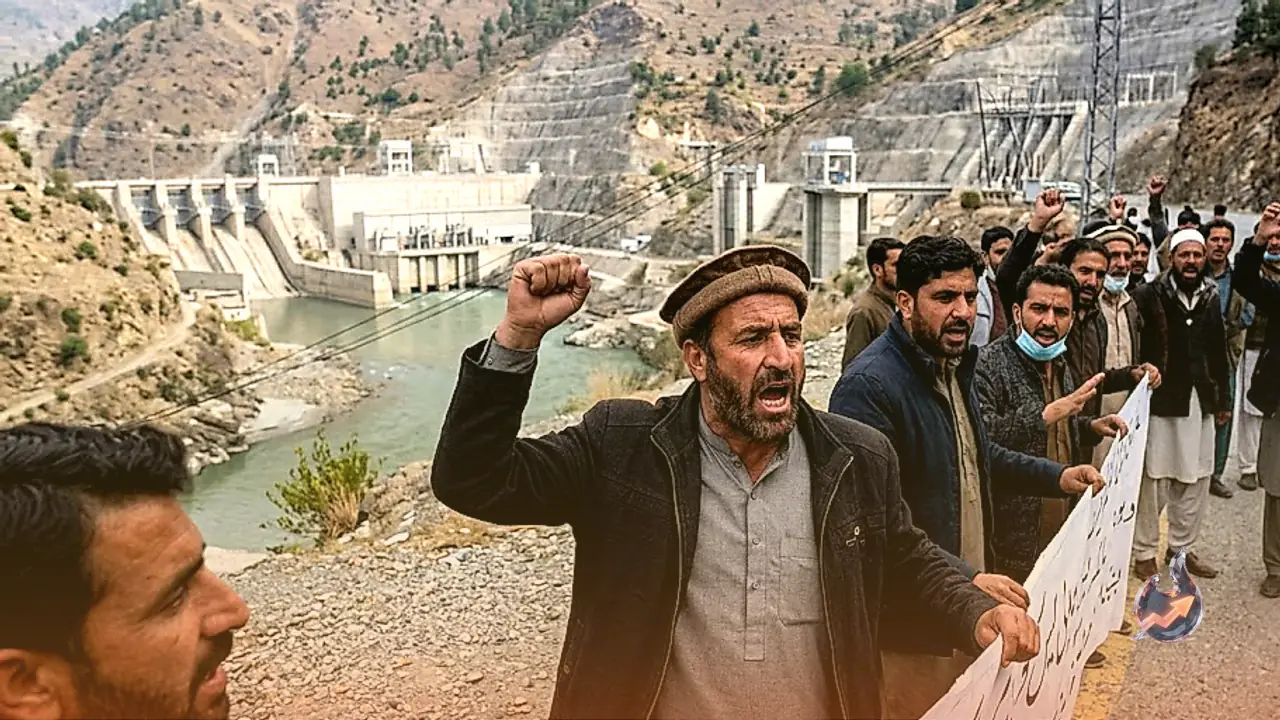
Baloch separatist figures maintain that their population has endured persistent political repression and human rights grievances over an extended period. To mark the August 11 date, which they tie to historical claims of sovereignty, members of the Baloch diaspora across multiple countries shared imagery and video footage of organized commemorations online.
Outlining the framework for a future sovereign state, Mir Yar Baloch stated that an independent Republic of Balochistan would establish its own administrative institutions. The proposed governance structure includes an independent government, national currency, passport system, tailored foreign policy, defense apparatus, and overseas diplomatic missions. He further noted that a formal constitution for the proposed nation has already been drafted to govern its future functions.
Islamabad's Counter-Position and Diplomatic Realities
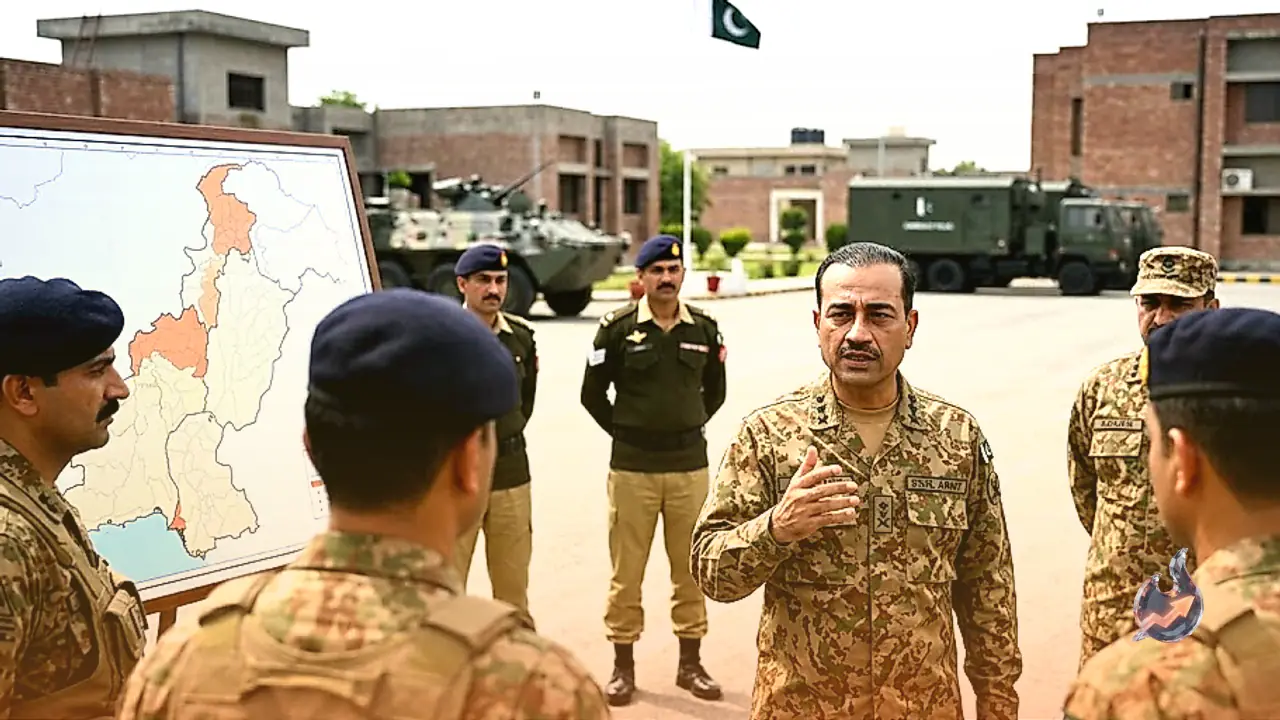
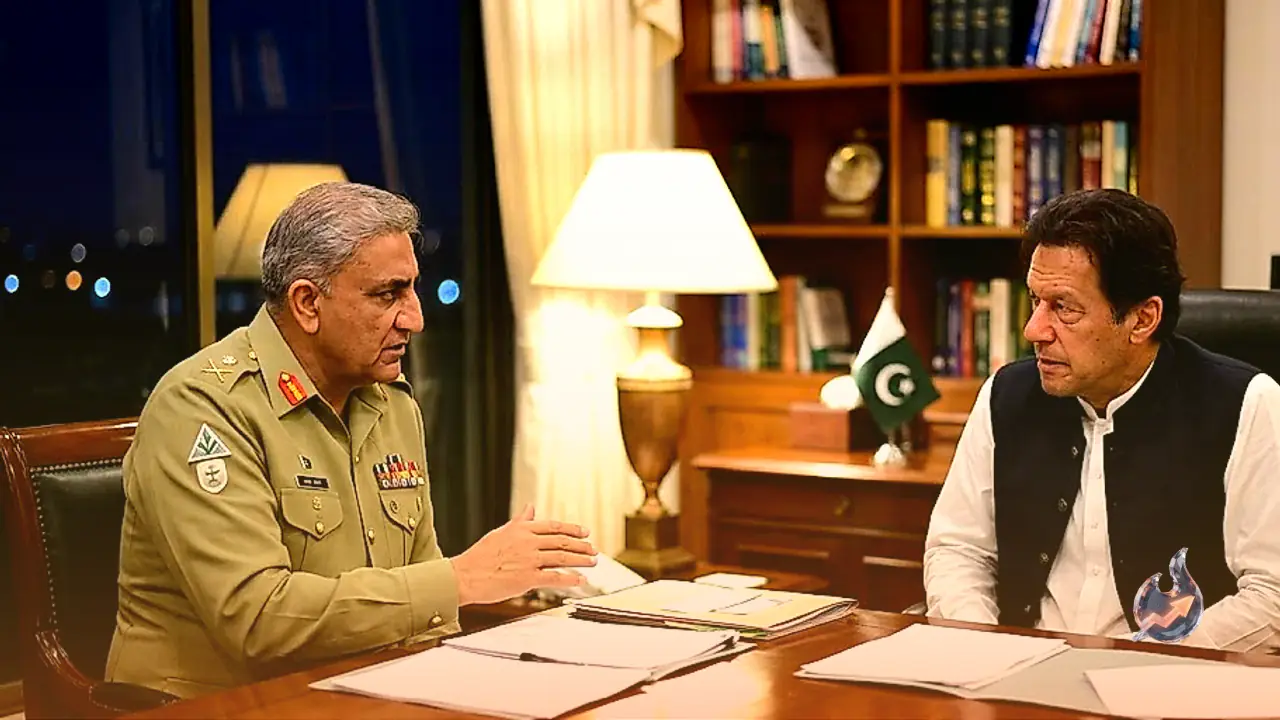
The government of Pakistan strongly rejects all claims regarding Baloch independence, maintaining that Balochistan remains an integral and inseparable territory of the country. Authorities in Islamabad classify armed Baloch separatist groups as illegal security threats that undermine national stability and territorial integrity.
International legal experts note a fundamental distinction between a unilateral declaration of independence by a regional movement and formal recognition as a sovereign state by the international community. Despite the assertions made by Baloch representatives regarding a sovereign republic, no foreign government or international body has granted official recognition to Balochistan. Consequently, the movement's declaration remains a political claim. This revival of the Balochistan issue comes as Pakistan manages ongoing challenges related to internal security, political instability, and broader regional friction, leaving the future trajectory of international diplomatic support uncertain.