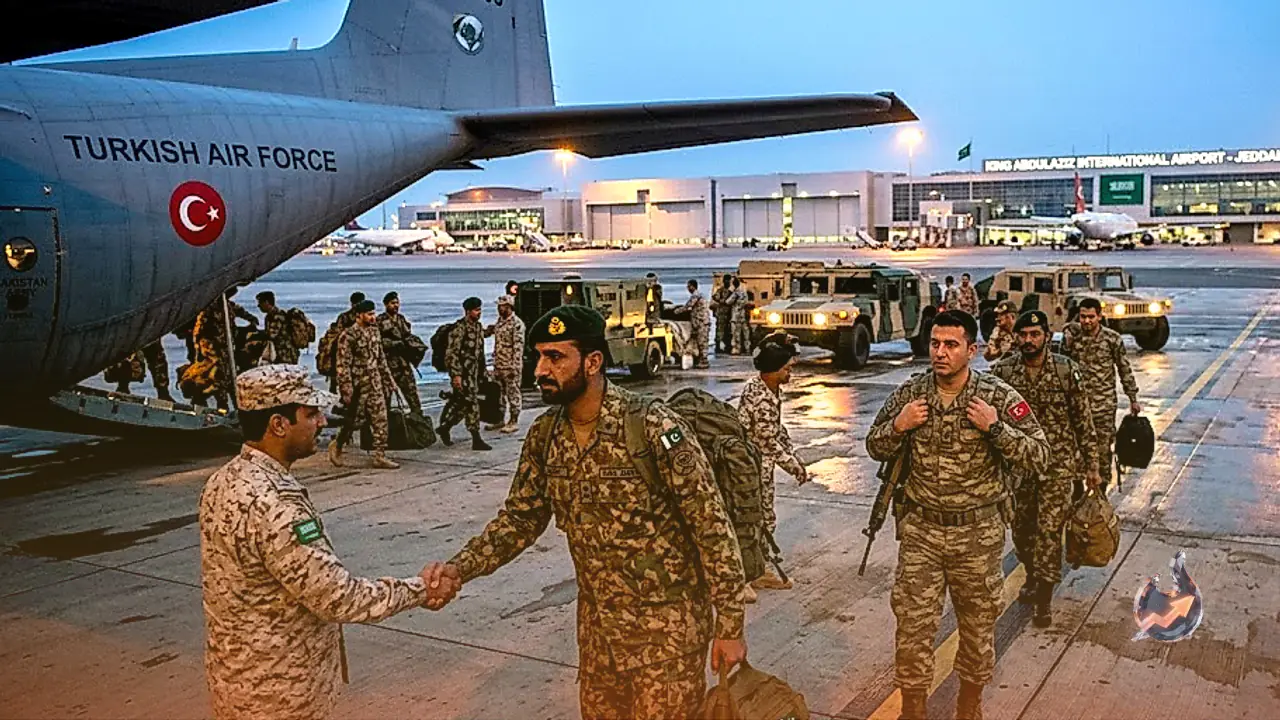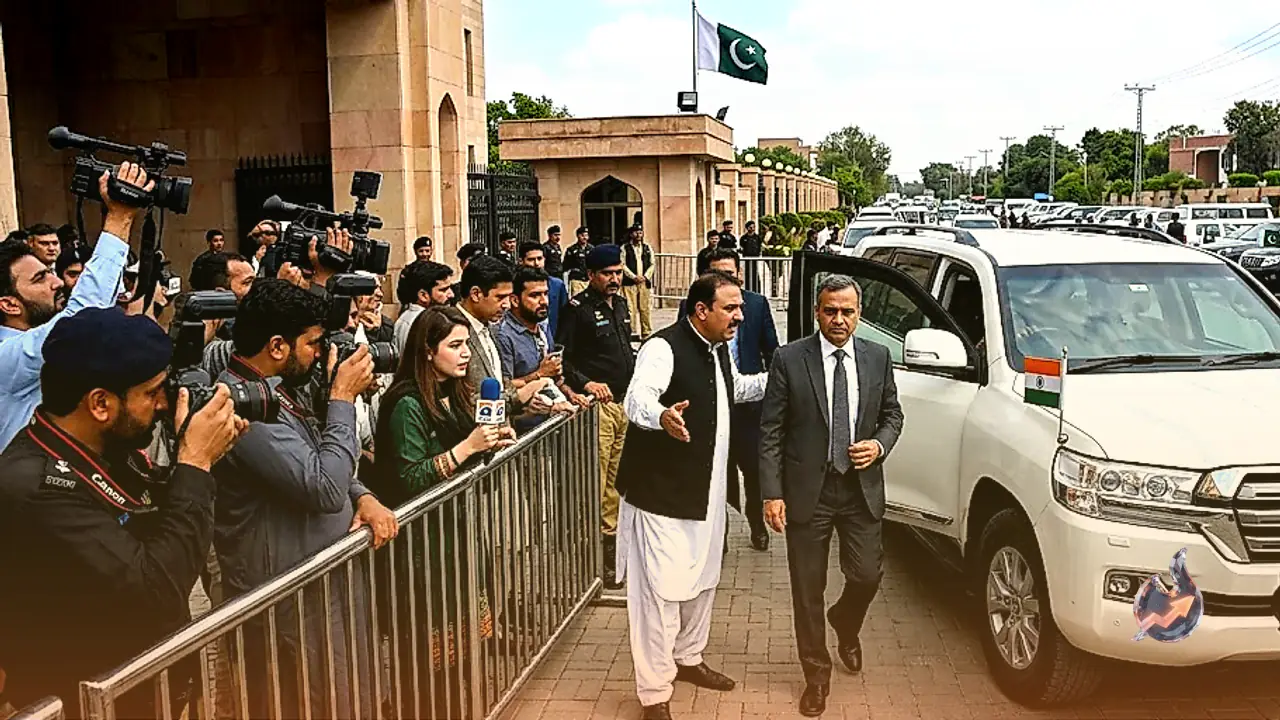























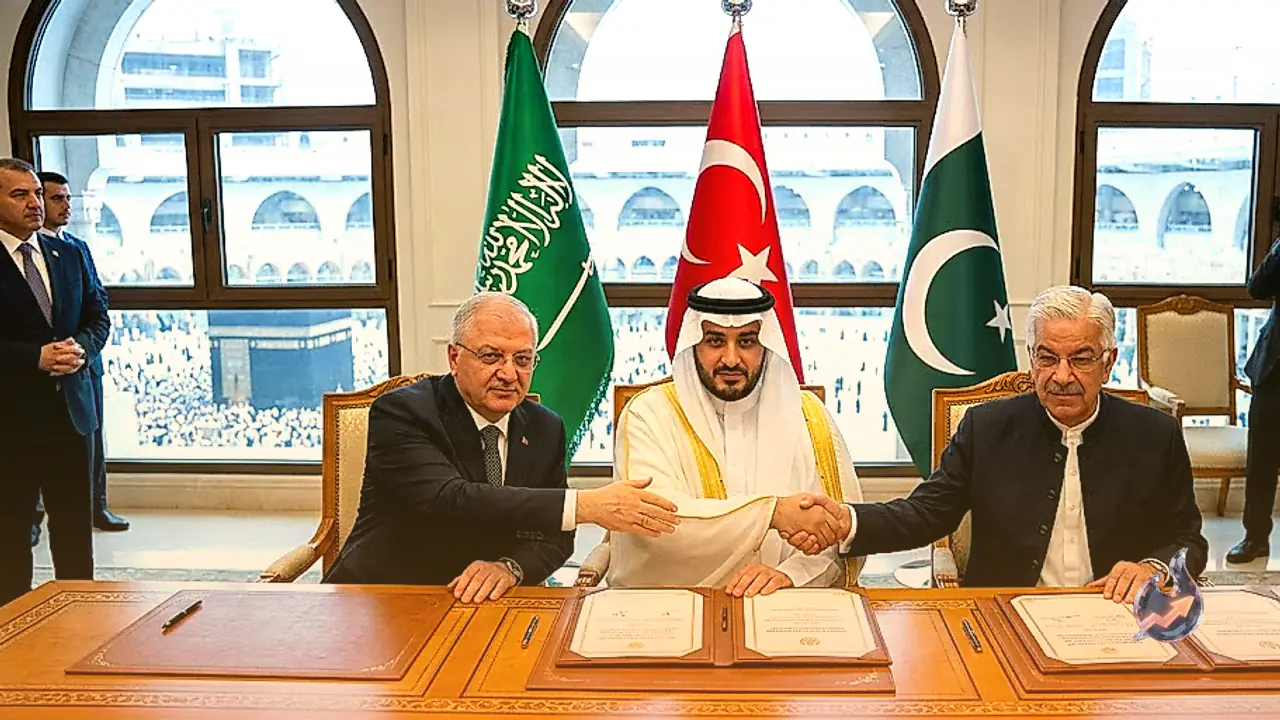

A major strategic development unfolded in Mecca on Friday as top leadership from Pakistan, Saudi Arabia, and Turkey gathered at Al-Safa Palace to sign a trilateral joint defense agreement. Pakistani Prime Minister Shehbaz Sharif, Saudi Crown Prince Mohammed bin Salman, and Turkish President Recep Tayyip Erdogan formally authorized the Makkah Joint Defense Agreement. This pact functions as an expansion of the existing strategic mutual defense framework signed between Pakistan and Saudi Arabia back in September 2025. However, the move has instantly sparked political debate inside Pakistan regarding why such a monumental national security decision was finalized without prior parliamentary debate or public consultation.
Collective Security and the NATO Article 5 Blueprint
The core clause of the treaty closely mirrors NATO Article 5. Under this mechanism, an armed aggression against any one of the three signatory nations will be viewed as an attack against all three. The explicit objective is to build a credible collective deterrent and deepen military cooperation across all operational spheres. Commentators have increasingly referred to the alliance as an Islamic NATO due to the complementary strengths of the member states. Pakistan brings nuclear weapons capability and extensive military experience, Saudi Arabia contributes substantial financial resources, geopolitical leverage, and its status as the custodian of Islam's holiest sites, while Turkey provides NATO's second-largest standing army and a sophisticated domestic defense industry.
Political Support and Practical Challenges in Pakistan
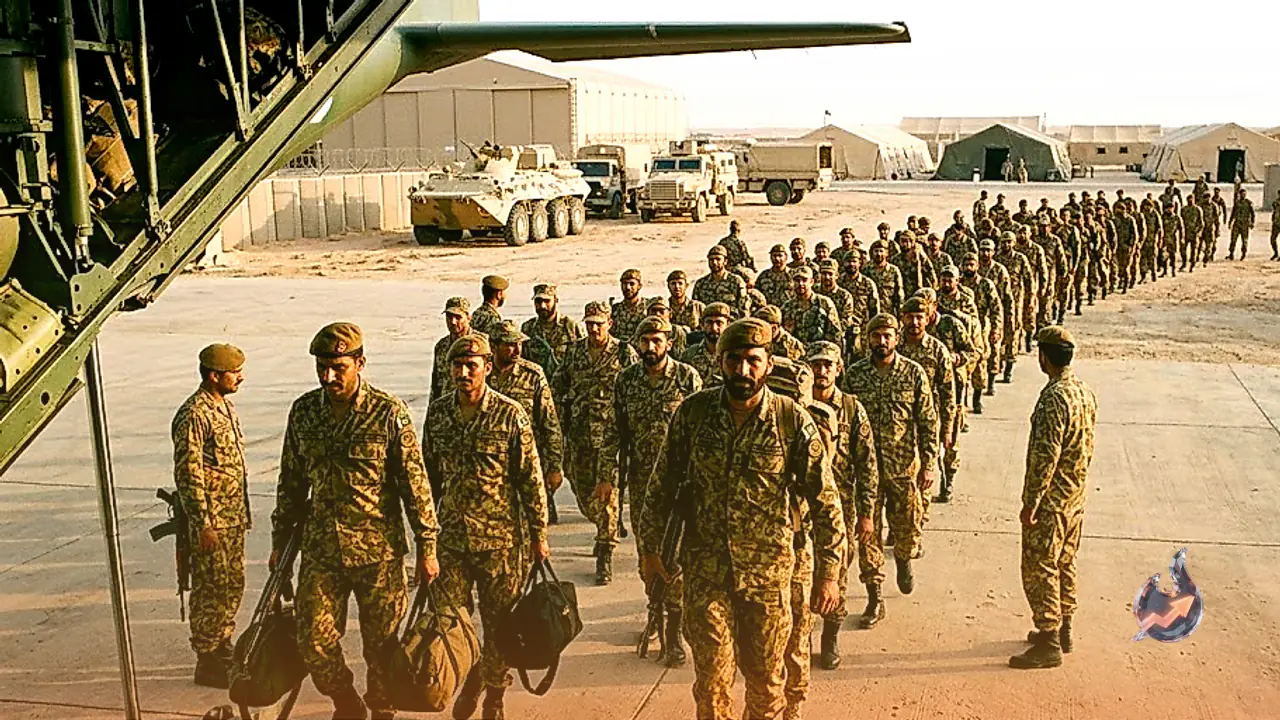
Within Pakistani political circles, the agreement drew widespread approval from various factions. Bilawal Bhutto Zardari, Yousaf Raza Gillani, and Mushahid Hussain Sayed welcomed the signing as a strategic victory. Information Minister Attaullah Tarar described it as a historic landmark, and the Organisation of Islamic Cooperation (OIC) voiced full support. Despite the official celebration, defense analysts point out severe operational hurdles. Integrating military hardware across the three forces presents an immediate challenge because Pakistan operates a mix of Chinese and American systems, whereas Turkey adheres strictly to NATO operational standards. Establishing a unified command structure, joint headquarters, or pre-assigned troop deployments remains entirely undefined at this stage.
Geopolitical Distortions and Diplomatic Balancing
Regional observers warn that the agreement could complicate diplomatic balances across the Middle East and South Asia. Pakistan's traditional posture as a mediator in US-Iran friction points may become strained under a rigid mutual defense commitment. Furthermore, analysts note a visible disconnect between Pakistan's domestic political rhetoric concerning perceived threats from India and Israel versus practical regional realpolitik. Critics argue the pact implicitly targets regional rivals such as Iran, despite explicit official denials. Managing economic commitments associated with collective defense while maintaining balanced ties with traditional Western allies like the United States adds another layer of complexity for Islamabad.
Official Clarifications and Potential Expansion to Egypt
The joint declaration issued after the signing ceremony emphasized that the pact rests on historic ties, Islamic solidarity, and shared strategic priorities. Saudi officials clarified that the agreement does not construct a sectarian bloc or military axis, nor is it linked to nuclear proliferation or arms races. Turkish President Recep Tayyip Erdogan stressed that the alliance targets no foreign state and remains accessible to other friendly nations committed to regional stability. Adding to this perspective, Turkish Foreign Minister Hakan Fidan stated that Egypt serves as a natural partner and could enter the treaty during its next expansion phase once remaining technical procedures are finalized.