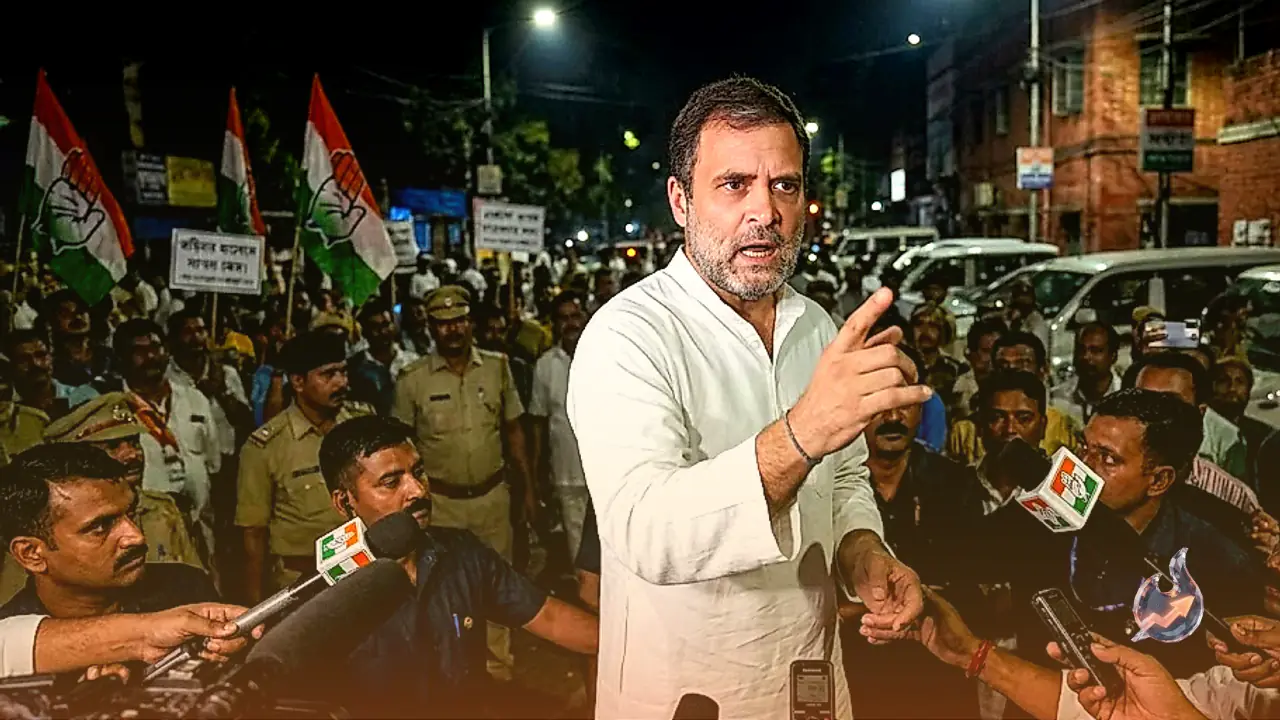
























A political and administrative standoff has emerged in Kolkata following verbal instructions issued by the local police asking mosque management committees to remove microphones and loudspeakers. Indian Secular Front (ISF) MLA Naushad Siddiqui has strongly opposed this move, insisting that the administration must issue a formal written order or notification before initiating any such enforcement. Highlighting that unwritten directives lack legal standing, Siddiqui has lodged an official complaint with the State Director General of Police (DGP) via email and declared his readiness to challenge the police actions in court.
Demand for Written Notifications Over Verbal Directives
Elaborating on the situation, Naushad Siddiqui shared that he has been receiving a stream of calls from various neighborhoods and mosque representatives across the city. According to these reports, local police stations have been summoning mosque committees and asking them to dismantle their public address systems. However, when the committee members requested an official government notification or written directive specifying the regulatory grounds, the police failed to produce any documented authorization. The officers reportedly stated that because the direction had been verbally issued, it must be complied with unconditionally. Siddiqui maintained that if the authorities genuinely intend to enforce loudspeaker removal, they should follow due procedure by issuing written orders or carry out standard enforcement themselves under the law.
Planned Legal Action and Appeal for Public Restraint
In response to these verbal notices, the ISF legislator confirmed that he has emailed a formal grievance to the State Director General of Police (DGP) seeking immediate intervention. Furthermore, Siddiqui announced that his party is preparing to move the Calcutta High Court if the administrative machinery continues to press for compliance without providing written documentation. Amid the rising concern, he also appealed to citizens and local management committees to refrain from any direct confrontation with administrative personnel, emphasizing that all responses must remain strictly peaceful and legal.
Decibel Compliance and Environmental Legislation Standards
Addressing the legal context of noise control, Naushad Siddiqui noted that matters concerning sound pollution have previously been examined by both the Calcutta High Court and the Supreme Court. The Pollution Control Board has established clear decibel thresholds tailored specifically for industrial, residential, commercial, and silence zones. Siddiqui asserted that the vast majority of mosques operate their loudspeakers well within these legally mandated decibel limits. He emphasized that if any specific institution breaches the prescribed noise thresholds, statutory enforcement can be taken under the provisions of the Environment Protection Act, 1986, rather than resorting to informal police pressure.
Administrative Shift and Local Governance Context
Following the formation of the Bharatiya Janata Party (BJP) government in West Bengal, several operational and administrative changes have been observed across state departments. Local administrative bodies have been attempting to reframe public management routines in their respective jurisdictions. The current push asking local populations to remove loudspeakers from mosques stems from informal police communications, while formal written guidelines from the state administration or police department remain pending.