























Opposition parties are preparing to introduce an impeachment motion in both Houses of Parliament against Chief Election Commissioner Gyanesh Kumar. The Congress has initiated formal consultations with various partner parties across the political spectrum to coordinate the constitutional move. Notice for the proposed motion is expected to be submitted to Parliament within the next two weeks. Parties aligned with the opposition alliance have commenced preliminary procedural preparations to build joint consensus on the matter.
Voter Roll Revision and Friction Within the Commission
This political escalation follows growing friction between the opposition and the poll watchdog over institutional decision-making and the Special Intensive Revision (SIR) of electoral rolls. Information emerging from inside the regulatory body indicated that Election Commissioners Sukhbir Singh Sandhu and Vivek Joshi had formally recorded reservations regarding certain decisions and procedural steps taken by the commission over the past 10 months. Objections notably addressed the protocols governing the addition and deletion of voter names during nationwide voter roll updates.
Prior Notice and Legislative History
Citing these institutional divergences, opposition parties have intensified demands for parliamentary accountability regarding Gyanesh Kumar. This is not the first attempt by legislators to pursue his removal. In April 2026, members of Parliament in the Rajya Sabha submitted a formal notice seeking his removal from office. That earlier legislative notice reportedly carried the signatures of 73 parliamentarians, marking an earlier phase of institutional contestation over the leadership of the commission.
Procedural Requirements Across Both Houses
The Congress is now coordinating across the broader opposition bench to present a fresh motion simultaneously in both the Lok Sabha and the Rajya Sabha. Mobilizing the necessary numbers to successfully pass such a measure in Parliament entails a rigorous and demanding legislative threshold. The constitutional mechanism for removing a Chief Election Commissioner is governed strictly under Article 324(5) of the Constitution of India, which stipulates an exacting parliamentary procedure equivalent to the removal of superior court judges.
Election Commission Response to Deliberative Differences
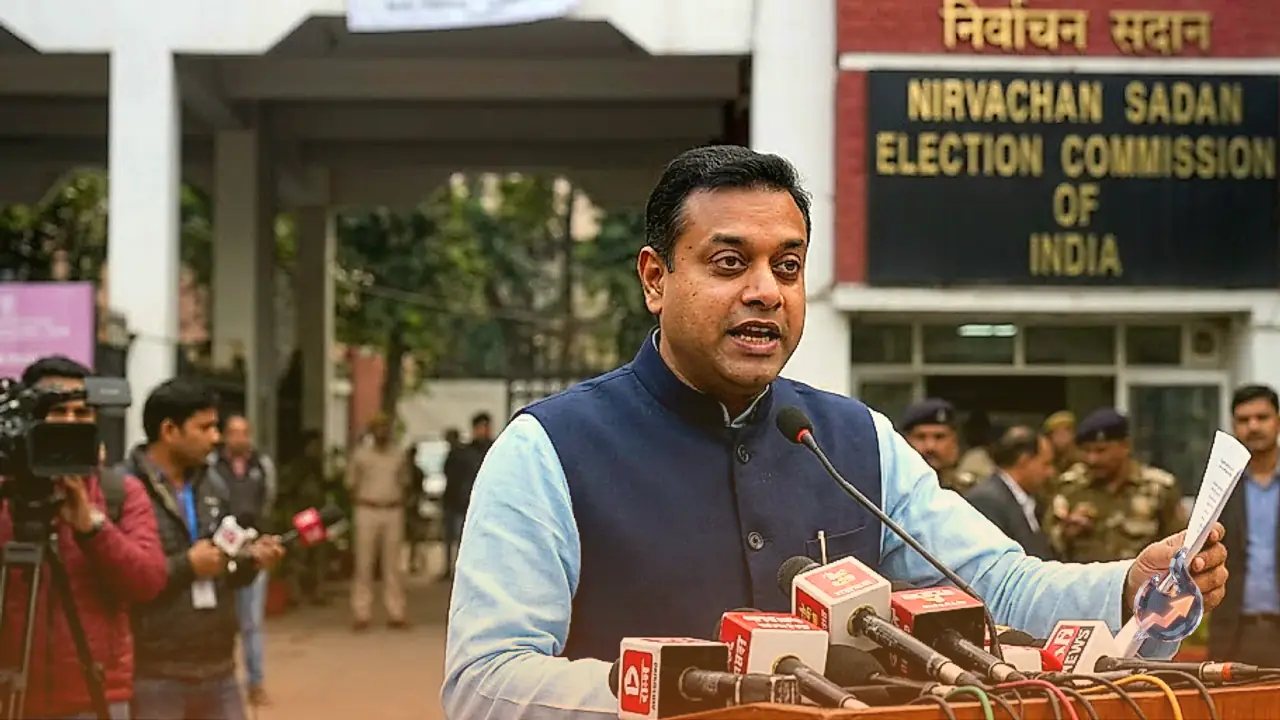
Addressing scrutiny surrounding internal deliberations and the nationwide voter list revisions, the Election Commission maintained that internal disagreements do not reflect procedural irregularity. The poll body stated that differing viewpoints during consultations constitute a normal and standard aspect of collective institutional decision-making. The commission maintained that all administrative resolutions and electoral determinations remain entirely compliant with established statutory frameworks and established procedures.