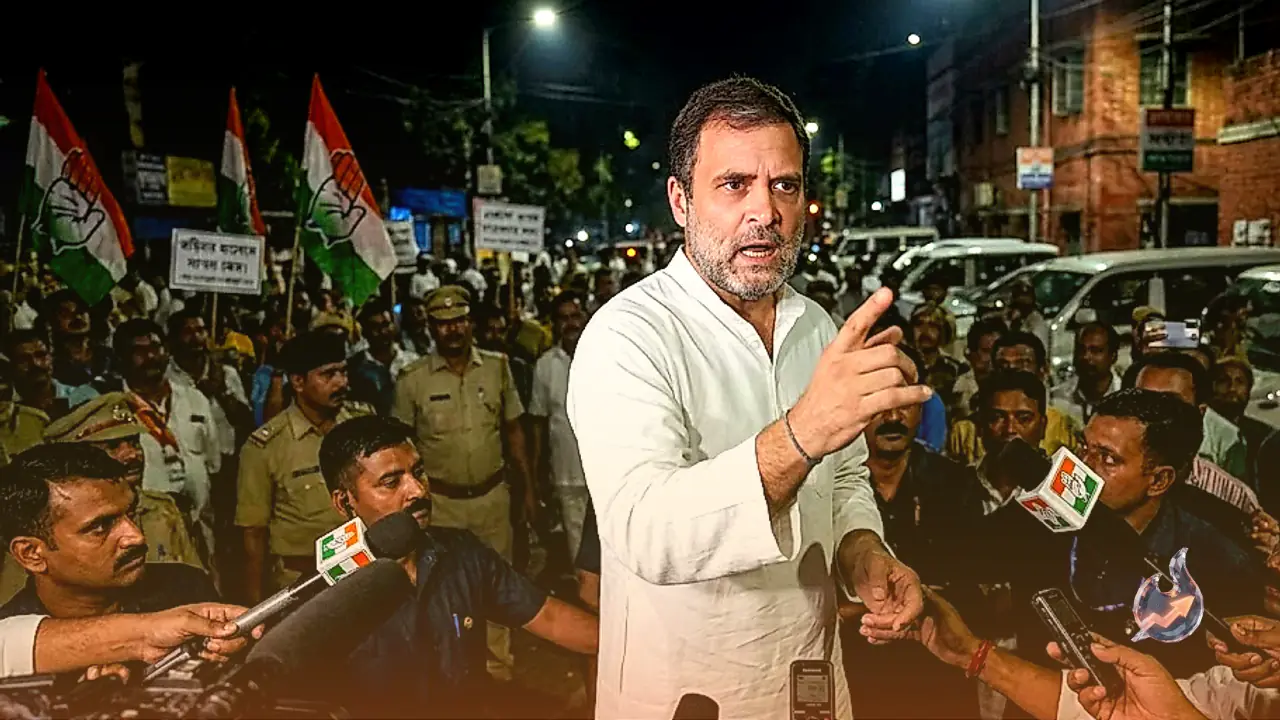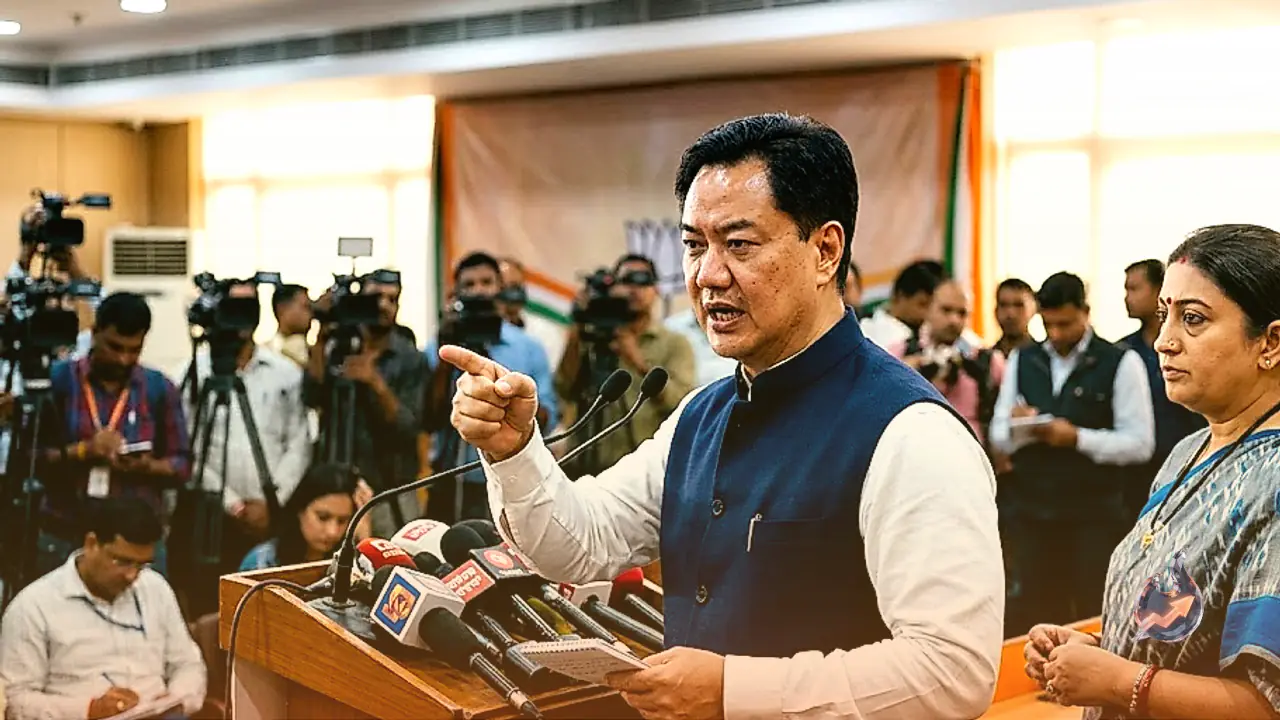





















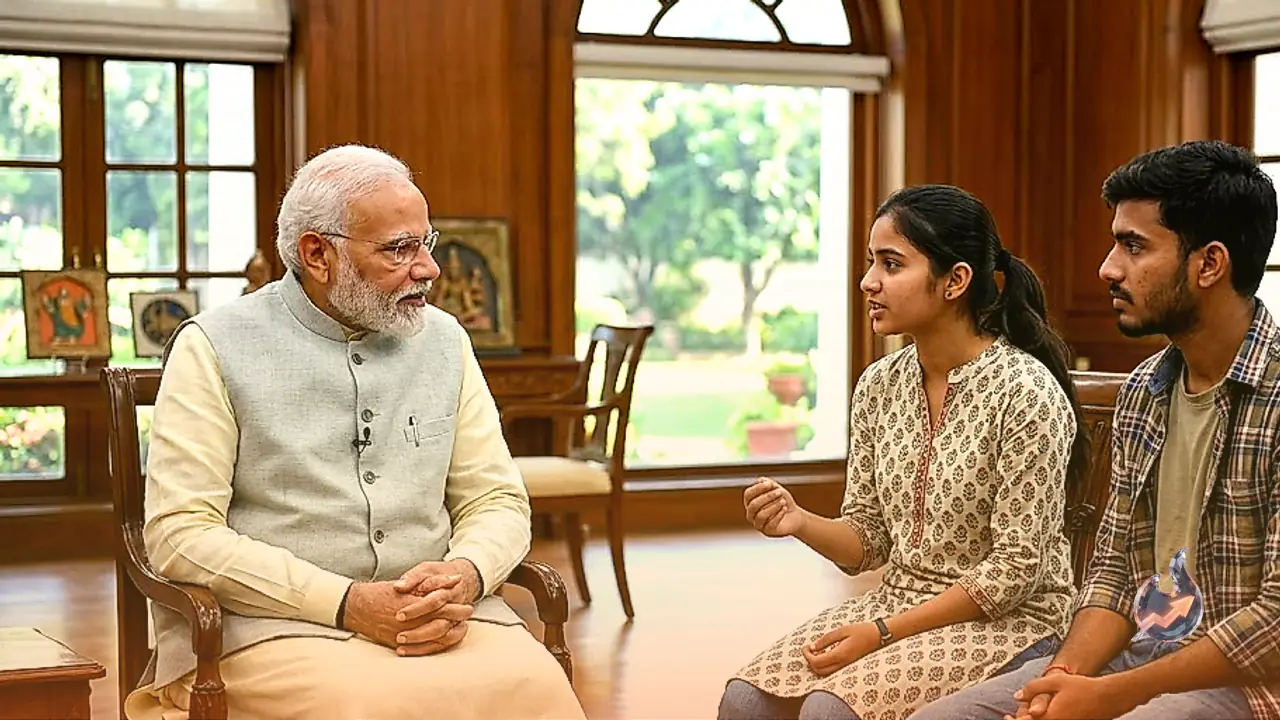

The controversy surrounding the inappropriate language used by certain young participants during the recent Gen-Z protest at Delhi's Jantar Mantar appears to have reached a conclusion following a video message by the Prime Minister. In his address, the Prime Minister announced his decision to forgive the young men and women who had made objectionable personal remarks against him during the demonstration. This gesture has been viewed as a sign of democratic maturity. Beyond the immediate incident, the development brings to the fore India's long-standing tradition where political differences, no matter how severe, are ultimately addressed through reconciliation, amnesty, and integration rather than perpetual conflict.
Democratic Decorum and the Role of Amnesty
In any healthy democracy, abusive language, objectionable slogans, and personal vitriol are widely considered unacceptable. Following the Jantar Mantar demonstration, even observers and citizens who were sympathetic to the students' cause strongly condemned the disrespectful rhetoric directed at the Prime Minister. Critics argued that such conduct undermines the dignity of public debate. Against this backdrop, the decision to forgive the young protesters aligns with established Indian democratic norms. Many of those who used objectionable phrases are quite young and may not have fully grasped the political gravity of their actions. Political commentators point out that granting general amnesty to agitators is not an unprecedented event in the nation's political history.
From Armed Rebellion to Mainstream Integration
The history of the Indian Republic demonstrates a recurring willingness to accommodate former adversaries who choose to return to the democratic framework. During major political movements and armed insurgencies, the state has frequently offered amnesty as part of negotiated settlements. This approach operates on the belief that individuals or groups willing to renounce violence deserve a second chance. A clear example is that of Mizo leader Laldenga, who once led an armed rebellion against the Indian state. His armed outfit, the Mizo National Army (MNA), received weapons, funding, and training from China and Pakistan, and Laldenga spent significant time operating out of Karachi in close contact with Pakistani authorities. However, under the Rajiv Gandhi administration in 1986, a historic peace accord was signed. Laldenga was integrated into electoral politics and eventually served as the Chief Minister of Mizoram. Today, Mizoram boasts the second-highest literacy rate in India after Kerala.
Peace Accords in Assam, Punjab, and Jammu & Kashmir
A similar approach was witnessed in Assam during the signing of the Assam Accord in August 1985 between the central government and the All Assam Students Union (AASU). The agitation against illegal migration from Bangladesh had seen severe violence, loss of lives, and widespread damage to public property. Nevertheless, post-accord negotiations enabled student leaders to transition into mainstream democratic politics. Prafulla Kumar Mahanta, a prominent face of the agitation, subsequently served as Chief Minister of Assam for two terms. Similarly, historic political accords with the Akalis in Punjab and Sheikh Abdullah in Jammu and Kashmir illustrate how dialogue and political accommodation have consistently been preferred over sustained confrontation.
Rehabilitation Initiatives Under BJP Governments
The framework of integrating former insurgents and dissidents into mainstream society has been pursued across different administrations. During the Vajpayee government in 1998, comprehensive rehabilitation schemes were introduced for militants surrendering in the Northeast. This policy framework was further broadened by the Modi administration in 2018. In December 2023, the central government signed a major peace agreement with a faction of the United Liberation Front of Assam (ULFA). As part of this settlement, the Union Government committed to development initiatives worth ₹1.5 lakh crore for Assam, marking a significant step toward ending decades of regional instability.
Rehabilitation Beyond Politics: The Case of Armed Outlaws
The practice of offering second chances extends beyond political insurgencies to include social outlaws. The case of Phoolan Devi serves as a notable example. Despite facing serious criminal charges, her surrender paved the way for her entry into the democratic process, eventually leading to her election as a Member of Parliament to the Lok Sabha for two terms. Likewise, former dacoits from the Chambal region, including Madho Singh, Mohar Singh, and Malkhan Singh, were provided pathways for rehabilitation following their surrender. These historical precedents highlight a defining feature of the Indian state: a commitment to resolving conflicts through dialogue, forgiveness, and institutional reintegration.