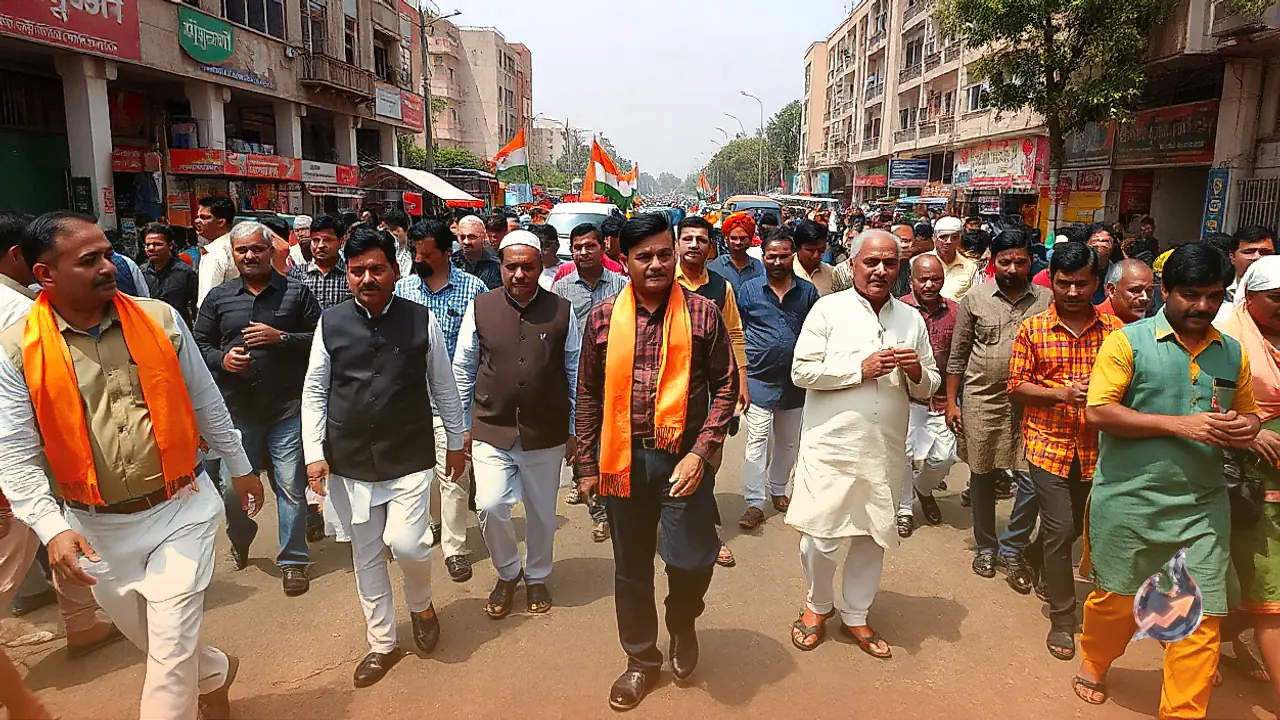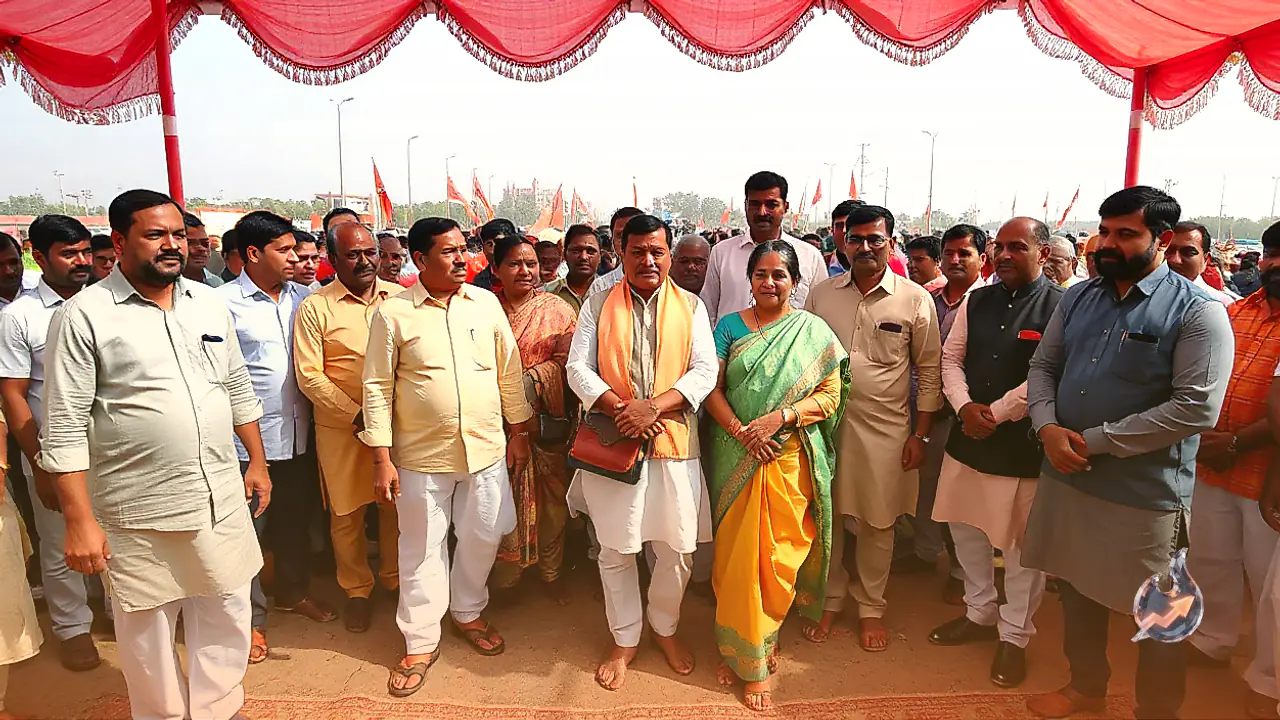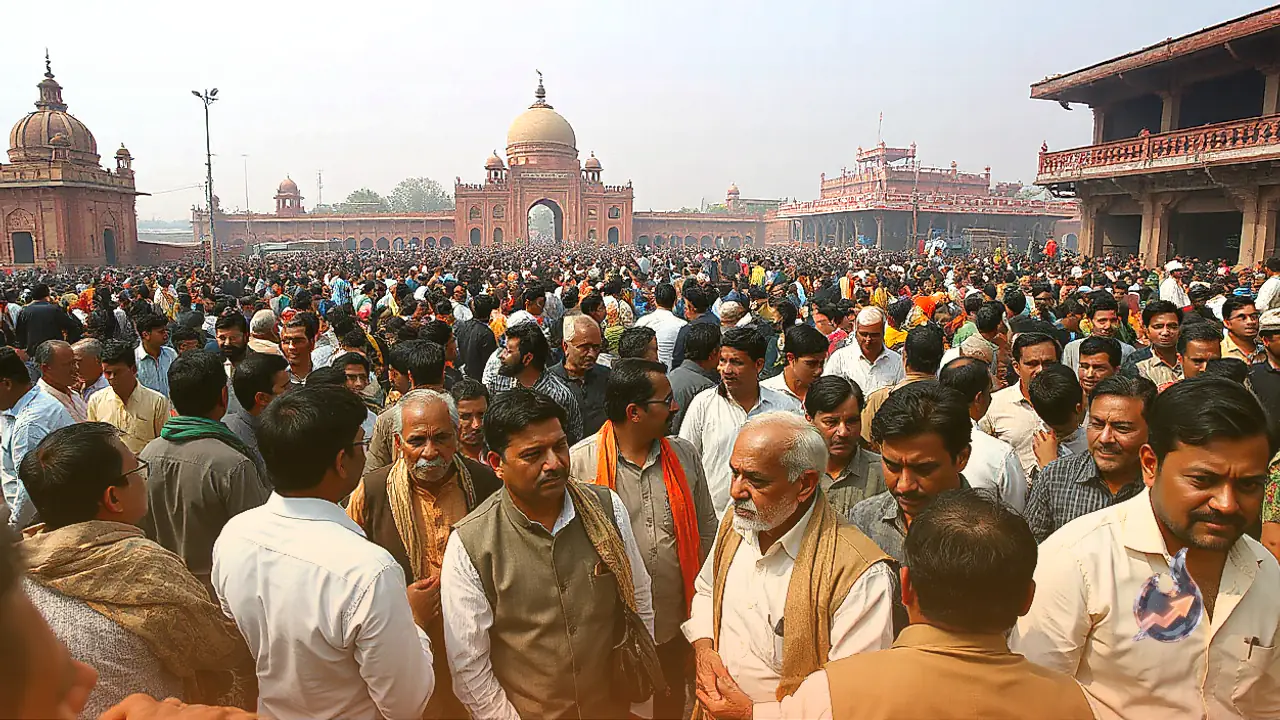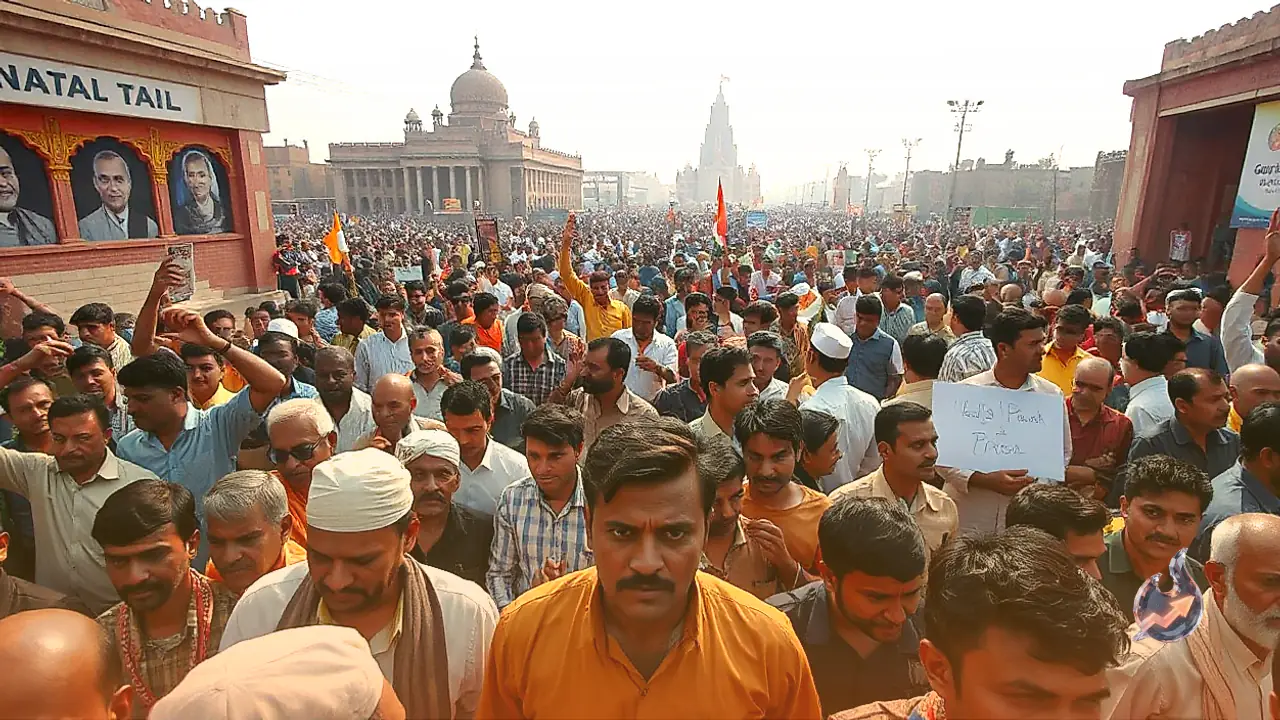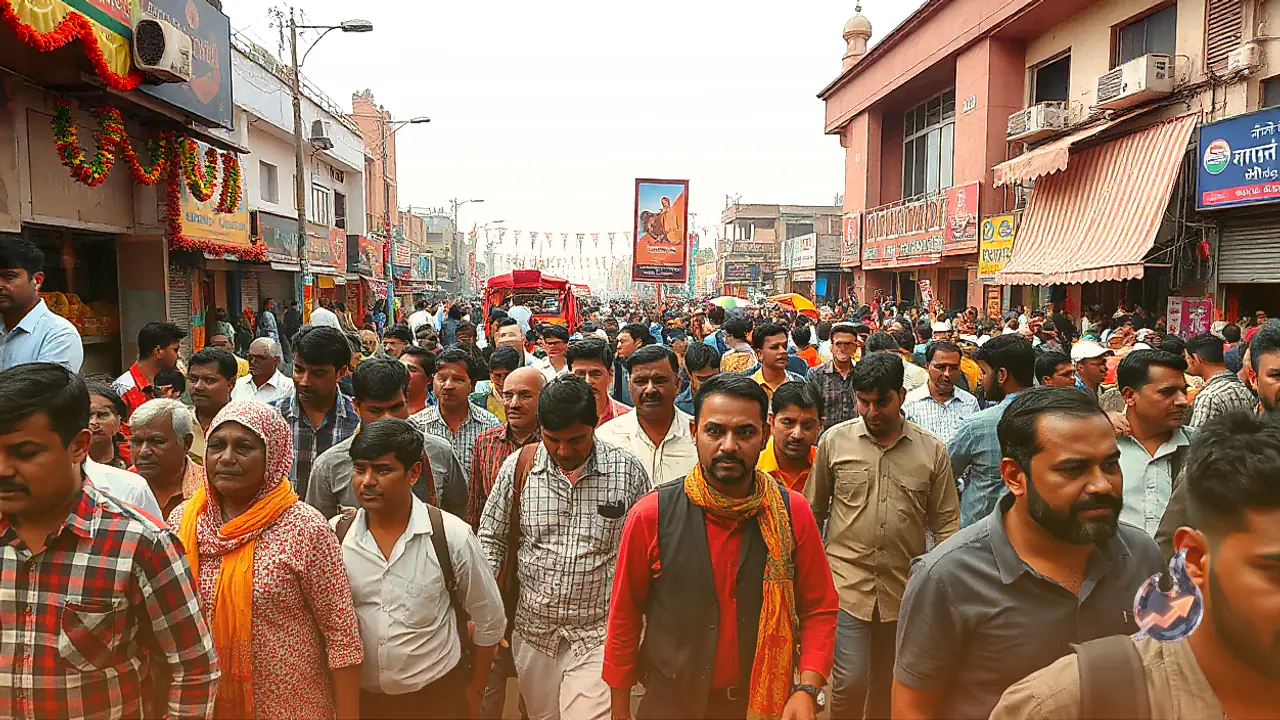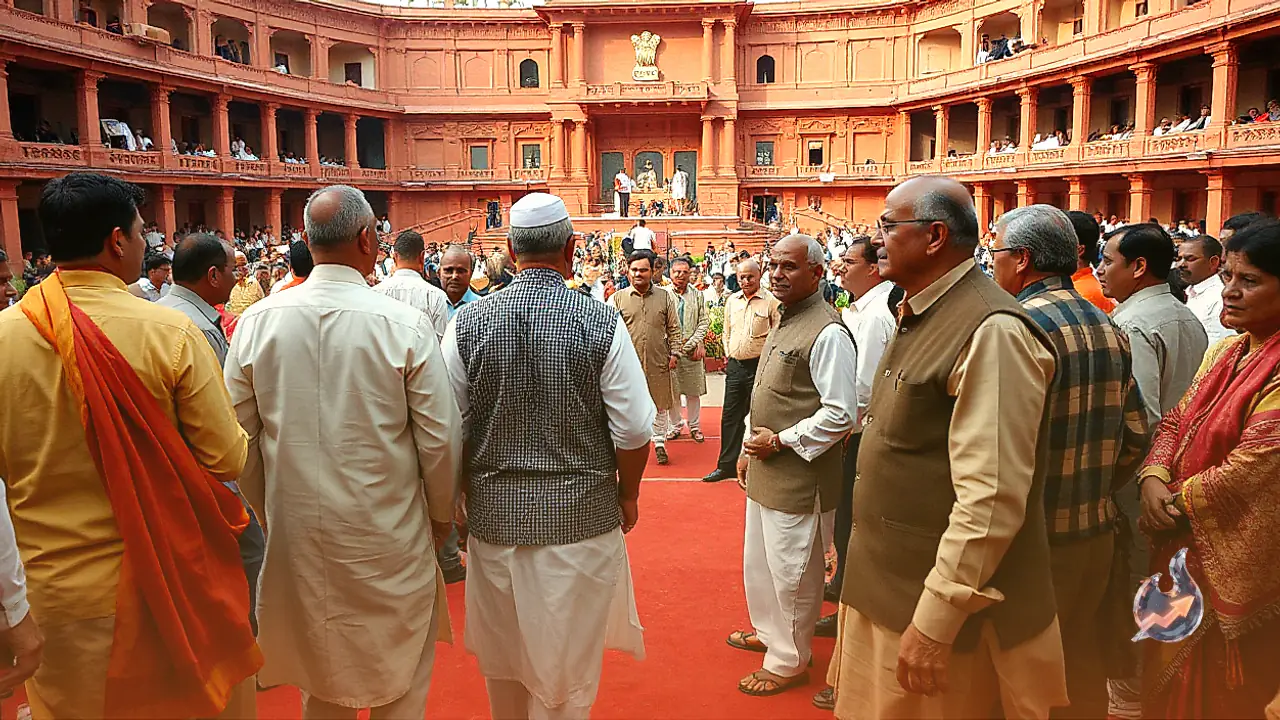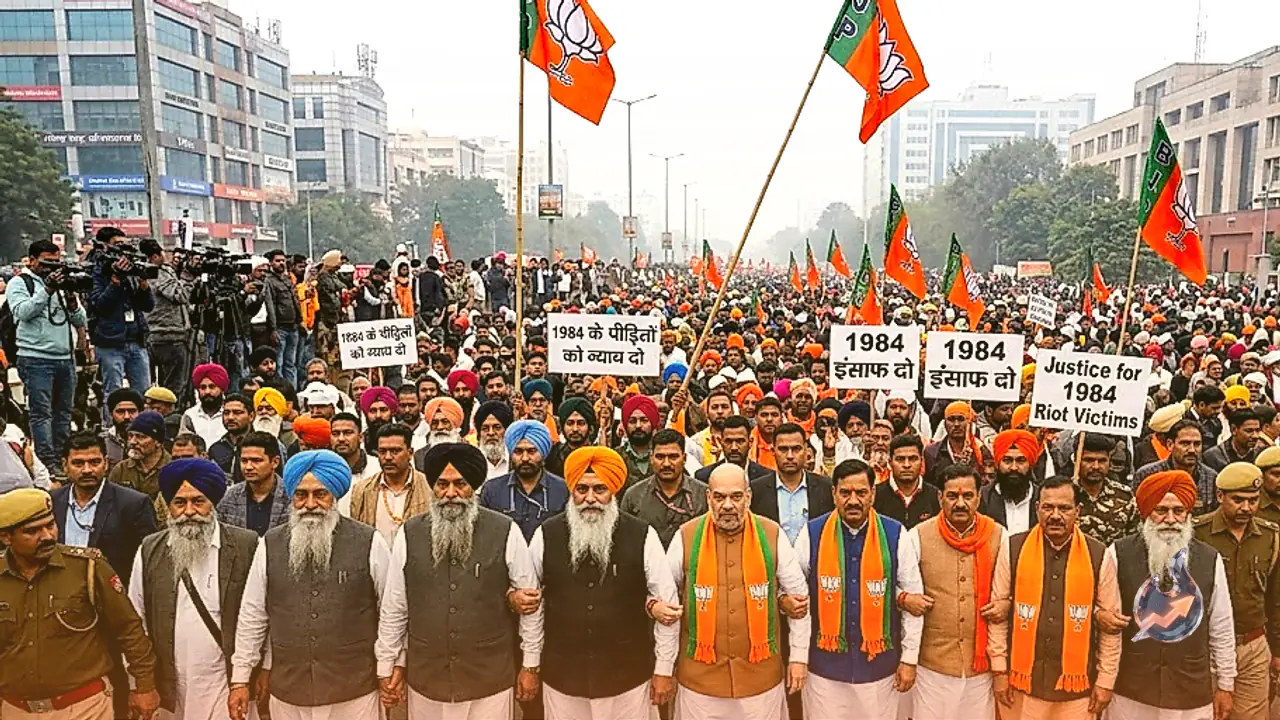















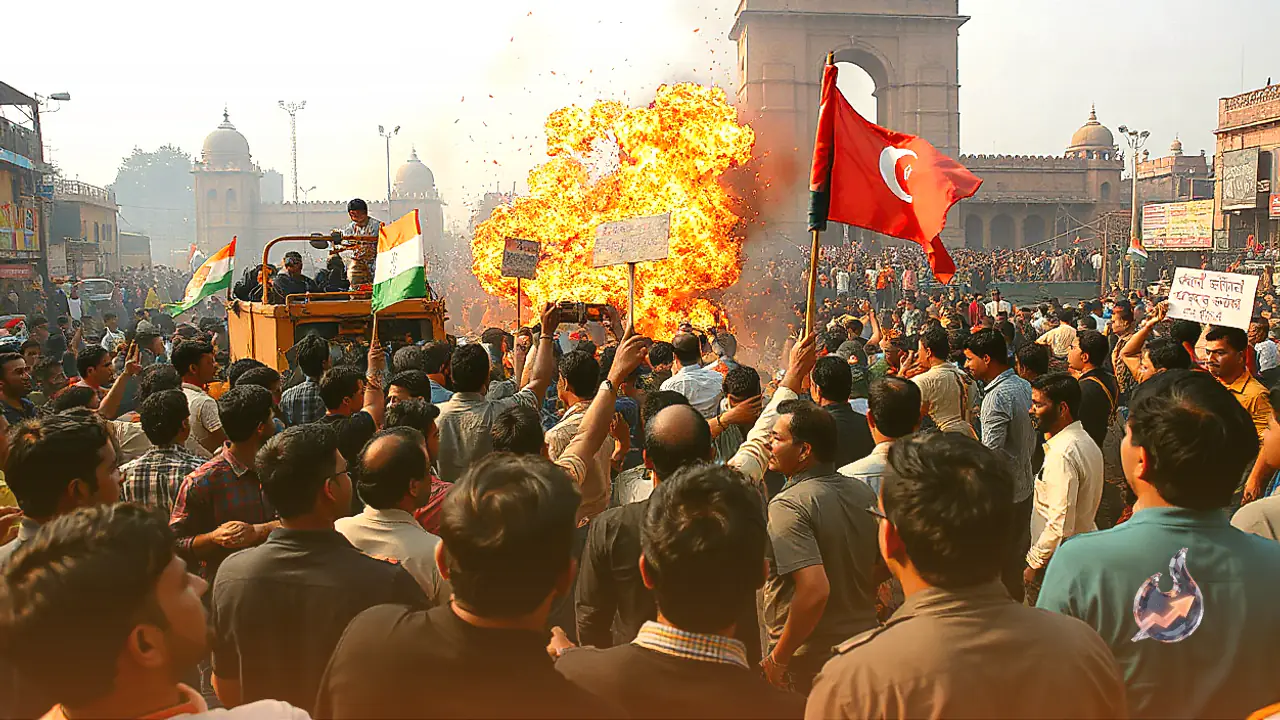

Political confrontation in the national capital reached a boiling point as the joint opposition alliance organized a major gathering at Delhi's historic Ramlila Maidan. The event immediately drew sharp condemnation from the Bharatiya Janata Party, which questioned both the motive and the timing of the large political assembly. While the opposition sought to present a united front, critics characterized the demonstration as a diversionary tactic aimed solely at safeguarding endangered political turf.
Rival Front Dismisses Opposition Gathering
Reacting aggressively to the congregation at Ramlila Ground, the Delhi unit of the party labeled the convention as an opportunistic congregation. It asserted that the entire exercise was designed to spread rumors and provoke public disorder under external influence rather than address genuine civic issues. The leadership claimed that without a constructive roadmap for the nation, the opposition was relying entirely on theatrical protests to remain politically visible.
Leaders Raise Concerns Over Public Order and Disruption
Several prominent leaders escalated the criticism by questioning the impact of such massive mobilizations on ordinary citizens. Union Minister Krishan Pal Gurjar remarked that nobody possesses the right to spread anarchy under the pretext of holding demonstrations. Adding to the offensive, Harsh Malhotra alleged that the Congress was attempting to hold the capital hostage through disruptive tactics. Both leaders maintained that democratic expression should not come at the expense of civilian convenience and civic peace.
Controversy Surrounding the Date and Counter-Strategies
The timing of the demonstration also triggered fierce disagreement across party lines. Leaders pointed out that scheduling the gathering on November 1 appeared deliberately insensitive, given the date's association with the tragic anti-Sikh violence of 1984. To counter the political narrative, the party announced its own protest marches alongside month-long outreach foot marches. This simultaneous counter-campaign is designed to reach the public directly, presenting their development agenda while challenging the opposition's claims on governance.