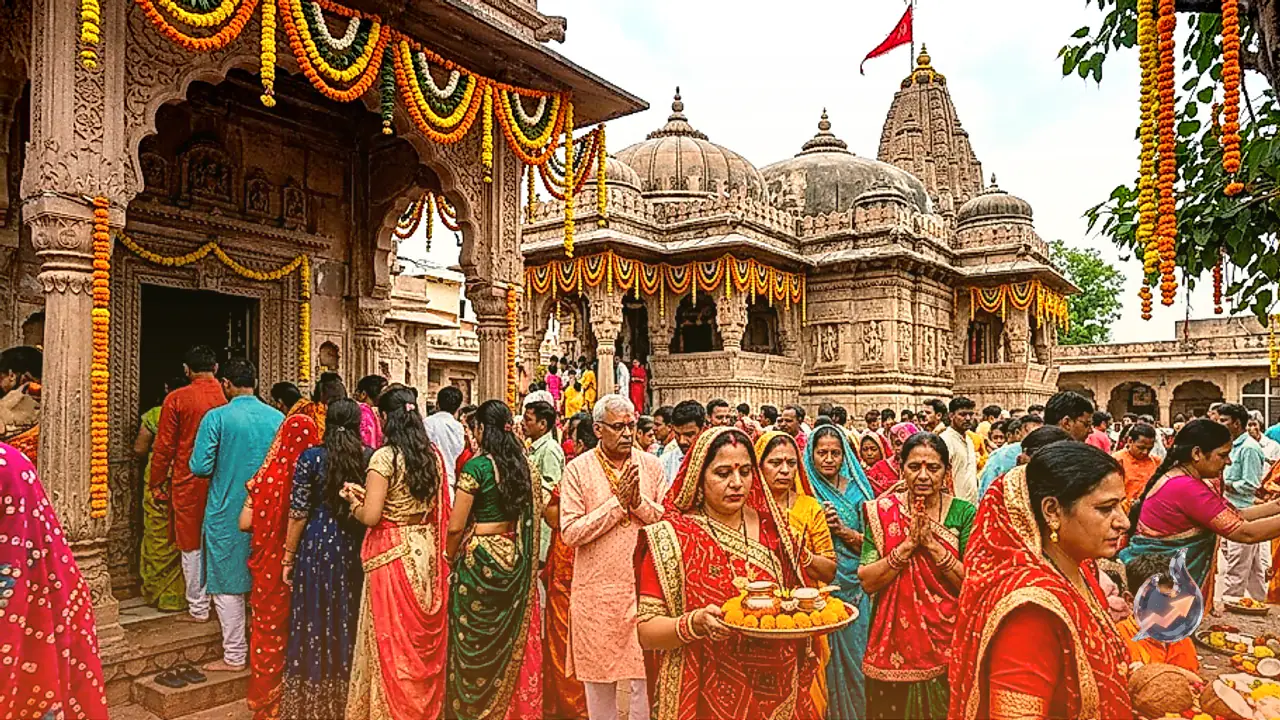

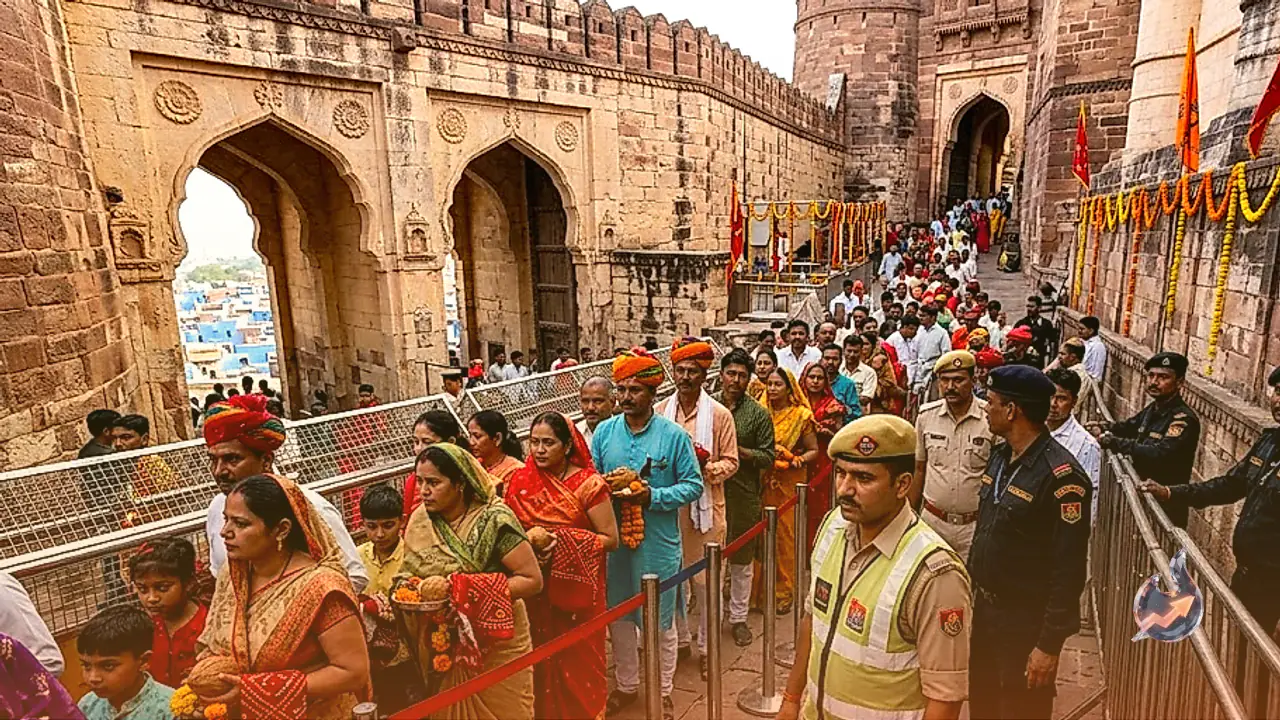

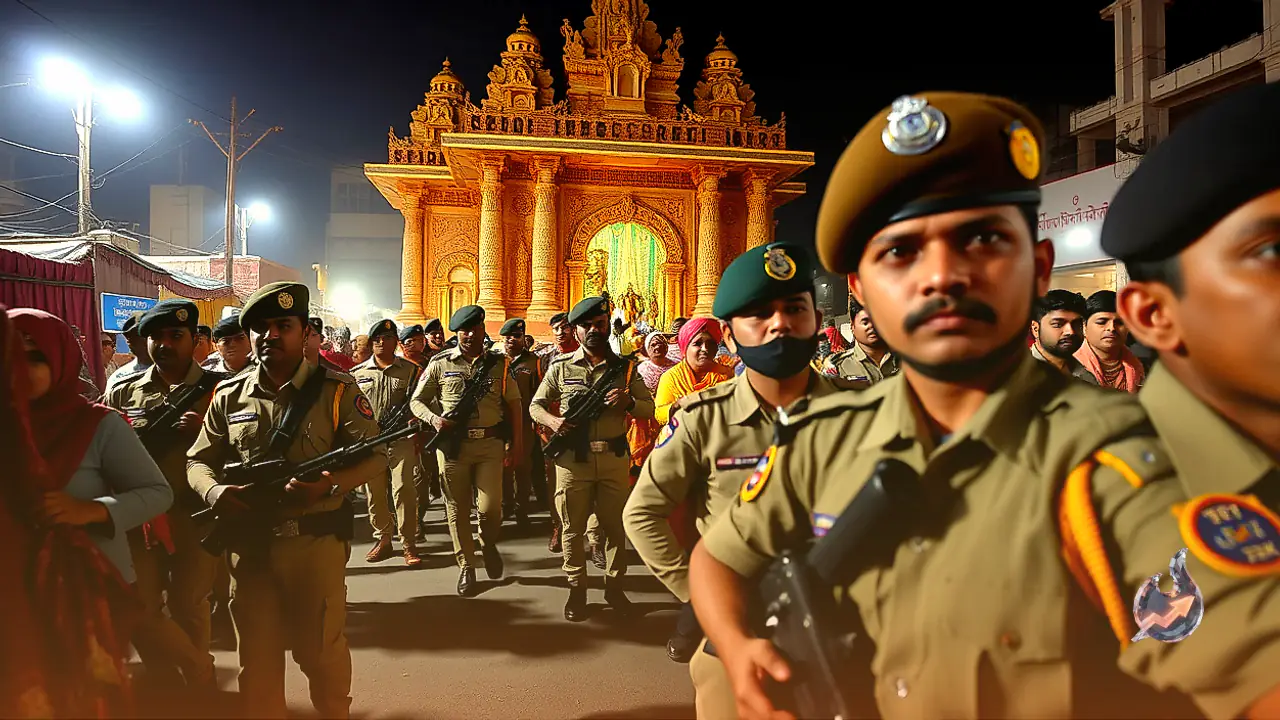















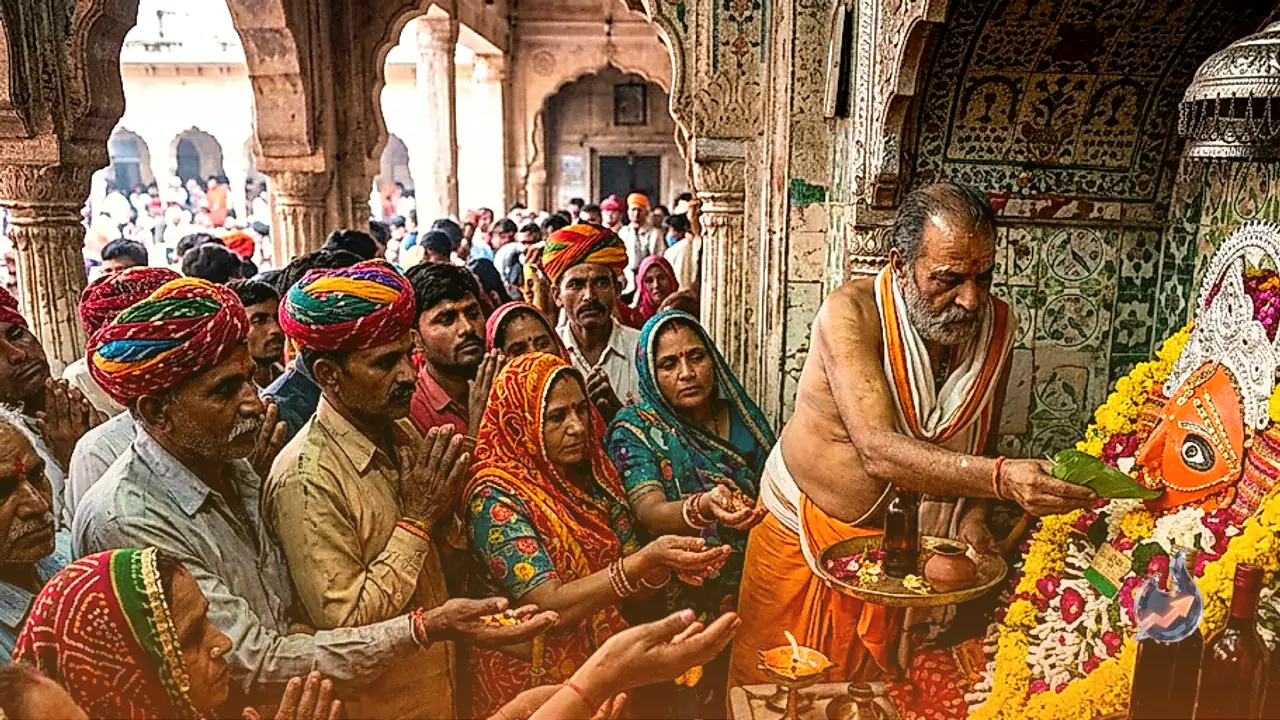

An extraordinary center of spiritual reverence and centuries-old local belief stands in the town of Dooni within Rajasthan's Tonk district. Positioned along the edge of a serene pond, the revered shrine of Doonja Mata enjoys widespread renown across the country for its distinctive practices and inexplicable phenomena. While pilgrims arrive to seek blessings throughout the entire year, the spiritual ambiance transforms noticeably during the nine sacred days of Sharadiya Navratri. Pilgrims from Tonk district as well as diverse regions across Rajasthan converge upon the temple premises, carrying their personal wishes and prayers before the deity. Popular faith firmly holds that no devotee who approaches the threshold of Doonja Mata with genuine devotion ever returns unfulfilled.
The Tradition of Wine Offering and Devotee Conviction
The most striking facet of the Doonja Mata shrine centers on the belief that the deity accepts offerings of liquor. According to the claims of local worshippers and temple priests, the goddess personally partakes of the wine brought to her altar. Whenever an individual's prayers or heartfelt vows come to fruition, they journey back to the sacred court to express gratitude by presenting a bottle of liquor before the sacred idol. Local residents and priests recount that the moment a bottle is brought close to the mouth of the deity's idol, the vessel swiftly begins to empty itself. Crowds of onlookers travel from distant towns and villages just to witness this astonishing sight. To mark the fulfillment of their pledges, grateful worshippers do not limit their gifts to liquor alone; they also present ceremonial robes to adorn the deity and sponsor extensive sawamani feasts.
The Ancient Custom of Seeking Divine Approval Through Paati
Beyond the custom of liquor offerings, the shrine preserves a unique and time-honored practice of asking for divine sanction known locally as 'paati'. The community places absolute trust in this ritual. Whenever a pilgrim seeks clarity or success regarding an important personal endeavor, they submit a formal petition before the deity with deep faith. Receiving the paati is regarded as an infallible guarantee that the proposed task will achieve full completion. In physical terms, the paati consists of a single flower petal descending from the ceremonial robes that decorate the goddess. When a worshipper requests this sign of approval, a pristine sheet of plain paper is positioned directly before the deity through the temple priest. The priest then recites an earnest prayer on behalf of the devotee. If divine favor rests upon the mission, a delicate petal miraculously dislodges from the floral garlands pinned to the deity's attire and falls directly onto the waiting paper. Receiving this petal assures the worshipper that their mission will culminate in total success.
Royal Excavations Failed to Uncover the Source of the Mystery
The enduring enigma surrounding the consumption of liquor at Doonja Mata temple stretches back several centuries rather than being a modern occurrence, having long baffled inquisitive observers. Temple priests narrate that centuries ago, the reigning monarch of the local territory undertook rigorous steps to scrutinize the reality behind the ritual. The king harbored strong doubts, suspecting that a hidden conduit, subterranean pipe, or drainage channel might have been carved inside the stone sculpture to funnel the liquid beneath the earth. To test his hypothesis, the monarch ordered his men to dig deep and extensive trenches all around the temple foundations. For numerous days, thorough digging and systematic inspections continued under royal supervision, yet the ruler and his soldiers failed to uncover the slightest trace of any hidden mechanism. Not a single droplet of liquor was discovered in the excavated soil. Following this exhaustive search, the ruler conceded defeat and accepted the sacred aura of the shrine. Even today, amid the festivities of Sharadiya Navratri, the sanctuary of Doonja Mata stands vibrantly decorated as waves of devotees chant hymns and offer their prayers.