

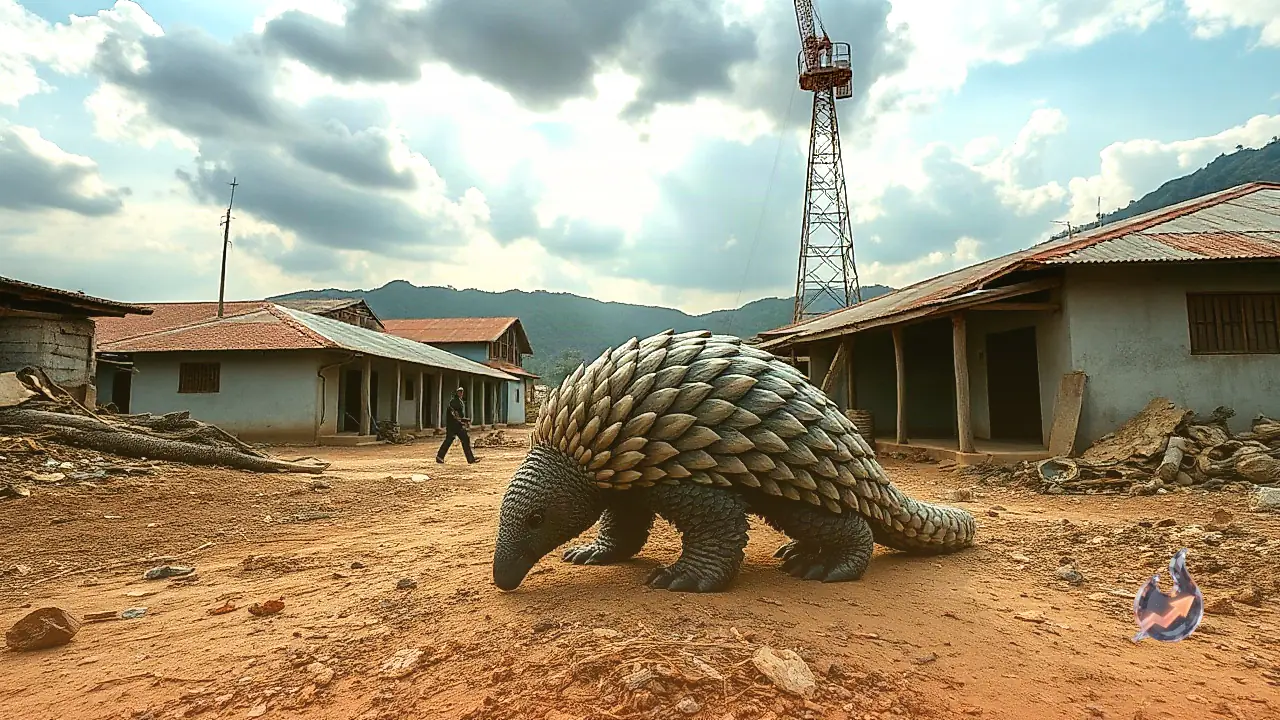





















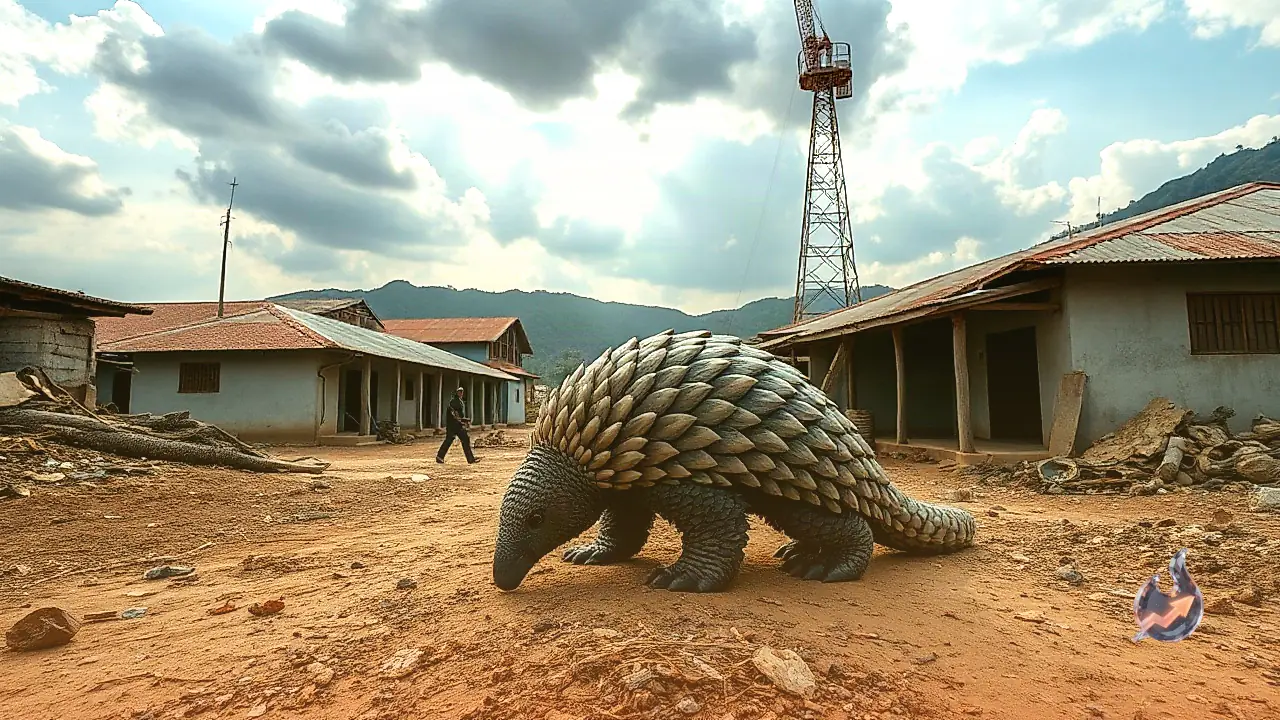

Tension gave way to astonishment in a residential colony of Sojat town, located in Rajasthan's Pali district, when local residents discovered an unusual creature trapped inside a domestic underground water storage tank. Upon closer inspection, the animal turned out to be an endangered Indian pangolin, widely referred to in local Marwari parlance as the ant-eater of Marwar. As word spread through the neighbourhood regarding the trapped animal, residents promptly alerted local snake rescuer Ajay Kumar to carry out an emergency extraction.
Delicate Rescue Operation Inside the Sojat Tank
Ajay Kumar arrived at the residential premises immediately after receiving the emergency alert. Accessing the narrow depths of the underground water tank required meticulous care to avoid causing panic or physical trauma to the sensitive animal. After sustained effort, the rescuer utilized standard handling tools to lift the animal safely out of the reservoir without inflicting any injuries. Following the successful recovery, officials from the regional forest department were summoned to take custody of the animal. The forest team will ensure it undergoes proper health assessments before being released back into a secure natural wilderness zone.
Unique Biological Anatomy of the Toothless Mammal
The pangolin is distinguished by biological traits rarely seen among other terrestrial mammals. Fully grown specimens typically measure approximately 2 feet in length and maintain a body mass ranging between 8 and 10 kilograms. Its entire torso is shielded by overlapping plates of dense, keratinized scales, serving as an impenetrable armour against predators. Most remarkably, pangolins possess no teeth inside their mouths. To feed, the species relies on an extraordinary tongue measuring around 40 centimetres, which stretches to nearly double the length of its body frame. This long, slender, sticky organ is capable of penetrating up to 40 centimetres deep into subterranean termite mounds and ant colonies to extract insect prey.
Ecological Role as Silent Guardians of Soil Fertility
Beyond its rarity, the species functions as an essential bio-balancer within natural ecosystems. By consuming enormous volumes of termites and ants every day, pangolins keep insect populations under control, shielding surrounding trees and agricultural vegetation from widespread damage. Furthermore, the systematic consumption and disruption of underground termite colonies aerate the soil naturally. This burrowing and insect-clearing activity enhances soil nutrient recycling and substantially improves arable fertility, earning the animal its reputation among conservationists as a silent ecosystem worker.
Second Confirmed Sighting in Pali District After Jawai
Wild populations of the pangolin have reached perilous thresholds across India, with nationwide estimates suggesting that merely around 6000 individuals survive today. Given this steep decline, encountering a living specimen in the arid plains of Pali district is considered an exceptional occurrence by wildlife experts and forestry officials. The last documented sighting of this elusive mammal in the district was recorded nearly two years ago in the rugged Jawai region. The timely detection and harmless extraction of the creature from the Sojat water tank mark a significant success for regional conservation efforts.