


















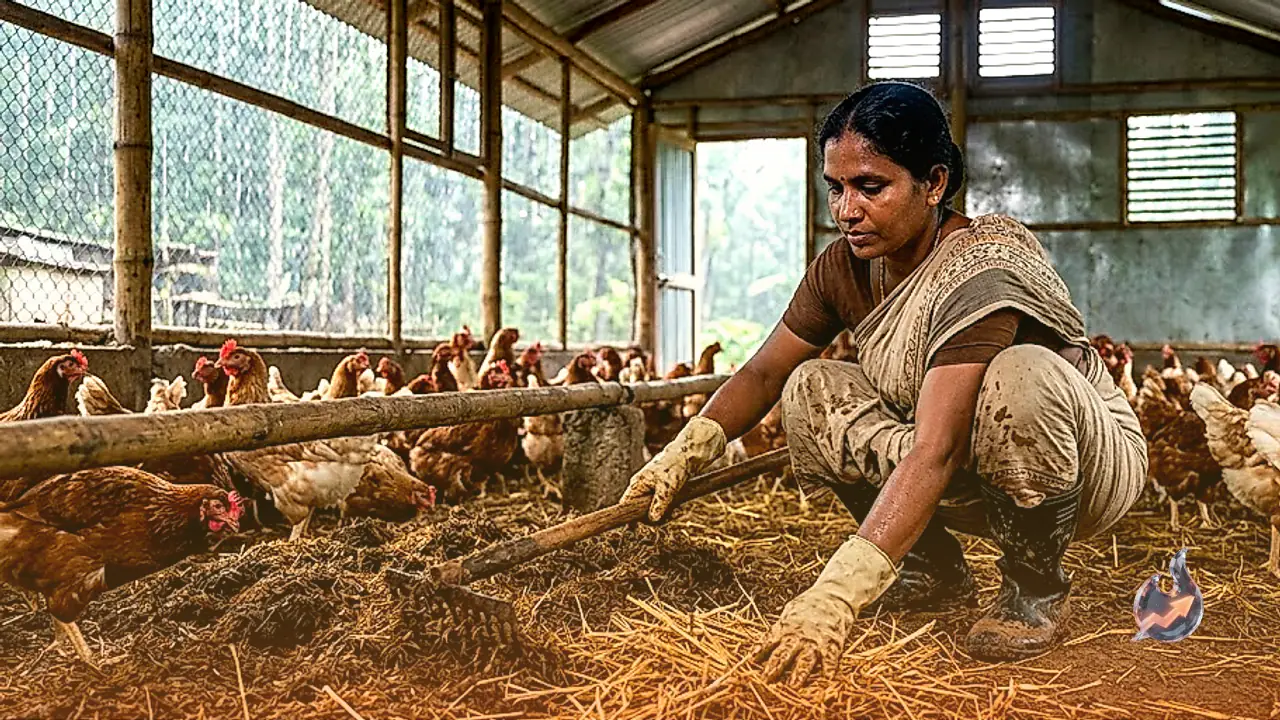

The arrival of the rainy season often brings a lot of challenges and worries for poultry farmers. During this period, the rise in atmospheric moisture causes dampness inside the chicken sheds. It is vital to ensure that rainwater does not enter the shelter and that any leaks in the roof or walls are repaired promptly. Proper ventilation inside the shed is equally important for the health of the birds. Instead of keeping the shed completely sealed off, arrangements should be made to allow a steady flow of fresh air in and out.
Managing Litter and Preventing Leaks
During the wet months, special attention must be given to the litter placed underneath the chickens. If materials like straw, wood shavings, or paddy husk get wet, they should be removed immediately and replaced with dry litter. The litter should also be turned over periodically to keep it aerated. Wet litter leads to foul odors, higher ammonia levels, and an increased risk of disease outbreaks. Additionally, farmers must check water tanks, pipes, and drinkers daily for any potential leaks.
Recognizing Diseases and Symptoms
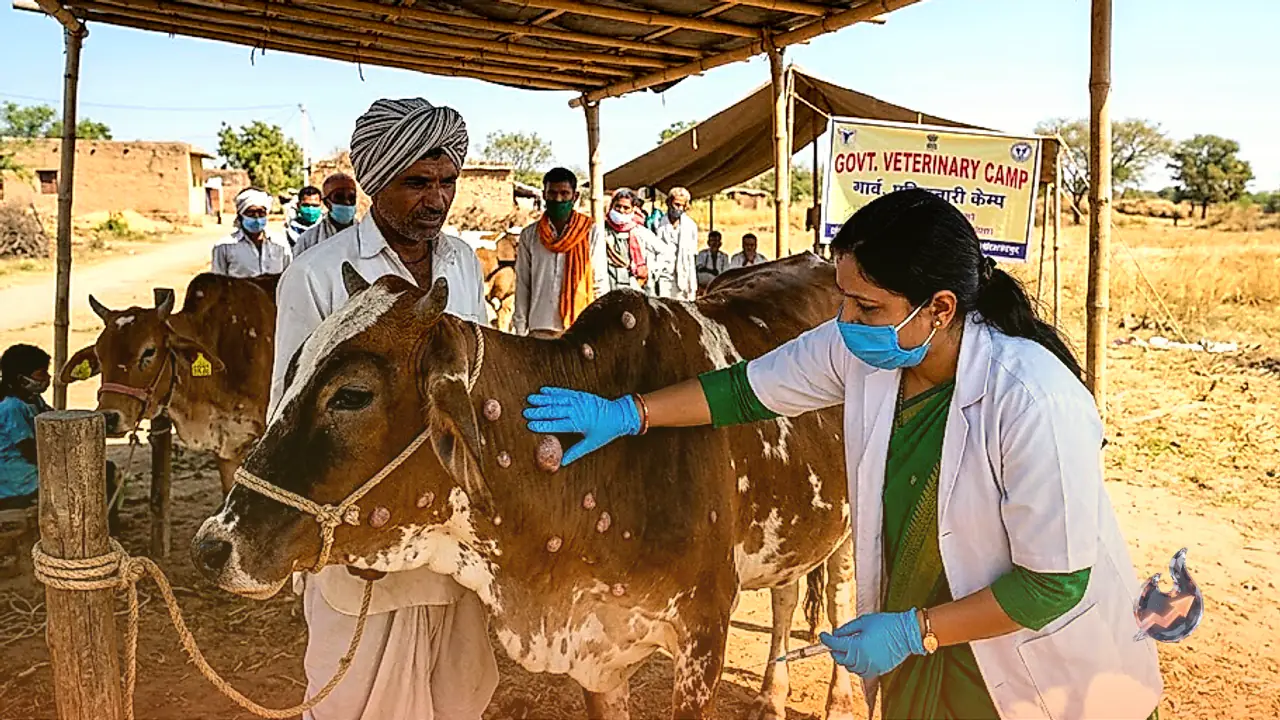
In this season, chickens face a heightened risk of contracting ailments such as diarrhea, respiratory distress, watery eyes and nostrils, general weakness, and coccidiosis. If any chicken appears lethargic, sits separately from the flock, or shows abnormal droppings, it should be isolated immediately from the rest of the birds. Upon noticing any signs of illness, consulting a qualified veterinarian is essential instead of administering medicines on your own.
Maintaining Feed and Water Quality
Always provide clean and fresh water to the chickens and store their feed in a dry and clean place. Wet or moldy feed should never be given to the birds during the rainy season. Feeders and drinkers must be cleaned on a regular basis. Keep flies, mosquitoes, and rats away from the shed at all costs. While home remedies like neem leaves can be tried, they should not be considered a substitute for proper medical treatment. Maintaining strict cleanliness and keeping the shed dry remains the most crucial line of defense.
Vaccination and Biosecurity Measures
Ensure that the chickens receive all their vaccinations on time and maintain strict biosecurity alongside general cleanliness within the farm. Restrict unnecessary entry of outsiders and stray birds into the premises. In the event of a disease outbreak, avoid giving antibiotics or other medications without professional veterinary guidance. Inspecting the shed thoroughly every morning and evening helps catch illnesses at an early stage. In case of sudden high mortality, severe breathing difficulties, or rapid spread of disease, contact a nearby veterinarian immediately.