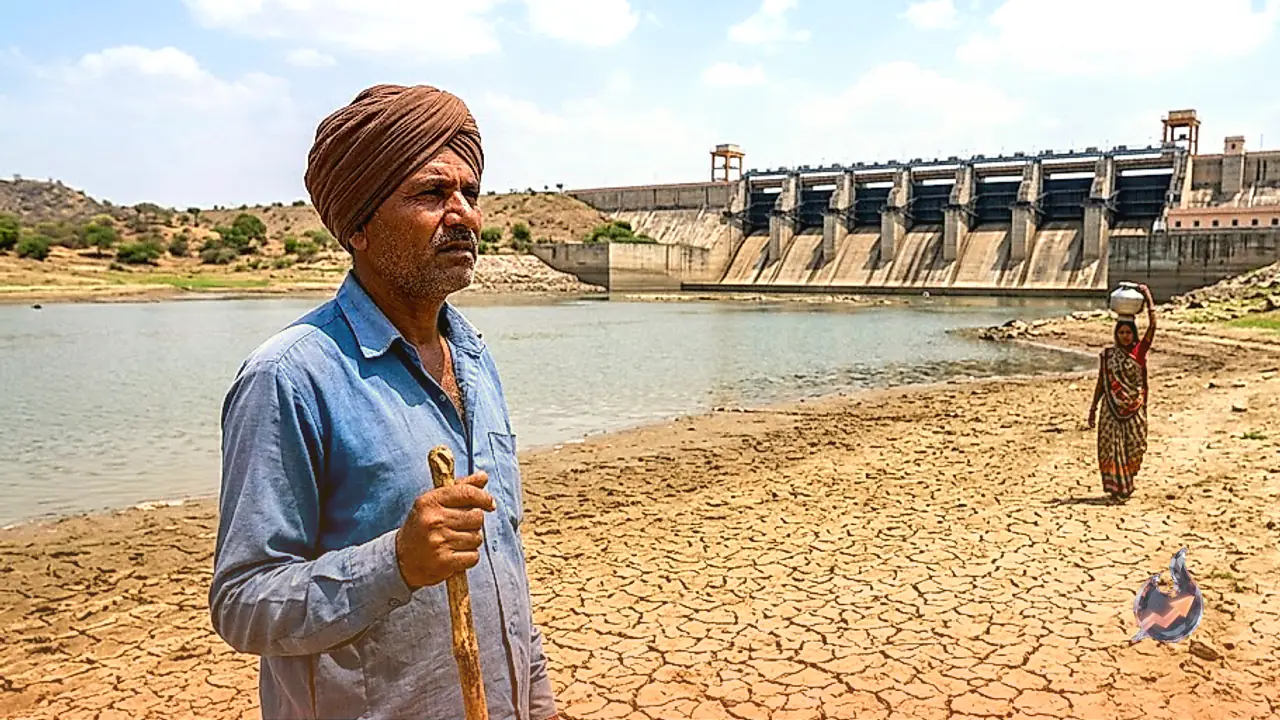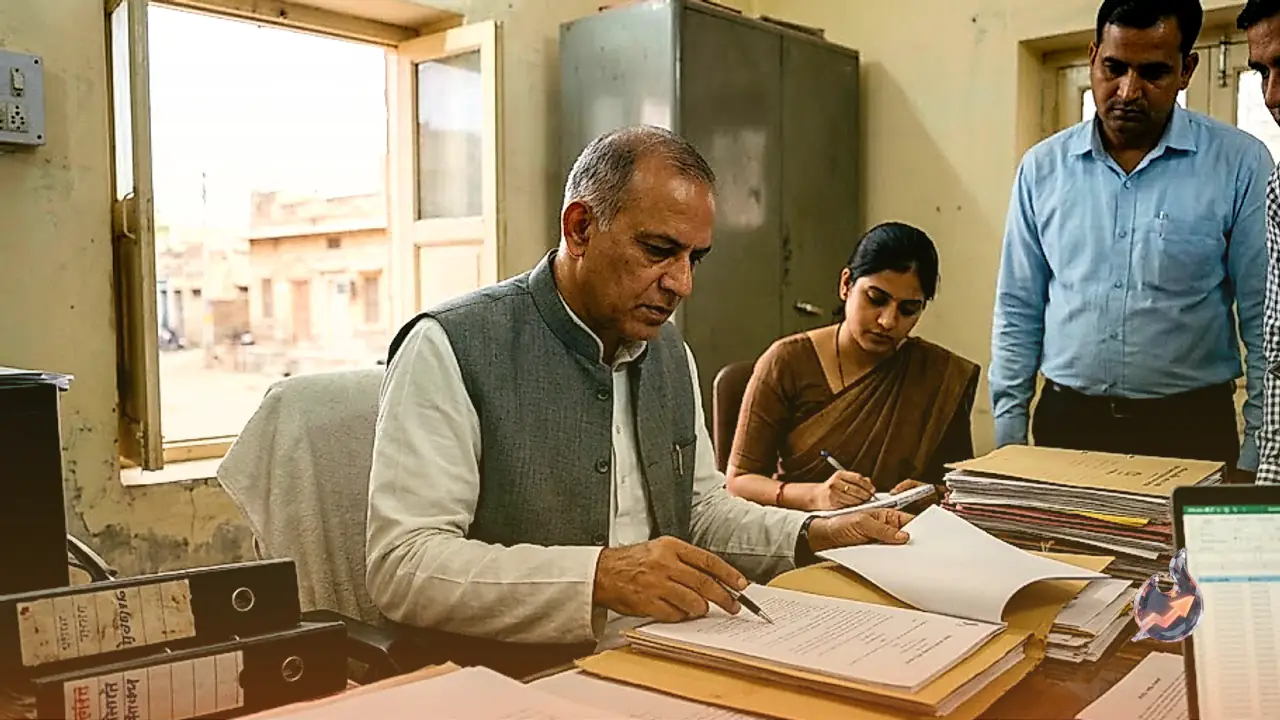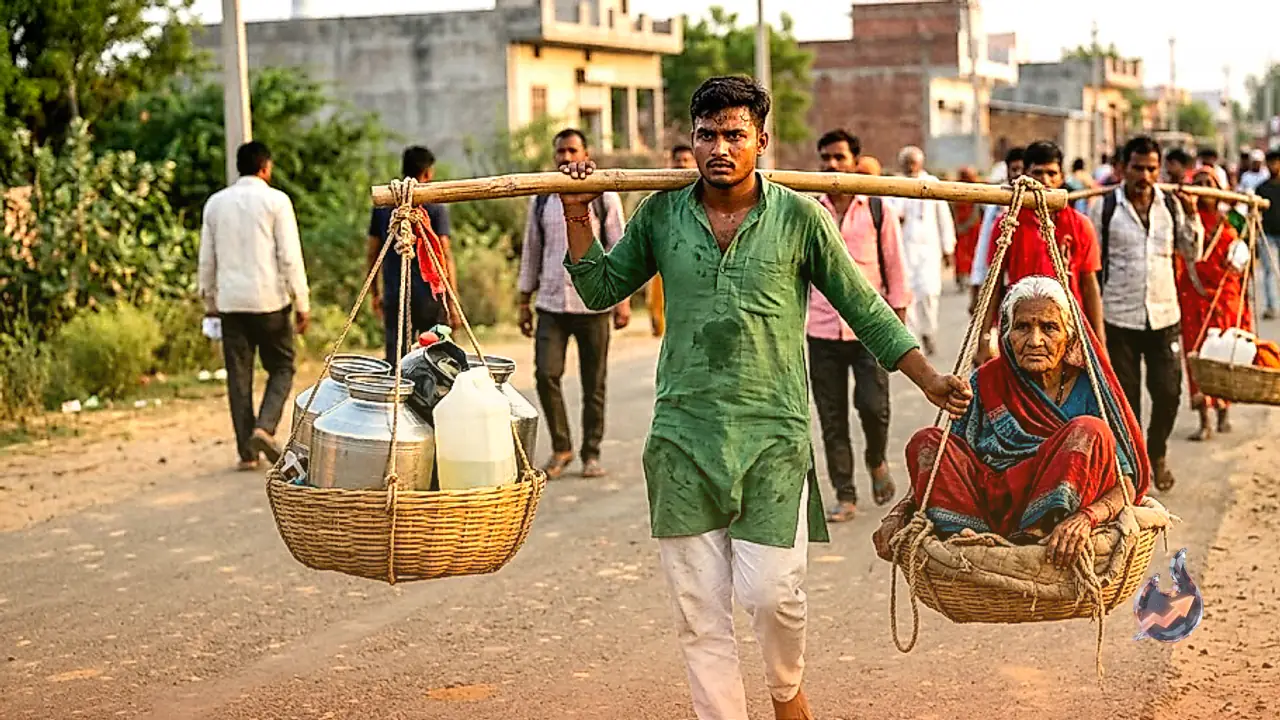
























The history books of Pali are filled with accounts of various events, but true societal transformation is driven by individuals who carve out paths of revolution through their personal struggles. Today, we look at the inspiring journey of a true hero from Gundoj village in Pali district, a man who challenged injustice at every turn of his life. Even after losing both parents at the tender age of 12 and having his ancestral land snatched away by local landlords, he refused to give up. To fight against a rigid system, he joined the police force and eventually became a head constable.
However, listening to the patriotic speech of Netaji Subhas Chandra Bose in Jodhpur in 1938 completely transformed his path, prompting him to discard his khaki uniform and dedicate his life to the freedom struggle and social equality. During an era defined by severe untouchability where school doors were firmly shut on Dalit children, Rampratap Sharma rented a small space and established Rajasthan's first Dalit school.
How Netaji's Speech Turned a Policeman Into a Revolutionary
The turning point began in 1934 when Rampratap witnessed feudal lords beating the vulnerable and moneylenders during an open assembly at his maternal grandparents' village in Bagri, firing up his resolve to fight an unjust system. Though he initially wanted to join the army, circumstances led him to enlist as a head constable in the Jodhpur police in 1938. Around that time, Netaji Subhas Chandra Bose, fresh from his travels abroad, visited Jodhpur, and head constable Rampratap Sharma was entrusted with the responsibility of securing Netaji's public gathering.
The powerful rhetoric and patriotic ideals of Netaji ignited such a fierce fire within him that he resigned from his police position in 1939. Returning to his village, he aligned himself with the Marwar Lok Parishad and openly challenged the jagirdari system. His active defiance made him a prominent voice against colonial and feudal oppression in the region.
Imprisonment, Attacks, and an Unyielding Spirit
Because of his active participation in the Satyagraha movement under the guidance of Jamnalal Bajaj and Hiralal Shastri, the British authorities arrested him in 1943, slapping numerous false charges against him. After spending nearly two years behind bars, he was acquitted in 1945. The moment he walked free, he plunged right back into peasant movements, opposing the British and the feudal lords despite facing several life-threatening attacks.
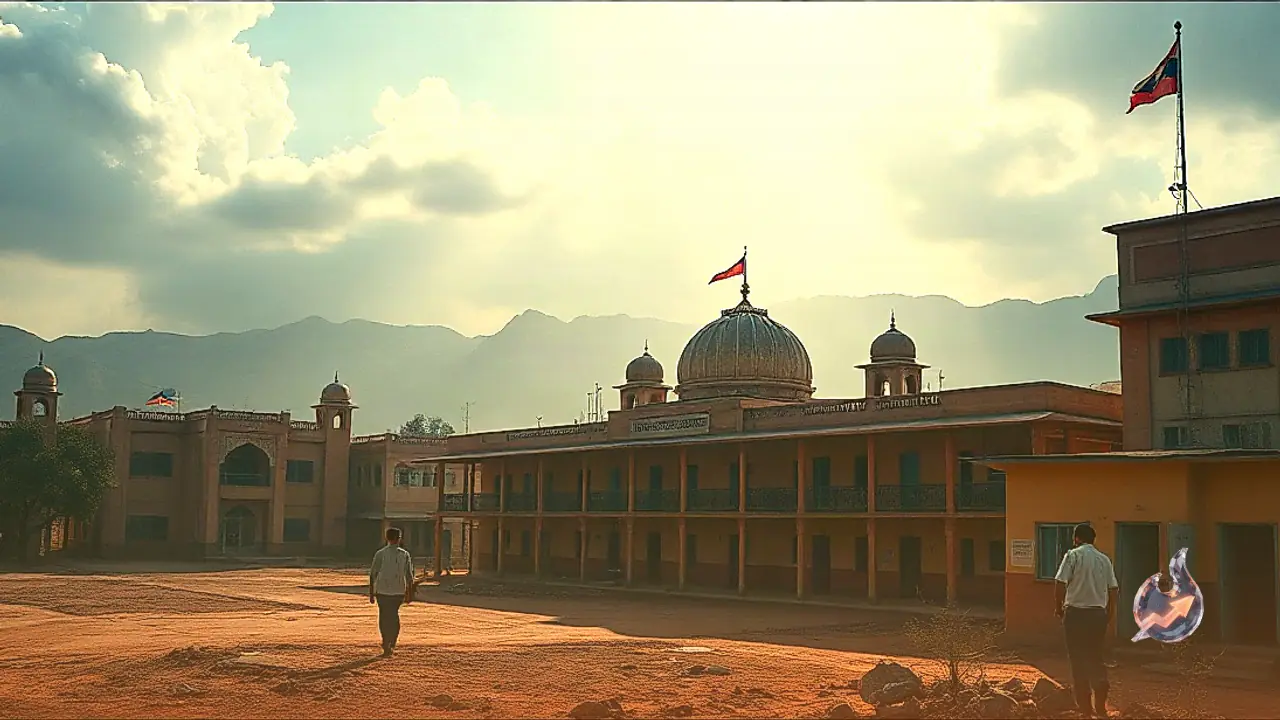
Deeply influenced by the ideals of Vinoba Bhave, Rampratap Sharma was a staunch opponent of untouchability. In an era when Dalit children were barred from formal education, Sharma rented a house belonging to satyagrahi Seth Pukhraj Jain and formed an education committee in 1945 to launch Rajasthan's first Dalit school. He even persuaded his younger brother Magraj to quit his government job to take up the responsibility of teaching these children. Following India's independence, the school was shifted in 1955 to old colonial bungalows, which are known today as the Government Senior Higher Secondary School, Gundoj.
A Legacy of Social Reform and Public Service
Under the guidance of prominent leaders like Jai Narayan Vyas and Mathura Das Mathur, Rampratap Sharma walked across the villages of Pali to eradicate untouchability. His commitment to social reform went beyond mere words; he adopted a Dalit girl, raising her as his own daughter, ensuring she received an education, and eventually arranging her marriage. After India gained independence, he was elected as the village's first sarpanch and became the first district president of the Congress party in 1954. From fighting for national freedom to championing social equality, the remarkable saga of freedom fighter Rampratap Sharma remains a source of immense pride for the soil of Marwar.