





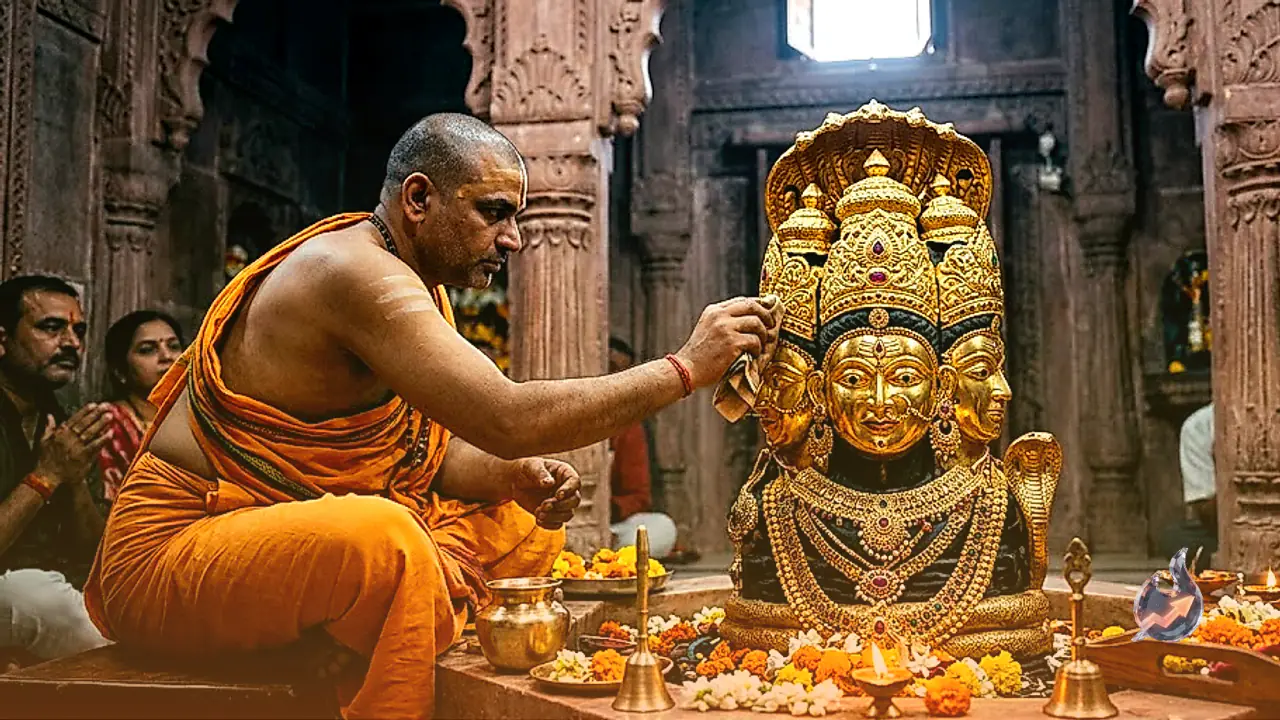














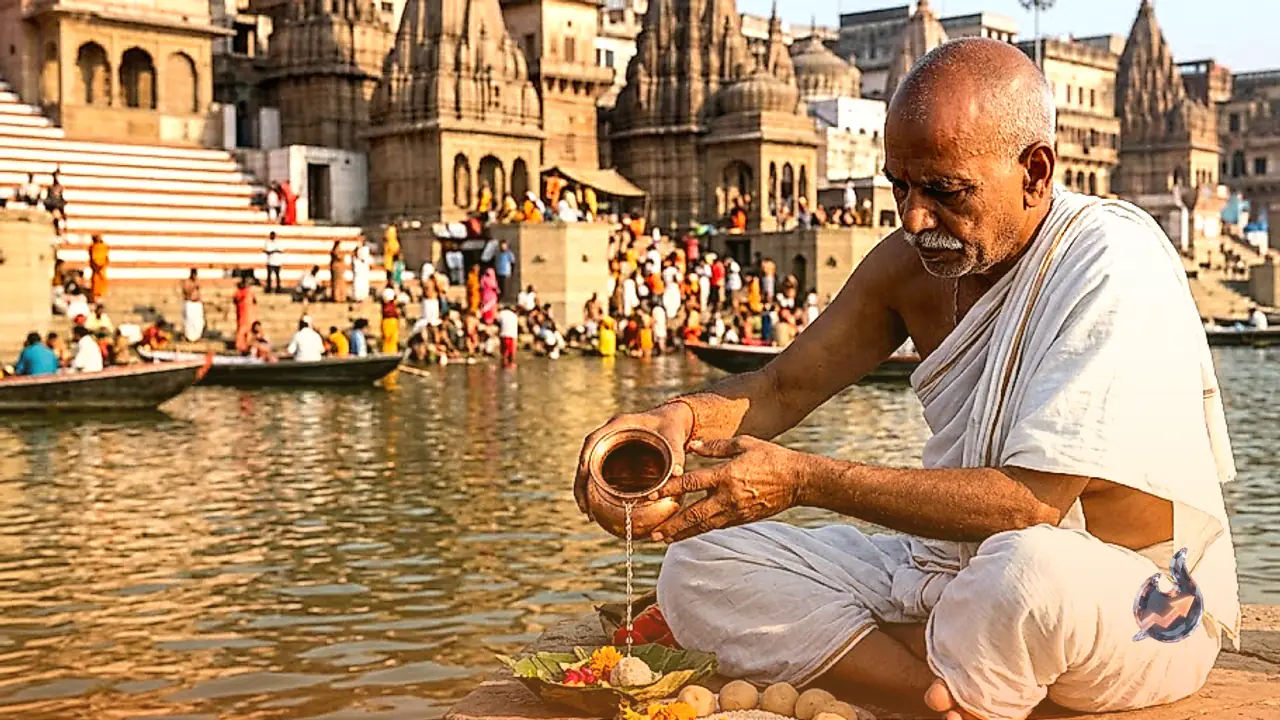

The sacred Hindu fortnight dedicated to honoring ancestors and expressing profound gratitude toward lineage, known as Pitru Paksha or Shraddha Paksha, is scheduled to commence on September 27, 2026. Across this period, families perform traditional offerings, including Tarpana, Pind Daan, and Shraddha rituals, aligned with the specific lunar dates on which their departed family members passed away. Traditional beliefs emphasize that when these spiritual duties are performed with sincere devotion and Vedic adherence, they satisfy the souls of ancestors and bring auspicious blessings to their families.
Calendar Dates and the Chronology of Observances
According to the calculations of the traditional calendar, Bhadrapada Purnima Shraddha will take place on September 26, 2026. The main cycle of Pitru Paksha will officially begin the following day, September 27, with the Pratipada Shraddha. As the fortnight progresses, families will observe ceremonies across Dwitiya, Tritiya, Chaturthi, and subsequent dates, honoring family members according to their departure dates. The entire observance will reach its formal conclusion on October 10 with the observance of Sarva Pitru Amavasya.
Selection of Ritual Dates and Ceremonial Duties
Religious custom dictates that ancestral rites must be conducted on the exact lunar tithi matching a family member's passing. In circumstances where the exact date of death is unknown or lost to family memory, the traditional guidelines specify that the Shraddha should be performed on Sarva Pitru Amavasya. This single occasion permits descendants to offer prayers, Tarpana, and memorial rites for both known and unknown ancestors collectively.
Highlighting the spiritual depth of the period, Pandit Shyam Babu Bhatt, a ritual specialist based in Karauli, states that Tarpana and Pind Daan serve as the foundational practices of this period. Descendants offer sacred water infused with black sesame seeds to remember their forebears, a gesture that reflects lasting gratitude toward one's lineage and acknowledges the eternal connection between past and present generations.
Charity, Cow Care, and Honoring Ancestors Before Deities
The fortnight carries a strong emphasis on practical charity, including hosting Brahmins for meals and donating clothing, grains, and other essential items within one's financial capability. Acts of service, such as supporting those in need, performing cow service, and distributing food to the underprivileged, are viewed as meritorious deeds carried out in the name of the departed. Pandit Shyam Babu Bhatt explains that during this fortnight, devotees are advised to worship and offer respects to their ancestors before performing regular deity worship, because when ancestors are satisfied, the deities naturally shower their favor. This concept reflects core cultural values that emphasize respecting and caring for elderly family members during their lifetimes and honoring their memory through faithful rites after their passing.
Significance of Sarva Pitru Amavasya and Cultural Meaning
Marked for October 10, Sarva Pitru Amavasya stands as the ultimate and most pivotal day of Pitru Paksha. It serves as a universal opportunity to pay homage to all ancestors whose specific departure dates are unfamiliar. Beyond formal ritualism, Pitru Paksha represents a time-tested cultural tradition aimed at remembering preceding generations, acknowledging their sacrifices, and preserving family lineage through deliberate acts of service, charity, and reflection.