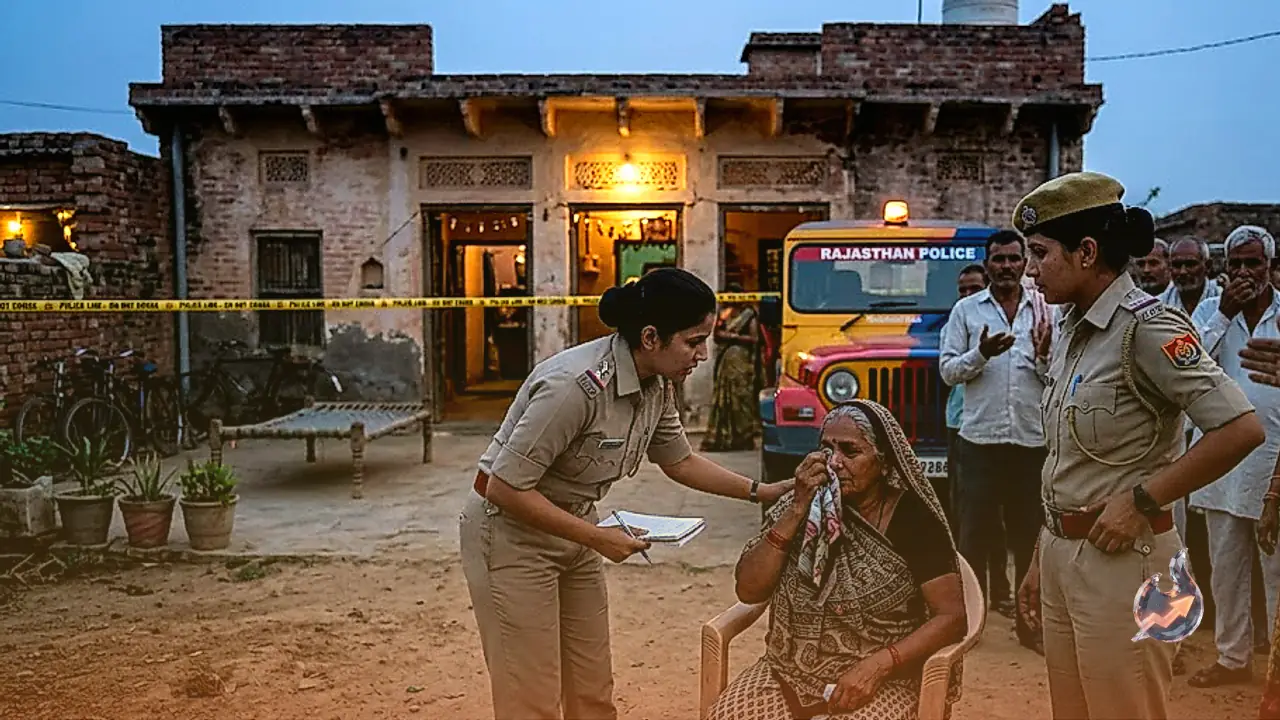


















Following the completion of two and a half years of the Bharatiya Janata Party administration in Rajasthan, Chief Minister Bhajan Lal Sharma faces his most critical electoral evaluation yet. Polling has commenced for the state's urban local body elections, spanning all 309 municipal entities across Rajasthan. Designed under the framework of the 'One Nation, One Election' theme, this unified electoral exercise has seen the Chief Minister personally taking charge of the campaign, leading extensive city-by-city roadshows to rally support for ruling party candidates.
Electoral Dynamics and Phase-Wise Voting Schedule
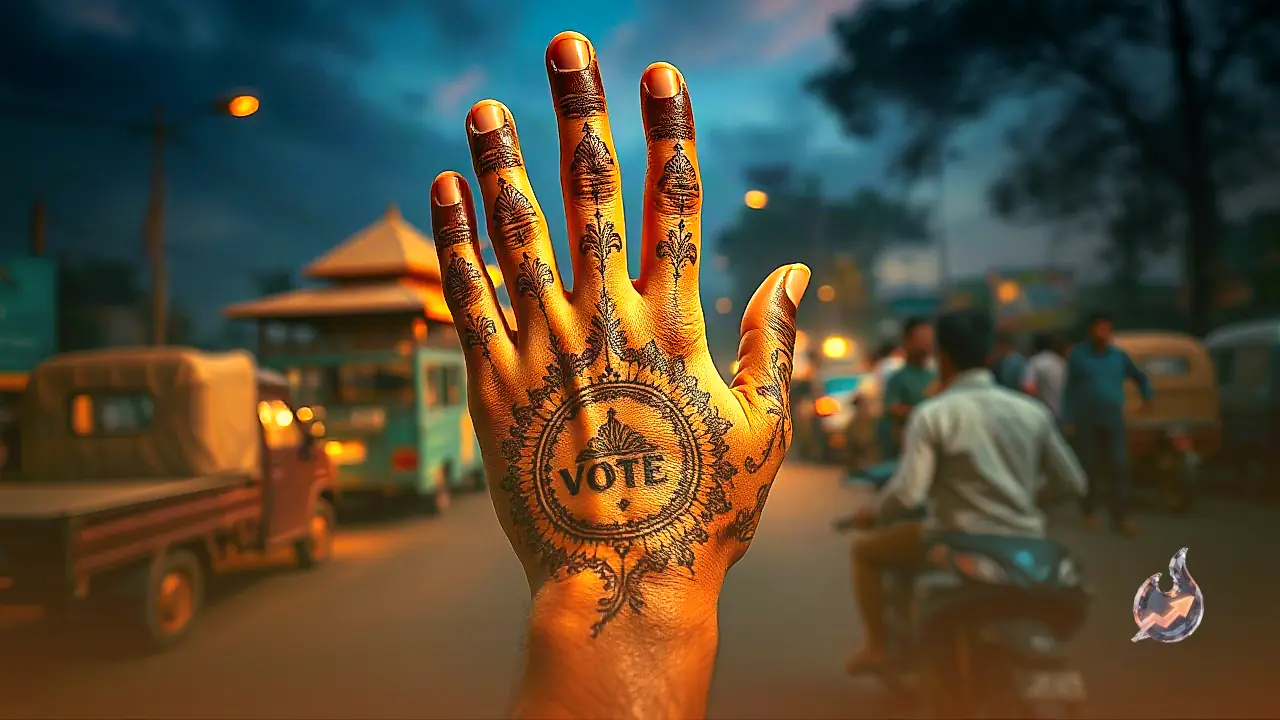
The state election mechanism has divided the voting process into two distinct phases. Polling for the first phase is underway today across 162 urban bodies, while the remaining 147 bodies will go to the polls in the second phase on 11 September. Votes across all 309 bodies will be counted on 14 September, revealing the final public mandate. Holding simultaneous elections for all urban entities marks a major policy move by the Bhajan Lal Sharma government, consolidating municipal polls that were previously staggered.
The stakes are exceptionally high across the administrative spectrum. The election outcome will determine the leadership for 10 municipal corporations where mayors will be elected, 47 municipal councils electing chairpersons, and 252 municipalities selecting board presidents. Because these municipal polls precede the upcoming Panchayat elections in Rajasthan, both the ruling BJP and the opposition Congress are treating the urban battleground as a vital momentum builder for rural local governance.
Jaipur Walled City Roadshow and Strategic Campaign Messaging
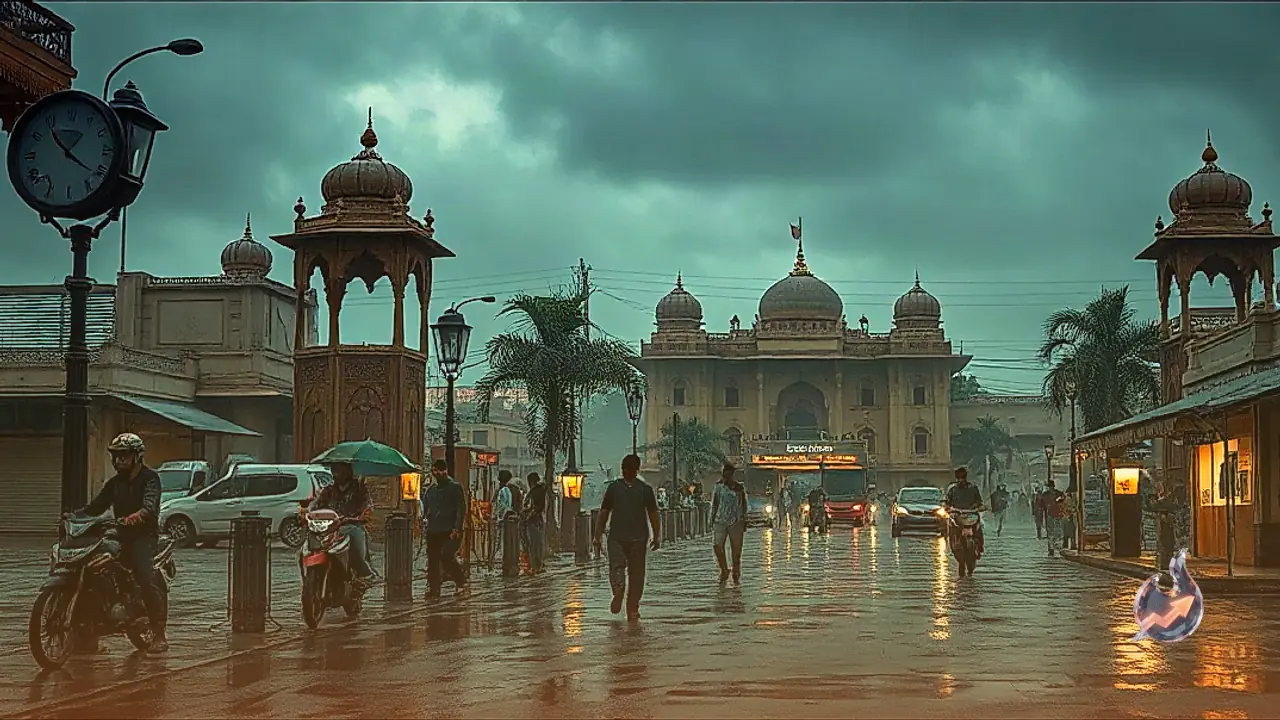
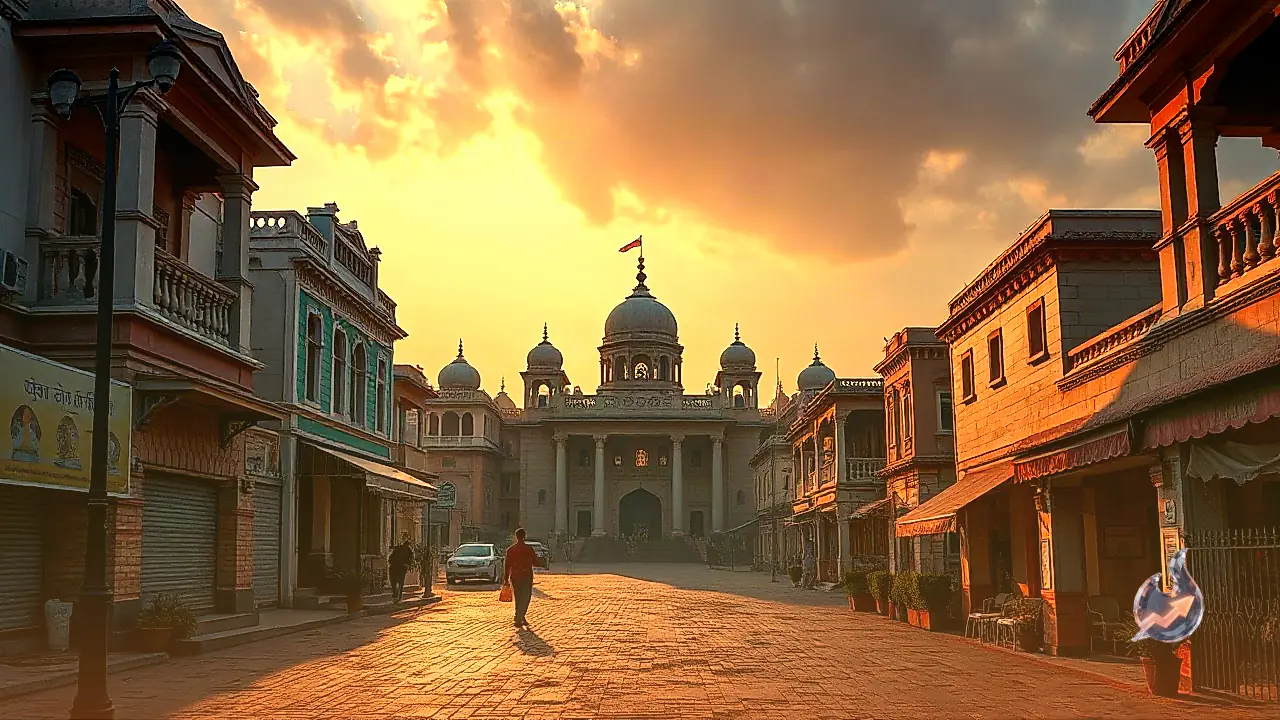
In a final push to consolidate urban voters, Chief Minister Bhajan Lal Sharma led an energetic roadshow through the historic Walled City area of Jaipur. The Chief Minister personally appealed to voters across all 149 municipal wards in Jaipur city on behalf of BJP councillor candidates. Cities like Jaipur and Jodhpur contain significant demographically mixed neighborhoods, where issues surrounding local security and population shifts often take center stage during election campaigns.
During his campaign addresses, Chief Minister Sharma emphasized key polarization narratives, highlighting his government's introduction of the Disturbed Area Act Bill. He stated that this legislation would curb forced migration in Jaipur and other urban centers, warning that individuals who coerce residents into abandoning their properties would face imprisonment. He also alleged that the previous Congress administration permitted Love Jihad, contrasting it with his government's strict policy enforcement as a major governance milestone.
Central High Command Oversight and Political Stakes
Given the midterm nature of these elections, the BJP central leadership is maintaining rigorous oversight of the campaign. National General Secretary (Organization) B L Santhosh convened high-level strategy meetings in Jaipur, mobilizing senior state leaders and appointing central in-charges and observers to supervise field operations. Coming in the backdrop of the Cockroach Janta Party (CHP) agitation in Delhi and ahead of crucial state assembly elections in Uttar Pradesh, the party leadership views the Rajasthan civic polls as a significant test of broader public sentiment.
Both party insiders and political observers view the election as a direct referendum on Chief Minister Bhajan Lal Sharma's two-and-a-half-year performance. The final tally on 14 September will not only impact the political standing of the Chief Minister but will also test the electoral weight of key cabinet ministers across the state's urban centers.