



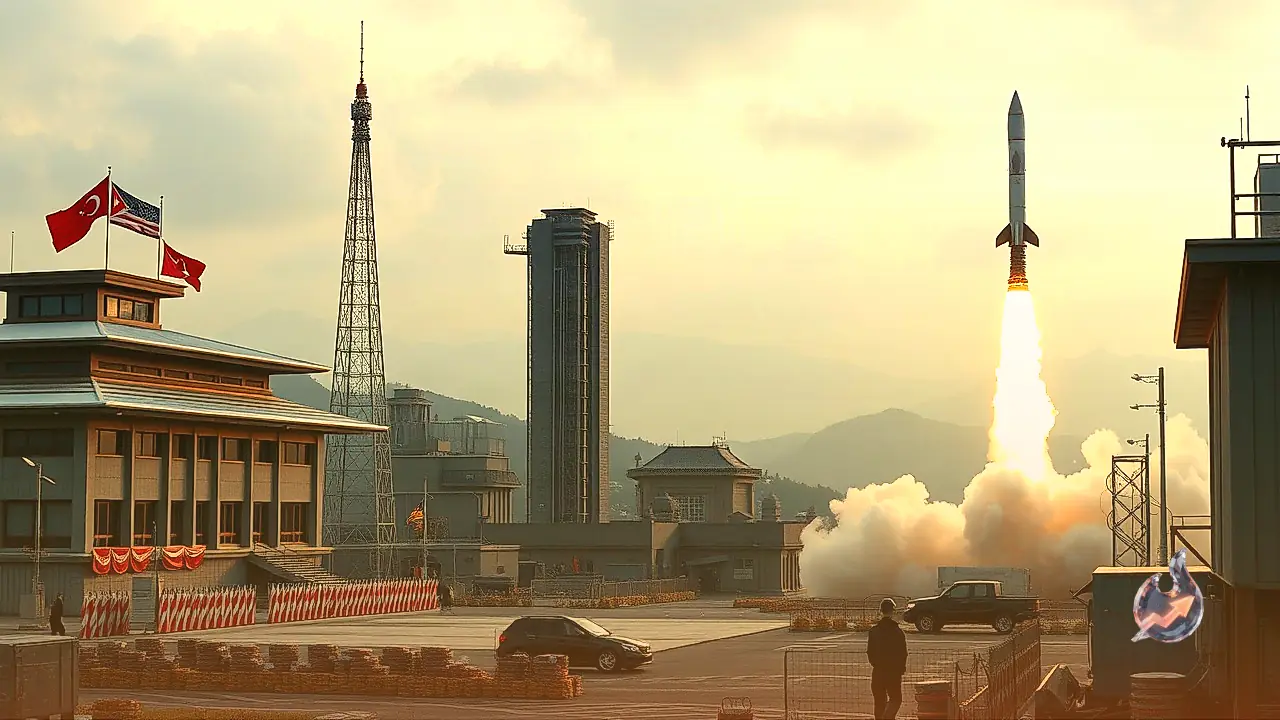

















A piece of a SpaceX Falcon 9 rocket that has been drifting through space since last year struck the surface of the Moon today, Wednesday, August 5. The debris, roughly the size of a school bus and weighing about 4,000 kilograms, hit the lunar surface at exactly 12:05 PM Indian Standard Time.
How the collision came about
The object was the spent second stage of the Falcon 9 rocket that launched Firefly Aerospace's lunar lander toward the Moon in January 2025. While the lander went on to complete its own mission, this discarded stage kept floating aimlessly through space with no fixed trajectory ever since. It finally slammed into the lunar surface at a speed of around 8,690 kilometers per hour.
A fresh crater and a towering dust cloud
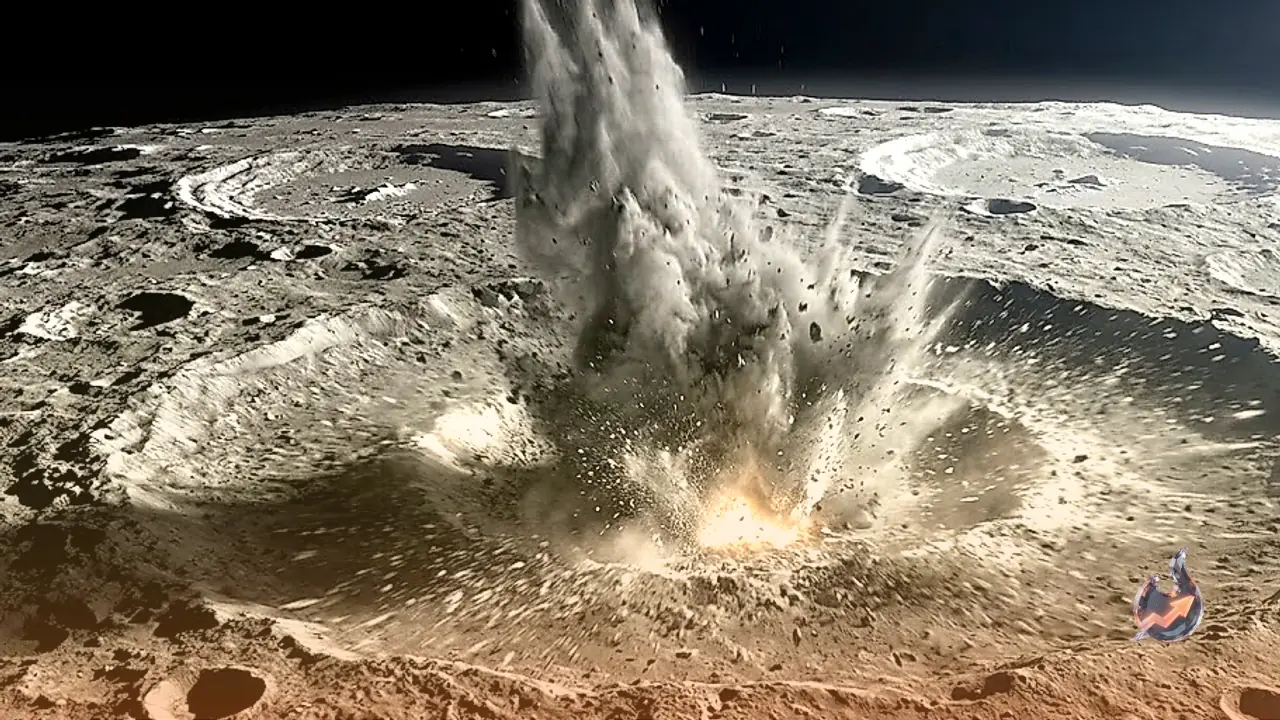
The impact was expected to gouge out a new crater on the Moon's surface and throw up a dust plume roughly 100 kilometers high. That plume could shine when lit by sunlight, but seeing it from Earth with the naked eye, without any telescope or equipment, was expected to be difficult. The rocket fragment was expected to hit near the Einstein Crater on the Moon's western limb, which made the event even harder to observe from Earth.
No danger to Earth, a research opportunity for scientists
Scientists have made clear that the collision poses no danger to Earth. If anything, the event offers a chance to learn more about the Moon's surface and composition. That is why, alongside scientists around the world, thousands of ordinary space enthusiasts were also eager to follow the event. NASA said it would look for opportunities to photograph the impact site both before and after the collision so the resulting crater and dust plume could be studied closely.
Why the rocket piece never fell back to Earth
The different sections of a rocket are known as stages. Once a stage has delivered its payload into the intended orbit, it typically either burns up as it re-enters Earth's atmosphere or falls into the ocean. But the 2025 lunar lander mission needed considerably more thrust than missions that stay closer to Earth. As a result, the rocket's second stage never returned to a stable orbit and instead kept wandering among thousands of pieces of space debris with no set path, until it finally struck the Moon today.