





















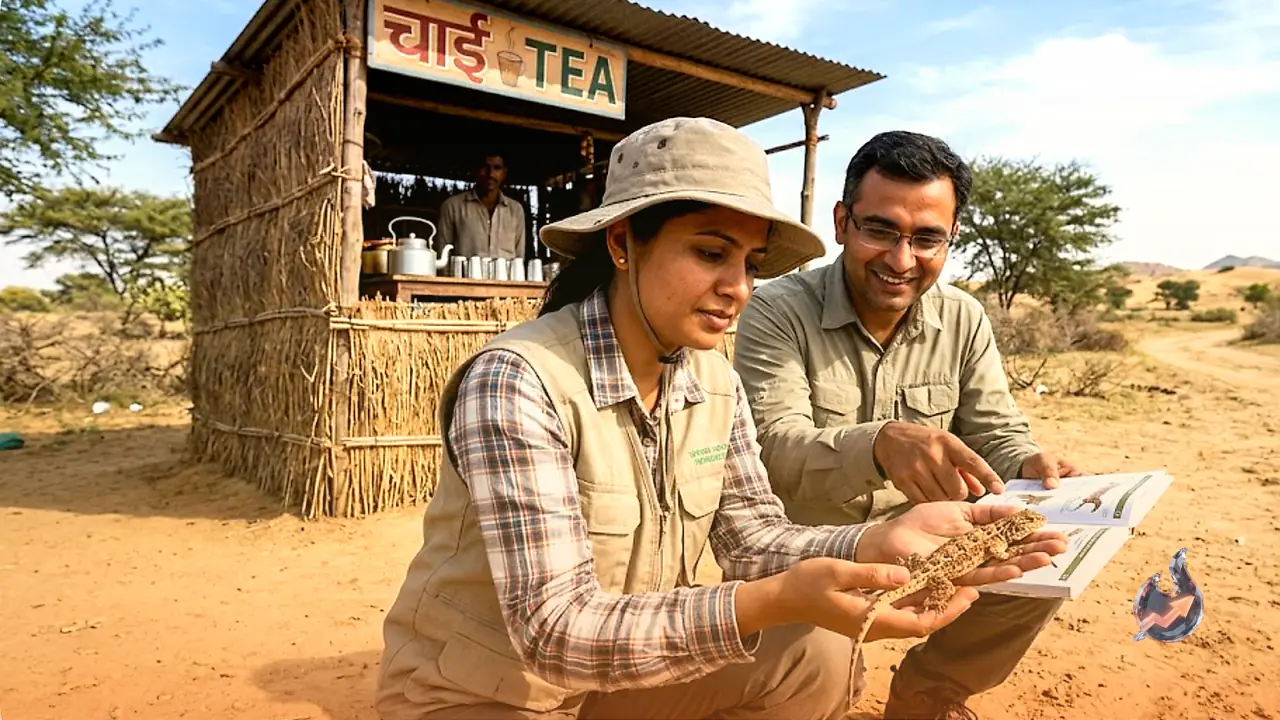

Rajasthan's Bikaner has once again turned the national spotlight onto its biodiversity. In the Gajner area, scientists have come across a lizard species that had never been documented in the world of science. It has been named 'Mesalina bishnoi', and it is being hailed as the first confirmed record of the Mesalina genus anywhere in India. The find not only reveals the hidden richness of the Thar desert, it also brings scientific recognition to the centuries-old devotion of the Bishnoi community towards nature and wildlife.
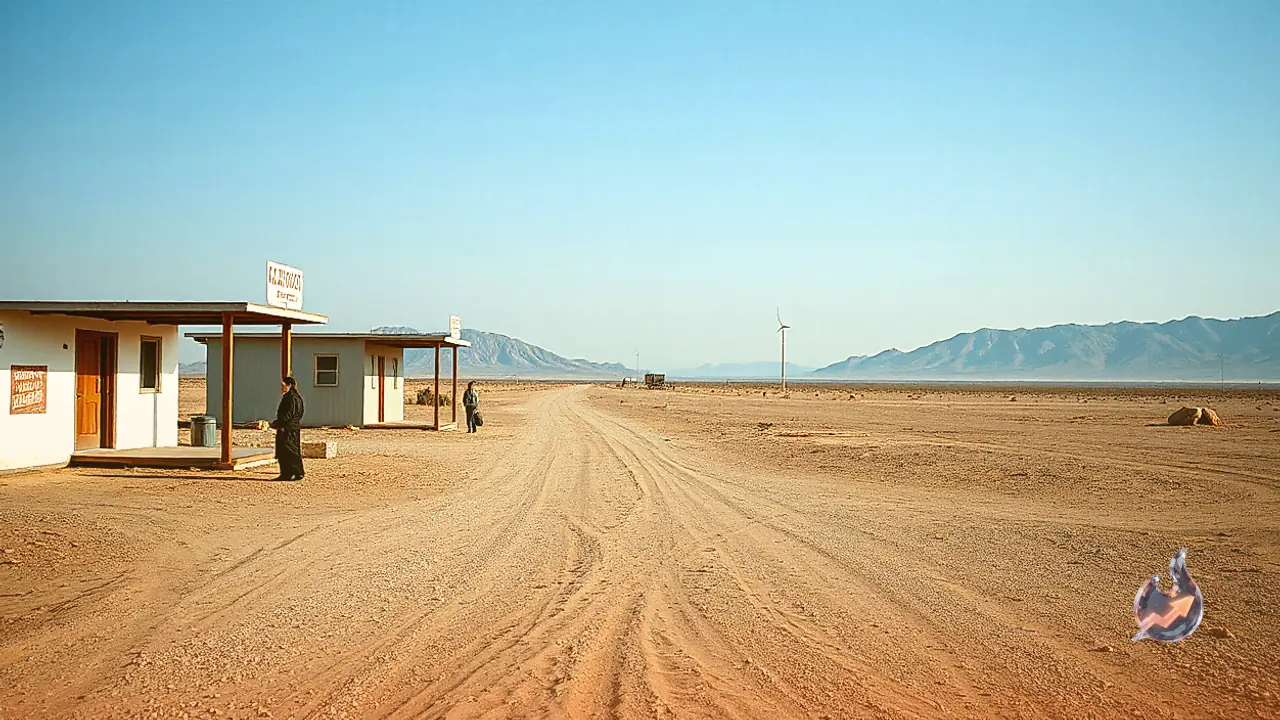
What makes the story striking is how ordinary its starting point was. In August 2025, scientists from the Zoological Survey of India (ZSI), along with other researchers, were carrying out a field survey in the semi-desert stretch near Gajner. While heading towards the Gajner forest area, the team stopped at a tea stall along the way. It was there that a tiny lizard caught everyone's attention. A close study of its body structure and DNA later confirmed that it was a species entirely new to science.
The reason behind the name
According to study co-author Dharmendra Khandal, the species was deliberately named 'Mesalina bishnoi' to honour the Bishnoi community's centuries-old commitment to protecting wildlife and the natural world. The name is dedicated to a community that has, for generations, treated the protection of trees and animals as a part of daily life.
An answer to a 90-year-old puzzle
Dr. Pratap Singh, head of the zoology department at Rajkiya Dungar College, explains that back in 1935, British biologist Malcolm A. Smith had mentioned a species of the Mesalina genus in the Jaisalmer region. However, there was no solid scientific evidence to back that claim. Now, based on the DNA and morphological characters of samples collected from Gajner in Bikaner, scientist Sumit Roy and his team have officially declared it a new species. In other words, what was searched for in the pages of books for nearly nine decades has finally been identified on the ground.
What the lizard looks like
Scientists say the lizard is extremely small, measuring around 39.2 millimetres in length. Its colour ranges from slaty to olive-brown. Two clear stripes running from the neck to the tail are among its defining marks. Black markings behind the eyes, dark spots across the body, and white dots between those spots set it apart from other species. The underside of its body is a light slaty or dull whitish shade.
A fresh chapter in Thar's biodiversity
The lizard was found in terrain where the ground was hard and rocky and desert vegetation was sparse. The species prefers arid and semi-arid zones and is most commonly seen in stony areas. During the survey, other reptiles such as the Sehgal's gecko, the spotted desert racer and the saw-scaled viper were also recorded alongside it.
According to Dr. Pratap Singh, the species is so far known only from the Gajner area of Bikaner. Its true population can be estimated only after a wider survey. He noted that the discovery is a sign that the Thar desert still harbours many animal species that are yet to be scientifically identified. Scientists believe the find underlines the need for more taxonomic surveys across the arid regions of western India. It also proves that the Thar is not just a dry land of harsh climate, but an important hub of remarkable and still-unknown biodiversity.