






















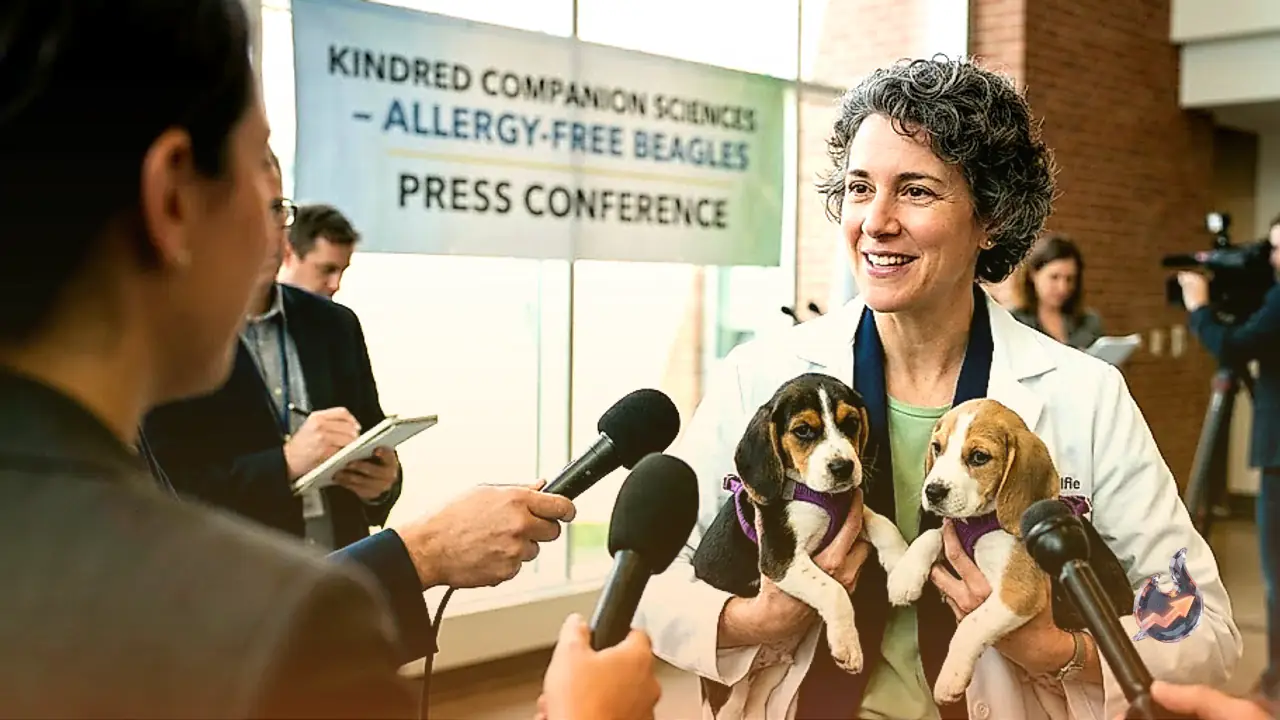

A strong desire for canine companionship coupled with personal struggles against pet allergies has led to a major scientific breakthrough. While serving as an undergraduate at Harvard University and later as a research associate at Columbia University, Walker utilized Nobel Prize winning CRISPR gene editing technology in laboratory settings. He questioned whether gene editing could eliminate the protein responsible for dog allergies in humans, allowing sensitive individuals to own pets safely. The realization of that concept has manifested in two young beagle puppies named Bailey and Alfie. While behaving like normal, energetic dogs, these puppies lack the specific protein that triggers sneezing and watery eyes in humans. The breakthrough is the result of multi year efforts at Kindred Companion Sciences, a biotechnology firm founded by Walker in 2020 that recently announced its scientific findings.
Targeting the Root Genetic Cause of Dog Allergies
In a research paper published on Wednesday in The Crispr Journal, Walker and his scientific team detailed how they removed the primary allergen protein from dogs using targeted genetic modifications. For more than half of individuals who suffer from dog allergies, the main trigger is a protein known as Can f 1, which is secreted in dander, hair, and saliva. Although dogs produce multiple Can f proteins, Can f 1 represents the most common culprit. Scientific studies have demonstrated that dog breeds marketed as hypoallergenic often possess equal or higher concentrations of Can f 1 compared to standard breeds. This reality prompted the researchers to evaluate whether gene editing could permanently eradicate the allergen directly at its source within the animal cell.
The Scientific Methodology: From CRISPR Modification to Somatic Cell Cloning
To execute the modification, the team at Kindred Companion Sciences collected skin cells from a female beagle and applied CRISPR technology to deactivate the gene responsible for producing the Can f 1 protein. They then utilized a specialized cloning technique called somatic cell nuclear transfer, inserting the edited cell nuclei into unfertilized egg cells obtained from donor beagles. Out of this process, the researchers created 25 genetically modified embryos, which were subsequently implanted into a surrogate female dog. Two of the embryos successfully developed to full term, resulting in the birth of Bailey and Alfie.
Rigorous Laboratory Verification and Human Testing
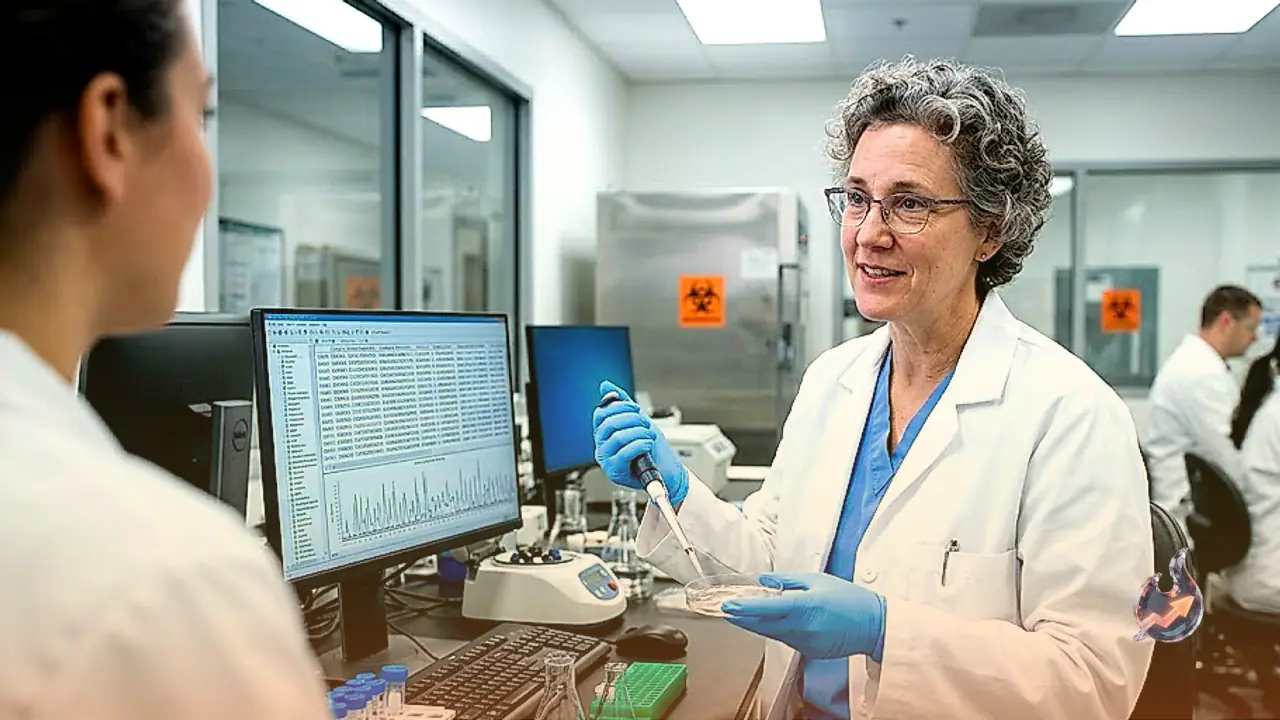
Both puppies exhibited normal birth weights and presented no congenital abnormalities upon delivery. To verify whether the Can f 1 protein had been eliminated, the team conducted full DNA sequencing, confirming the precise presence of the intended CRISPR edit. Subsequent biochemical evaluations of saliva and dander samples showed no detectable levels of Can f 1 protein. By contrast, control samples from non edited dogs, including a beagle, a poodle, and a golden doodle, displayed clear Can f 1 signals. To assess real world human immune responses, Walker underwent a skin prick test using liquid extracts from both edited and non edited dogs. While extracts from non edited dogs produced an allergic skin reaction, the extract from the gene edited dog elicited no reaction whatsoever. As an extended practical test, Walker has shared his home with Bailey for the past 1.5 years without experiencing any allergic symptoms. The second dog, Alfie, resides with company co-founder Nick Gavin.
Long-Term Health Monitoring and Future Breeding Initiatives
Alfie and Bailey remain under continuous veterinary care and will receive lifelong medical monitoring. The scientific team also conducted extensive genomic checks for off-target edits, which represent unintended mutations occurring outside the targeted gene sequence. No off-target genetic changes were identified. All animal research activities were carried out in licensed facilities under direct veterinary supervision. While the company initially selected beagles due to their standardized role in biomedical research, future objectives include expanding the technology to additional breeds and creating allergen-free service dogs. The overarching strategy involves establishing founder animals through cloning that can naturally transmit the edited trait to future generations through standard breeding. Walker has not provided a specific commercial availability timeline for the public.
Broader Scientific Context, Industry Comparison, and Ethical Considerations
This achievement builds upon previous scientific attempts to engineer allergen-free domestic pets. Several years ago, researchers from Virginia based InBio published a study in the same journal demonstrating the use of CRISPR to edit the main cat allergen, Fel d 1, within feline cell lines, although no live cats were produced. In 2024, a research group in South Korea successfully produced a cloned cat named Alsik, which exhibited extremely reduced levels of the Fel d 1 allergen. Commenting on Kindred's work, Fyodor Urnov, a gene editing specialist at UC Berkeley, expressed support for applying genetic engineering to resolve legitimate human challenges, noting that gene editing could also address breed specific health conditions created by selective breeding. Kindred Companion Sciences has emphasized that its mission focuses strictly on therapeutic and practical applications rather than cosmetic enhancements. This contrasts with entities like Embryo Corporation in Texas, formerly known as the Los Angeles Project, which has pursued projects such as glowing rabbits and engineered unicorns. For Walker, the primary reward remains the practical outcome of sharing his home with Bailey without allergic complications.