






















For generations, scientists have wondered what animals are really saying to one another and what their calls, movements and gestures actually mean. Artificial intelligence is now giving researchers a genuinely new way to chase that question, and some experts believe that if research keeps moving at its current pace, a major breakthrough in understanding how animals communicate could arrive by 2030.
Right now, AI is nowhere close to being able to hear a whale, a wolf or a bird and instantly spell out the exact meaning of its call. This research is still at an early stage. But with huge volumes of data now being collected and AI's ability to analyze it, scientists are starting to spot patterns that human ears and eyes have never been able to catch on their own.
Biologgers Are Capturing How Animals Actually Behave in the Wild
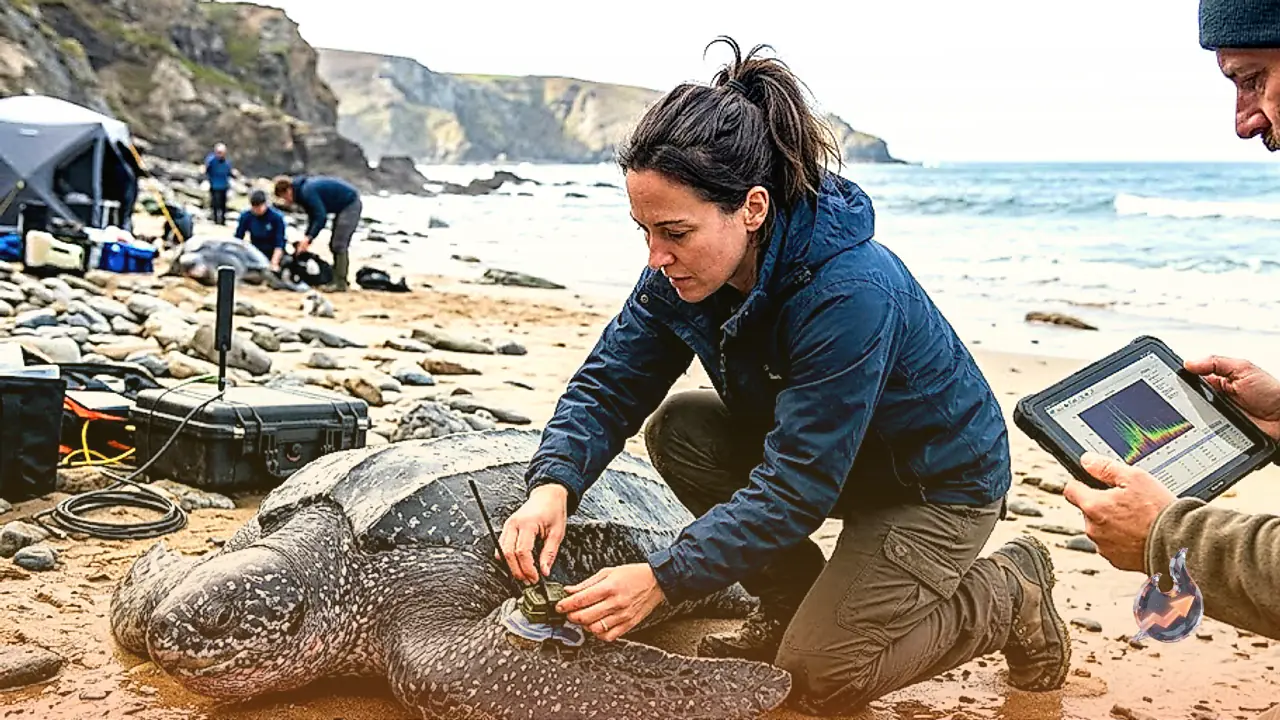
Small devices called biologgers sit at the heart of this research. They are attached directly to animals so that their sounds, body movements and other behavior can be recorded continuously. These devices are versatile enough to capture everything from a whale's call deep in the ocean to the subtle flutter of a bird's wings. AI then cross-references all these recordings with other data to find connections that would be extremely difficult for a person to spot by simply listening or watching. Scientists are specifically trying to work out whether a particular sound is tied to a specific emotion, behavior or situation.
Jeremy Coller Says the Code Could Be Cracked by 2030
Jeremy Coller, who is involved in this field, believes the research could reach a major turning point in the coming years. According to him, scientists could achieve a significant breakthrough by 2030 in cracking the code behind how animals communicate. That would mean going beyond simply detecting that an animal is making a sound, to actually understanding what it is trying to say.
Decades of Groundwork Already Exist
Trying to understand animal behavior and vocalizations is far from a new pursuit. Irene Pepperberg spent years working with Alex, an African grey parrot, studying his ability to learn and communicate. Jane Goodall, meanwhile, spent decades researching chimpanzee behavior, habits and the different sounds they make. The painstaking, years-long observation that both scientists carried out can now potentially be replicated by AI on a much larger scale and at a much faster pace.
A Possible Boost for Wildlife Conservation
If AI succeeds in reliably interpreting animal signals, wildlife conservation stands to benefit directly. Scientists would be able to better identify animals' needs and recognize behavior linked to stress, fear or contentment. That, in turn, could strengthen ongoing efforts to protect forests and natural habitats, since conservation decisions would be based on concrete data rather than guesswork.
The Same Technology Could Be Misused by Poachers
Along with the promise comes a serious risk. Several experts fear that the very AI technology built to read animal sounds and behavior could end up in the hands of hunters and poachers. Poachers have already used recorded calls and other tricks in the past to lure animals closer. If AI eventually learns to precisely decode specific signals, misusing that knowledge could become far easier than it is today. That is why, alongside the push to decode animal communication, it will be just as important to make sure the technology is used to protect and conserve animals, not to harm them.