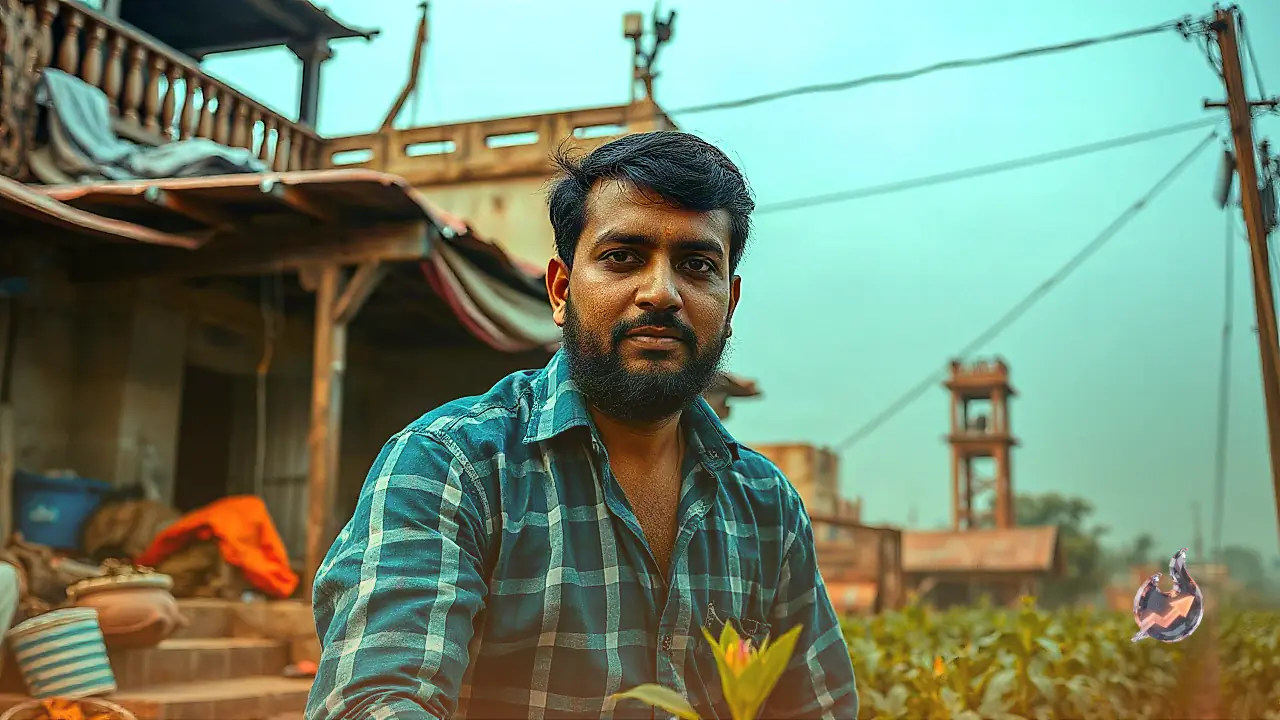
























In the tribal belts of Udaipur district, a remarkable economic transformation is taking place. Women who once faced the grueling reality of migrating to distant cities in search of unpredictable daily wage labor are now orchestrating a thriving local enterprise in their own backyards. By harnessing the commercial potential of the seasonal jamun, these tribal women in the Gogunda region have established a powerful model of self-reliance, proving that sustainable rural employment can fundamentally change the trajectory of entire families.
Building a Steady Income Stream at Home
The epicenter of this change is Stri Sakhi Agro Food, a processing facility located in Gogunda that has become a crucial economic hub for the local community. The enterprise currently provides steady, formal employment to more than 300 tribal women. This is a stark contrast to the informal labor market they previously navigated. Each worker is now bringing home an income exceeding Rs 10,000 every month. This financial stability has injected new life into the local economy, allowing these families to plan for the future rather than simply surviving day to day.
From Forest Foraging to Modern Processing
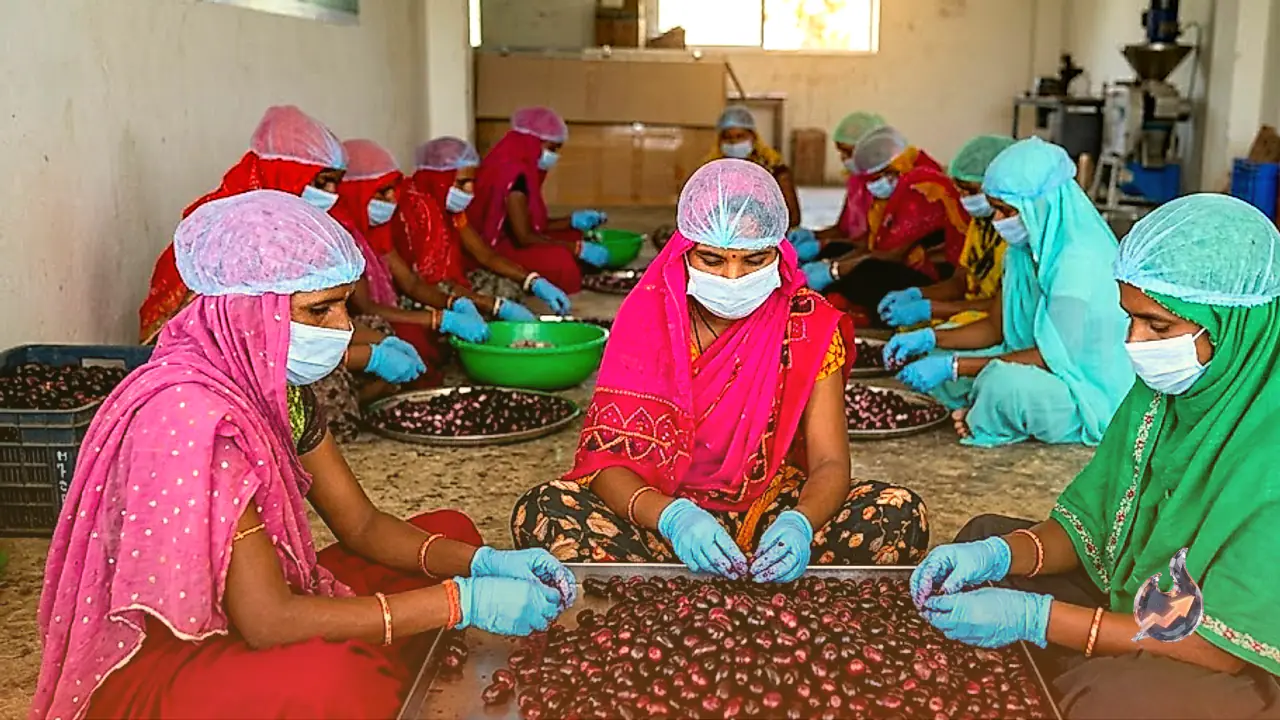
Because it is currently the peak season for the fruit, the facility is operating at maximum capacity to process large quantities of jamun. The workflow begins with the women venturing into the surrounding forests and local areas to carefully forage and collect the fresh fruit. Once brought to the facility, the produce undergoes a rigorous cleaning process. Maintaining strict hygiene standards is a top priority; the women wear specialized gloves to manually extract the seeds from each individual fruit. Following the destoning phase, the pulp is transferred to modern machinery that efficiently converts it into a smooth paste. This finished paste is then carefully packed and stored in deep-freeze units to maintain its freshness, before being shipped to various states across the country, including a large market in Gujarat.
Ending the Cycle of Uncertain Migration
The true impact of this initiative lies in its ability to halt forced labor migration. Nanki Bai, one of the women employed at the company, shared her previous struggles. She explained that she used to travel far from Gogunda to cities like Udaipur, Pindwara, and Sirohi just to find casual work. Even after making those long journeys, there was never any guarantee that she would secure employment for the day. Having a permanent job right in her village means she can now stay close to her family while effortlessly managing all household expenses without the constant anxiety of displacement.
Funding Education and Gaining Confidence
The influx of a dependable income has significantly shifted traditional gender roles within the households. Sugna Garasiya, another worker at the facility, noted that women whose lives were previously restricted solely to domestic chores are now emerging as financially strong contributors. The earnings generated from the fruit processing are being actively invested back into their families. The women are using their salaries to fund their children's education, cover daily household expenses, and fulfill other essential needs. This newfound purchasing power has visibly boosted their confidence, inspiring many other women in the village to step forward and join the workforce.
Expanding Beyond a Single Season
The enterprise is strategically designed to maximize the value of every part of the harvest. Mukesh Kumar Ojha, the operator of Stri Sakhi Agro Food, pointed out that the processed jamun is used to manufacture a wide variety of food products. Furthermore, nothing goes to waste; the extracted seeds are highly valued and supplied for the production of medicines used in diabetes management. To ensure that the women have year-round employment, Ojha confirmed that the facility does not rely solely on one crop. The company actively processes other seasonal fruits as they become available, creating a continuous cycle of value-added products. This comprehensive approach to local agriculture has turned the women of Gogunda into vital pillars of their community's economic strength.