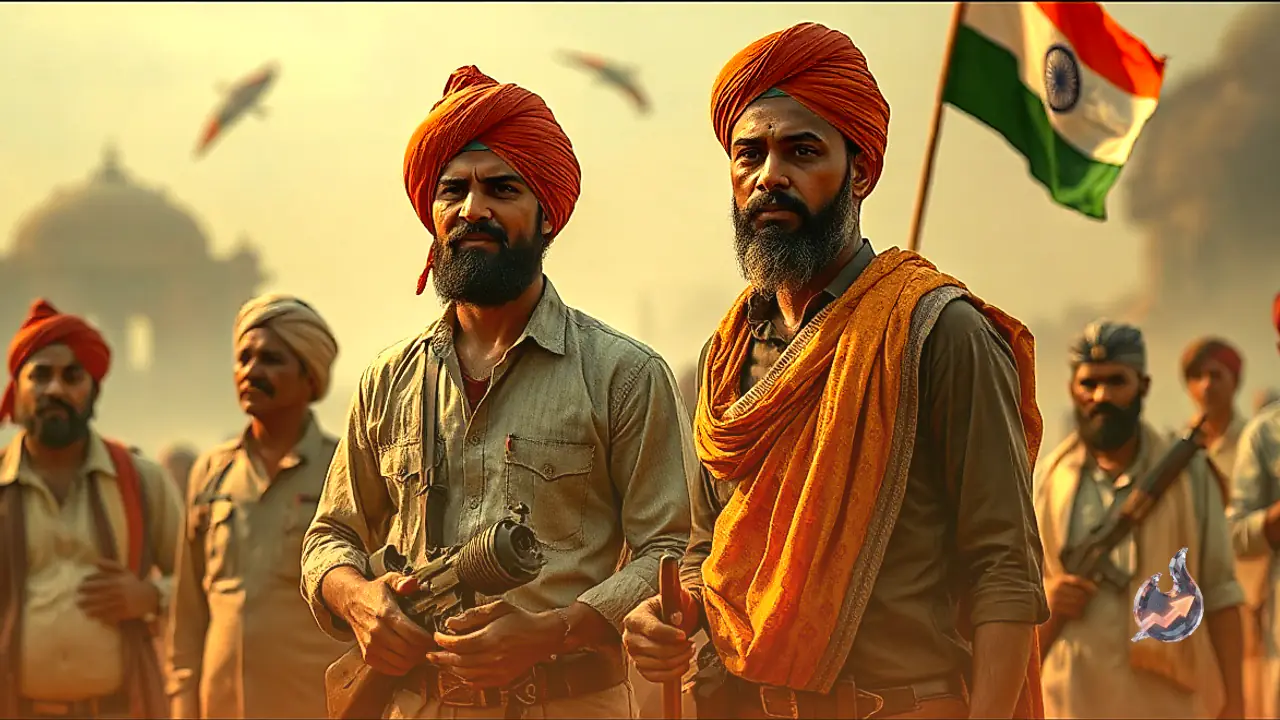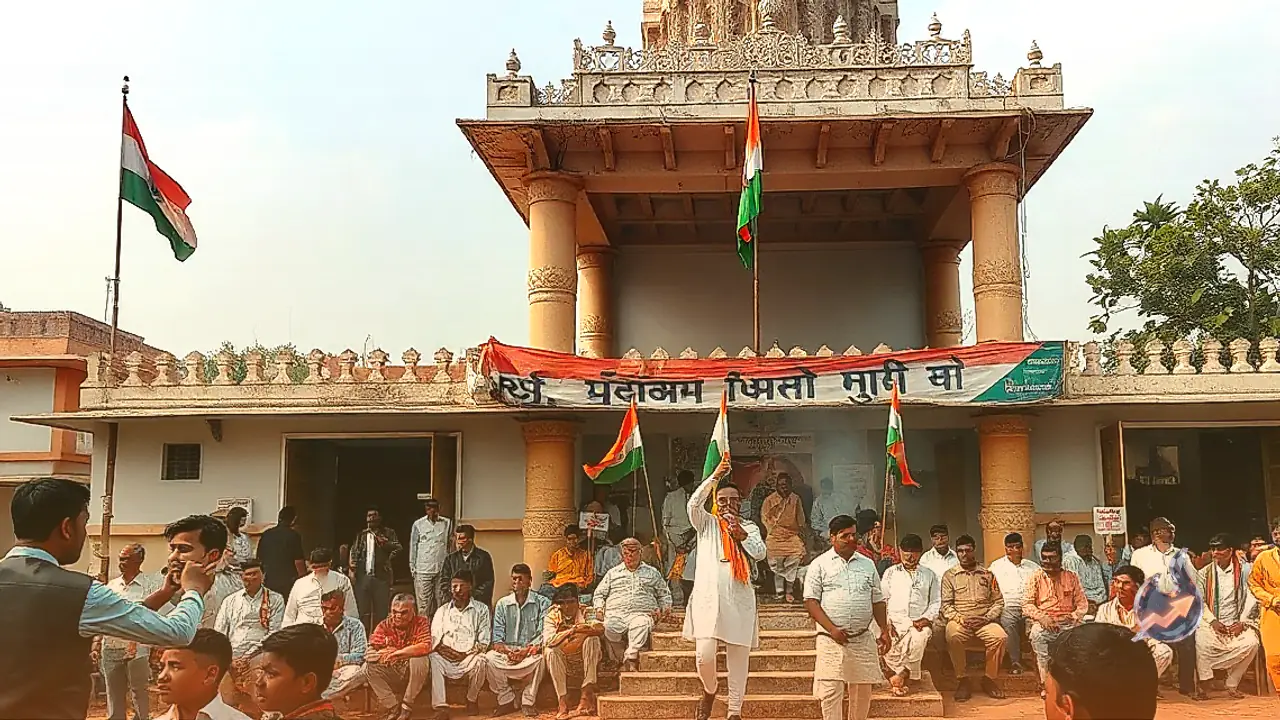


















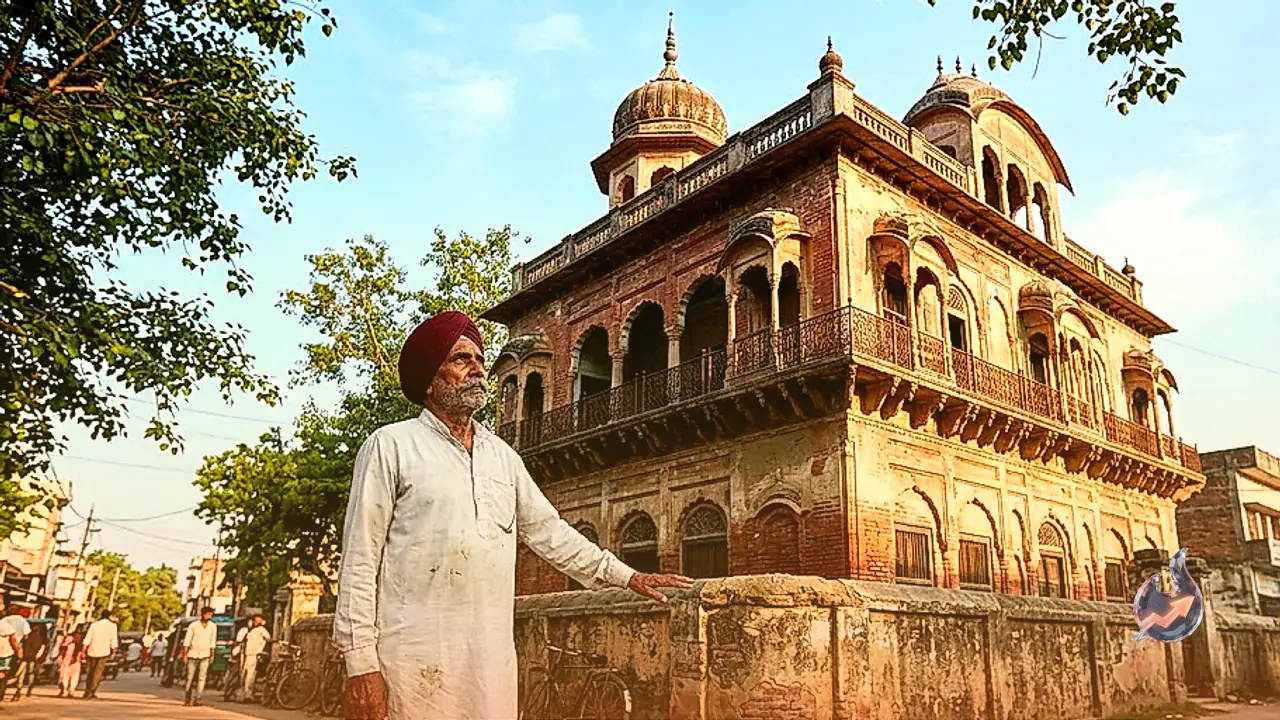

Located in the heart of Bahraich city in Uttar Pradesh, the Pitambar Tower Hawa Mahal is far more than an ancient masonry structure. It represents a proud legacy of defiance and self-respect forged during the height of British colonial rule. Popularly known as the Maqbool Club, this nearly century-old landmark stands as a testament to the era when local citizens and legal professionals rejected colonial racial discrimination through unity and self-reliance. As the nation reflects on its freedom struggles around August 15, this historical site highlights both the triumph of anti-colonial pride and the pressing need for architectural conservation.
Defying Colonial Discrimination with Indigenous Self-Respect
The origins of this historic club trace back to the 1930s. During this period, the British administration constructed the Station Club in Bahraich to cater to the sports and recreational needs of colonial officers. Driven by racial prejudice, the administration explicitly barred Indian lawyers and local residents from entering the premises. Refusing to submit to this public humiliation, the Indian legal fraternity chose the path of dignity. Rather than appealing to colonial authorities, they resolved to build an independent club that would rival and exceed the British facility in both grandeur and aesthetic appeal.
Royal Patronage and the Birth of Maqbool Club in 1933
The vision of the local lawyers gained vital support from regional princely states. The Raja of Nanpara and the Raja of Bhinga played instrumental roles in realizing the project, with the Raja of Bhinga providing substantial financial resources and material backing for its construction. By 1933, the elegant Pitambar Tower Hawa Mahal was fully completed and officially named Maqbool Club. Within its premises, Indian lawyers gathered to play table tennis, badminton, and other recreational games with full dignity. More importantly, the club emerged as a discrete venue where legal professionals and freedom fighters formulated strategic plans for the national independence movement.
Sustainable Ancient Craftsmanship and Decades of Leadership
Unlike modern concrete structures that often deteriorate within a few decades, this nearly 100-year-old building remains structurally intact without any sign of distress. The secret to its remarkable durability lies in its traditional organic construction materials. The building was constructed entirely without modern cement, relying instead on a specially formulated blend of lime, wood apple syrup (Bael juice), ash, and morrum (coarse river sand). The complex features 12 spacious rooms, a large central gathering hall, an elevated tower, and surrounding green vegetation. Over the decades, the club has been guided by distinguished legal figures. Lawyer Bhandari served as its founding president, followed by Ballu Ram Shukla, Bachchan Singh, Kalia, and currently Devendra Singh.
Five Decades of Dedicated Stewardship and the Call for Preservation
Beyond its political and architectural significance, the Hawa Mahal represents a deep familial connection. Since 1971, a dedicated employee named Anees Ahmad and his family have continuously cared for the historic site, carrying forward the caretaker duties passed down from earlier generations. Despite its resilient core, the structure currently suffers from institutional neglect. While the foundational frame remains solid, lack of timely maintenance risks subjecting Bahraich to the loss of a vital heritage asset. Preserving this symbol of anti-colonial pride and restoring its former glory is an essential tribute to the spirit of national independence.