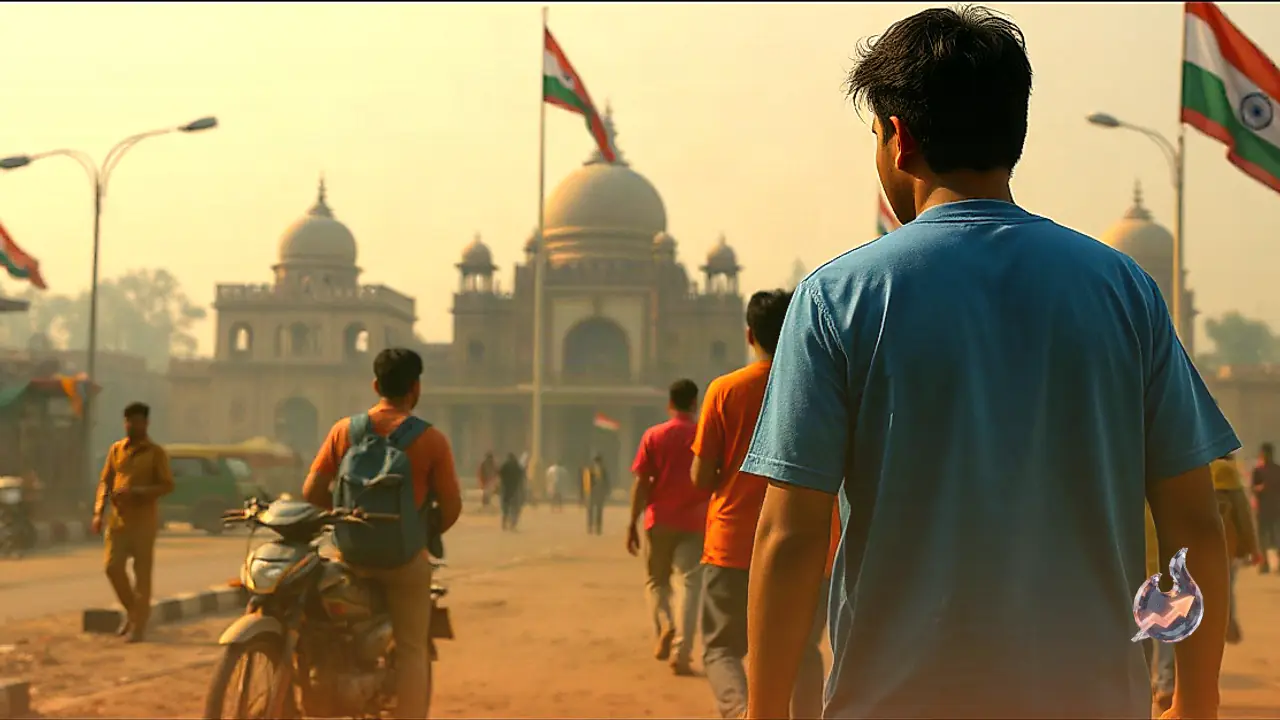

















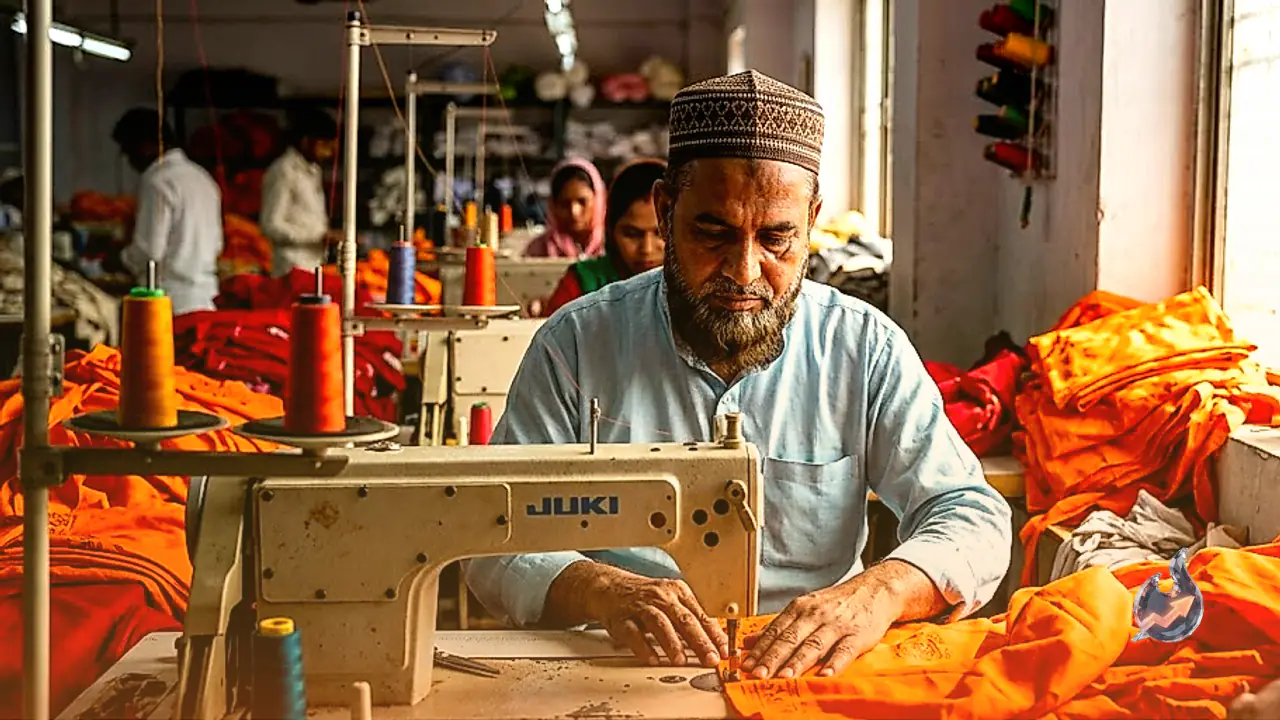

The city of Saharanpur in Uttar Pradesh is once again demonstrating its long-standing tradition of communal harmony as preparations for the annual Kanwar Yatra reach their absolute peak. As the holy month of Sawan begins, the local markets are completely immersed in a vibrant festive spirit. The streets of the city are awash in bright hues, signaling the start of a massive logistical and cultural religious event. At the heart of this extensive preparation are the city's numerous hosiery factories, which are currently operating day and night to meet the soaring demand. Interestingly, the dedicated workforce driving this intense production consists largely of Muslim artisans. These skilled workers are investing their time and energy to stitch the specialized garments worn by Hindu devotees, who undertake the arduous foot pilgrimage to collect sacred river water to honor Lord Shiva.
A Thriving Local Industry Fuelled by Faith
The demand for these religious garments has seen a continuous surge, prompting local workshops to race against time to fulfill massive orders. The scale of the manufacturing process is massive, with hundreds of thousands of individual pieces being produced every single year. The artisans do not wait for the festival to begin; the intricate preparation, cutting, and stitching processes kick off almost two months before the Kanwar Yatra officially commences. While the traditional saffron remains the most iconic and popular choice for the pilgrims, the factories have diversified their output significantly. Today, the devotees can choose from a wide palette of colors, including white, black, yellow, and various other striking shades. Furthermore, the industry thrives on innovation, ensuring that fresh, updated designs are introduced into the market annually to cater to the evolving aesthetic preferences of the buyers.
Weaving Threads of Unity and Respect
For the Muslim craftsmen involved in this massive undertaking, stitching the Kanwar dresses is far more than just a seasonal business opportunity or a means of earning a livelihood. The workers view their labor as a profound expression of mutual trust, deep respect, and social unity. They pour immense dedication, honesty, and genuine reverence into creating the garments that the devotees will wear during their sacred and physically demanding journey. This ongoing collaborative effort acts as a strong, positive beacon of unity. It clearly demonstrates how shared cultural participation can foster deep bonds, offering a powerful counter-narrative against individuals or groups who attempt to spread hatred or divide the society along religious lines.
Fifteen Years of Dedicated Craftsmanship
Farman Ahmad, a prominent local dress manufacturer deeply embedded in the Saharanpur hosiery sector, perfectly embodies this spirit of cross-cultural collaboration. He has been actively involved in producing these specialized religious garments for the past 15 years, having officially started his manufacturing venture back in the year 2010. Over the last decade and a half, his workshop has evolved tremendously to keep up with changing market trends. Today, his factory boasts an impressive catalog, currently offering approximately 50 distinct designs tailored specifically for the Shiva devotees participating in the yatra.
"It feels great that devotees go to fetch Ganges water wearing the dresses made by us," Ahmad stated, expressing his pride in contributing to the sacred pilgrimage.
Ahmad further emphasized the unique social fabric of his hometown. He noted that Saharanpur has historically served as a shining symbol of Hindu-Muslim brotherhood. In his community, individuals belonging to various religious backgrounds reside together in complete harmony, ensuring that every major festival is celebrated collectively with shared joy and mutual enthusiasm.