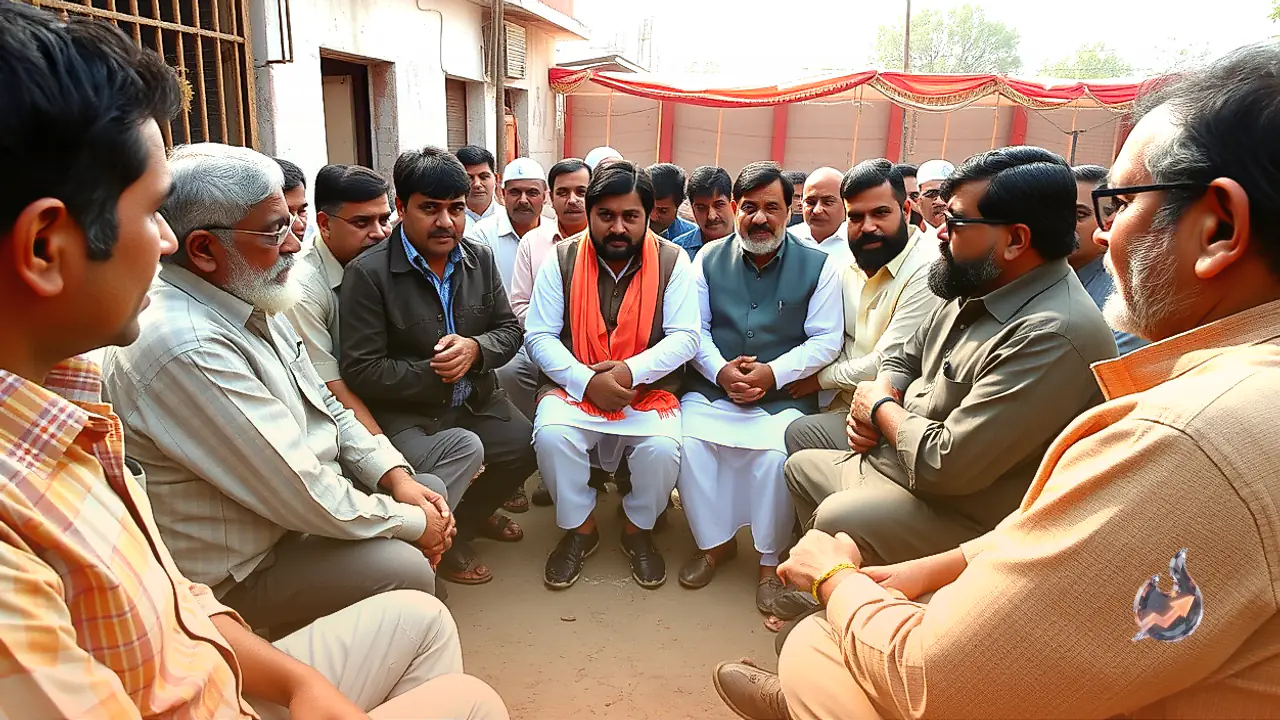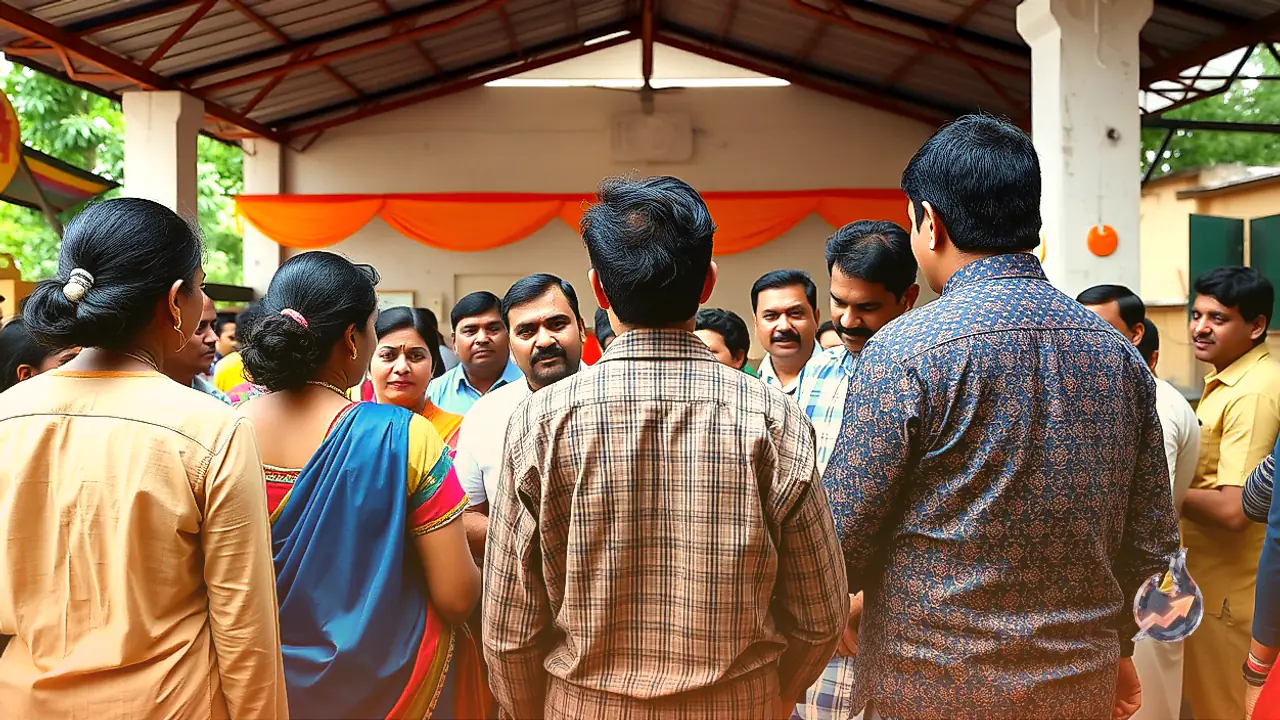
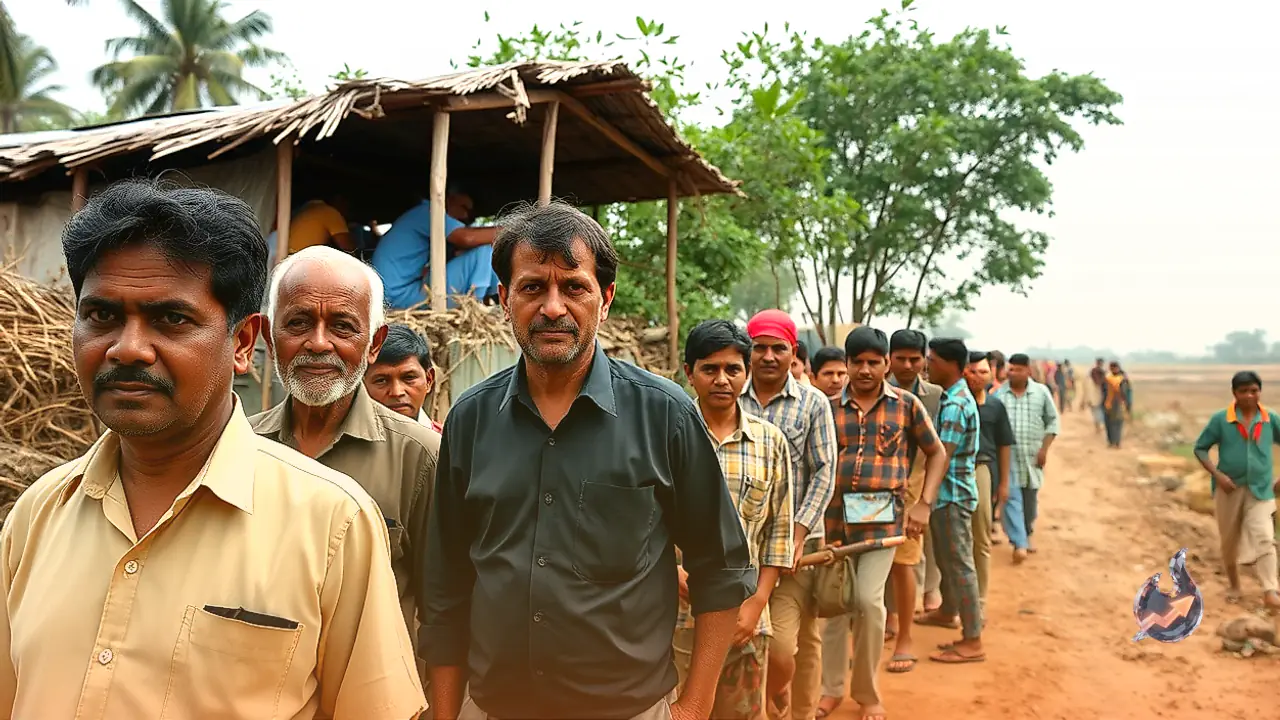
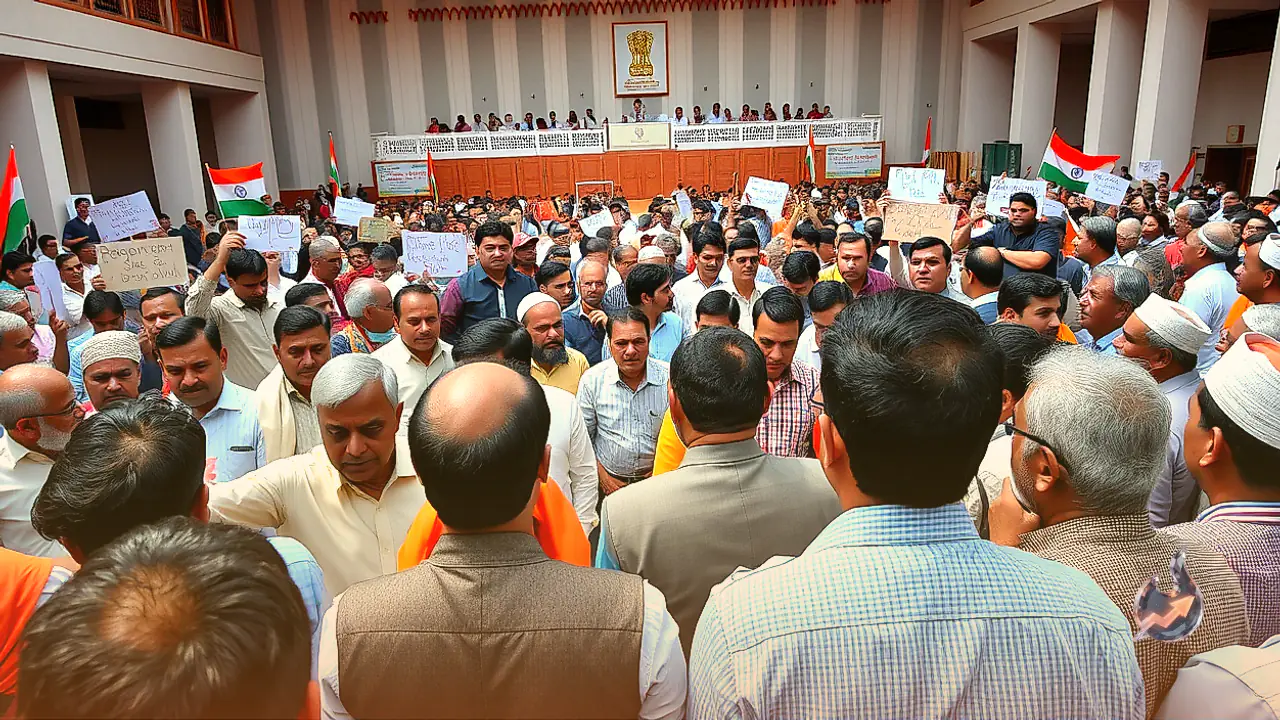














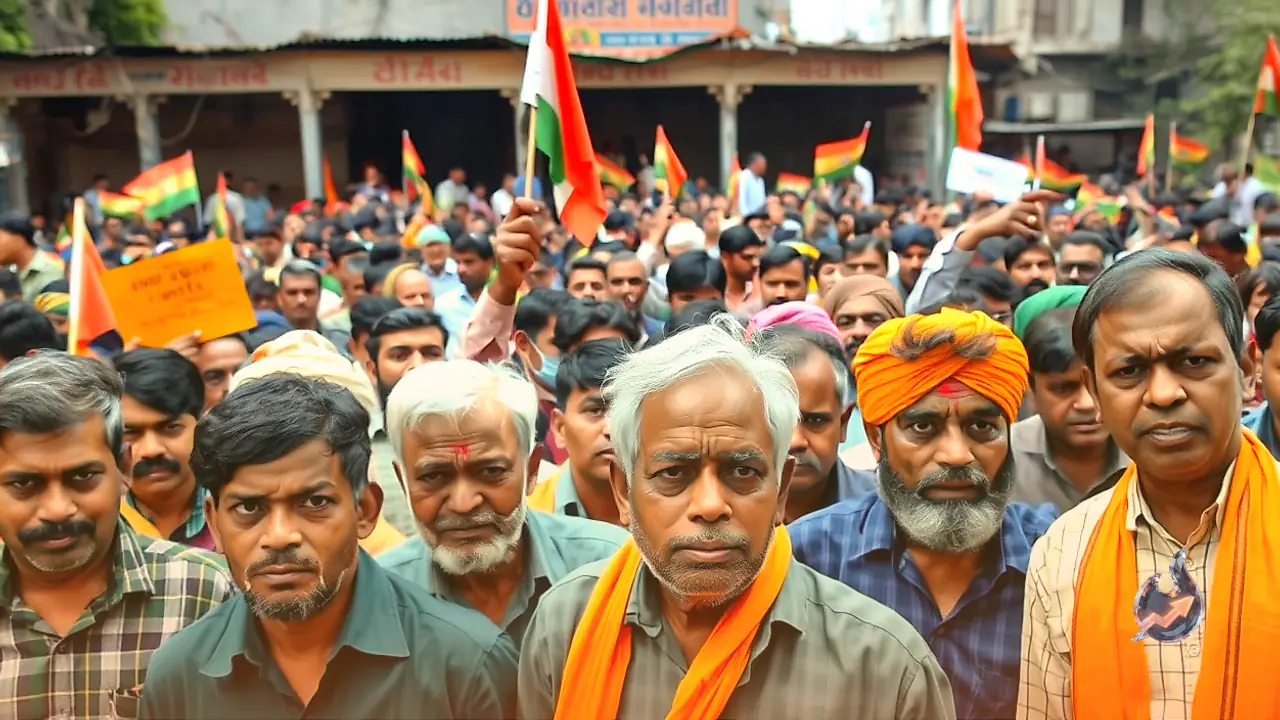

Internal dissent has surfaced within the Suheldev Bharatiya Samaj Party as election preparations pick up pace across Uttar Pradesh. The party suffered a significant setback in Chandauli district on Tuesday when dozens of active workers alongside several key functionaries announced their collective resignations, protesting against the party leadership headed by Om Prakash Rajbhar. The wave of departures highlights growing friction among ground-level workers in the crucial Purvanchal region.
Ground-Level Discontent in Chandauli
The sudden fallout in Chandauli reflects deep frustration among grassroots party cadres over organizational priorities. Departing members expressed dissatisfaction with internal decision-making, questioning how ground-level workers are treated as political strategies shift. With regional factions gearing up for the upcoming assembly contest, losing dozens of seasoned functionaries in an eastern district poses immediate organizational challenges for the party machinery.
Seat Bargaining and Internal Friction
The resignations coincide with ambitious posturing by the SBSP within the National Democratic Alliance, where it has formally laid claim to 33 assembly seats for the 2027 elections. Party leadership has actively inducted local leaders from partner factions to consolidate leverage, while staking claims on nine constituencies contested by the Bharatiya Janata Party and two held by the Nishad Party. The party chief has also sparked broader regional debates by advocating for a separate Purvanchal state led by a chief minister from the Rajbhar community.
Administrative Commitments and Election Hurdles
Handling the Panchayati Raj portfolio in the state cabinet, Rajbhar recently confirmed administrative readiness to conduct panchayat elections ahead of January 15 following directions from the Allahabad High Court. While he continues to critique opposition alliances and highlight historical rivalries between rival camps, managing domestic disaffection remains his most immediate test. The unrest in Chandauli demonstrates that balancing aggressive coalition demands with local cadre expectations will be vital in the months ahead.