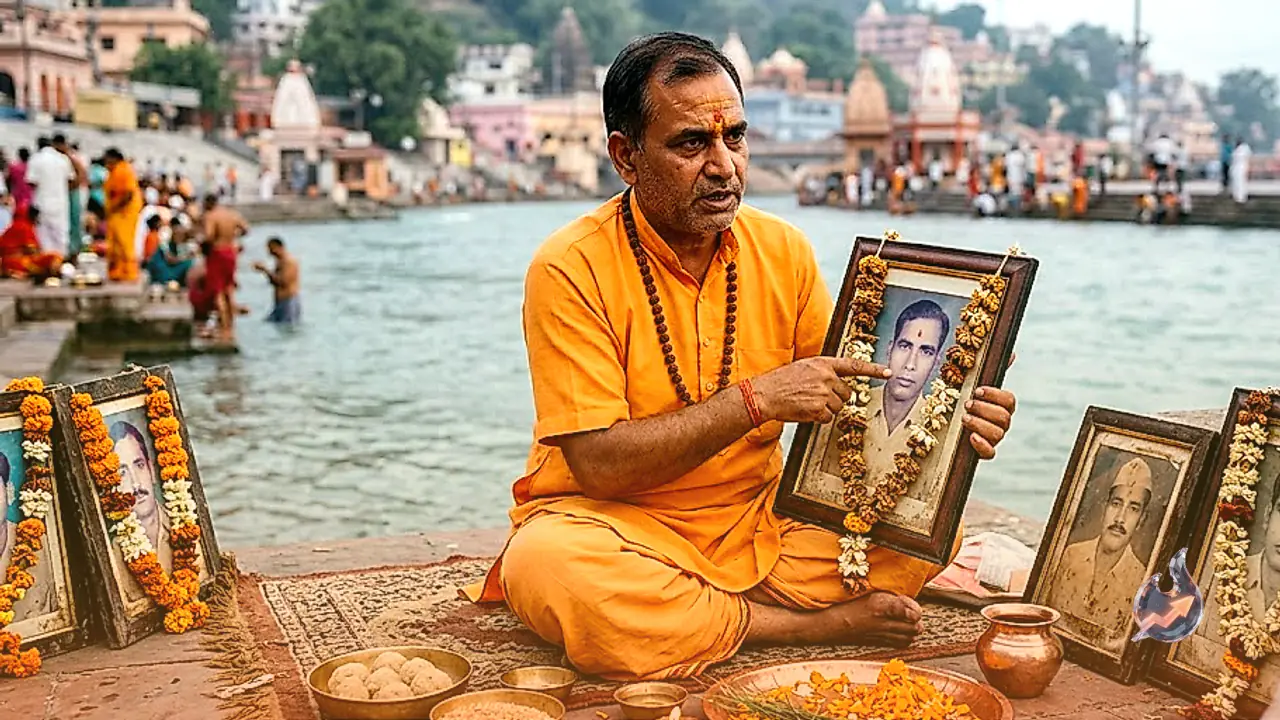























In Hindu traditions, the sixteen-day period of Pitru Paksha spanning from Bhadrapada Purnima to Ashwin Amavasya holds supreme importance for honoring departed ancestors, seeking peace for their souls, and receiving their blessings. Families undertake rituals such as Tarpan, Pind Daan, and sacred fire offerings during these sixteen days to appease their ancestors. Scriptural doctrines prescribe distinct procedures for the spiritual liberation of departed souls. If the rites for a married woman who passed away during her husband's lifetime are not conducted according to these established customs, descendants may encounter persistent obstacles, familial distress, and ancestral disharmony.
The Core Scriptural Mandate for Departed Married Women
Haridwar-based astrologer Pandit Manoj Mishra explains that women who leave this earthly realm while their husbands are still alive are revered as Saubhagyavati or Suhasini. For such maternal figures, sacred texts explicitly designate the Navami tithi of the Krishna Paksha in the month of Ashwin for Shradh rituals. When descendants perform the rite on the ordinary calendar date of their mother, grandmother, or wife's demise rather than this designated day, the spiritual effort fails to yield its intended merit according to classical doctrine.
Consequences of Disregarding the Mandated Calendar Date
Pandit Manoj Mishra notes that when Tarpan and related rites are not performed on the prescribed Navami tithi, the departed soul remains spiritually unfulfilled and may wander in restless states. This spiritual neglect leads to disruptions in auspicious family events and ceremonies for subsequent generations. Homes frequently experience unexplained disputes, lingering obstacles in daily endeavors, and recurring hurdles that hinder personal and familial progress.
Textual References and Correct Observance Procedures
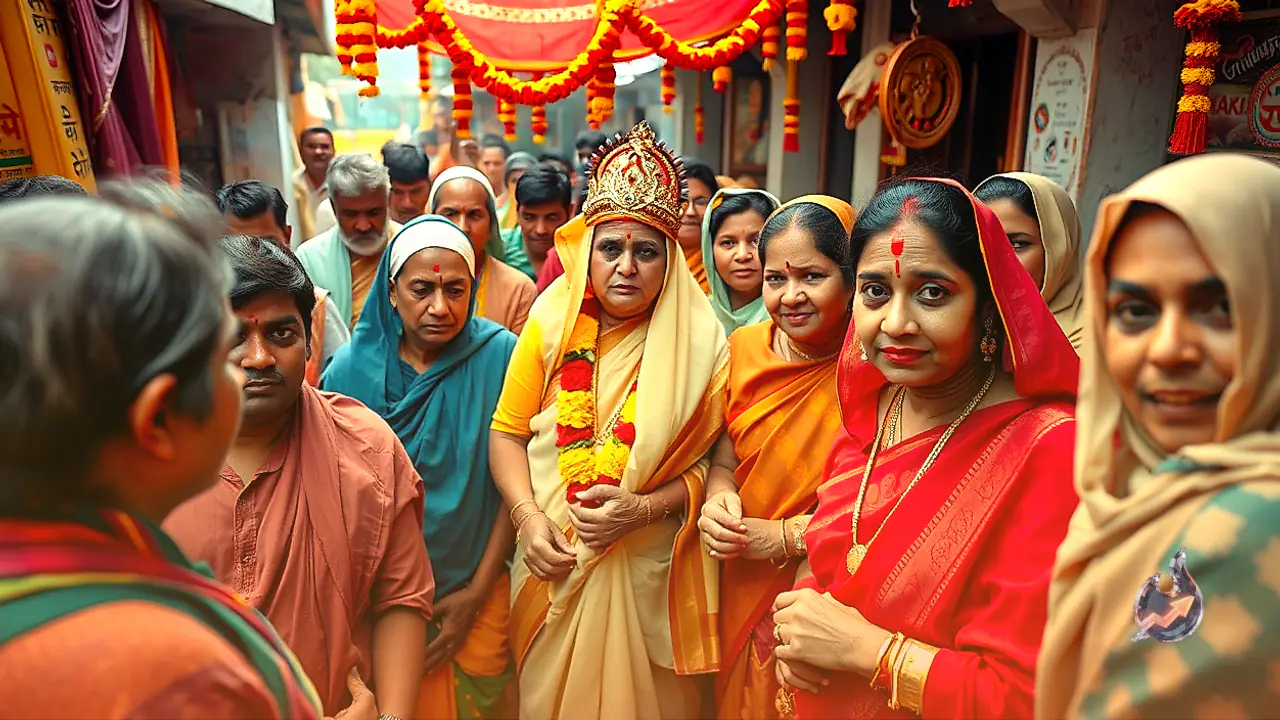
Evidence for this specific rule appears across multiple Hindu texts, with extensive documentation provided in the Garuda Purana and related sacred scriptures. Navami remains the sole appropriate date for honoring departed married matriarchs. Traditional protocol dictates performing Pind Daan and Tarpan on holy riverbanks like the Ganga, followed by offering a respectful meal to a married woman along with traditional auspicious adornment items as charitable gifts. Diligently fulfilling this observance relieves the family of maternal debts and invites peace, prosperity, and enduring good fortune to the entire household.