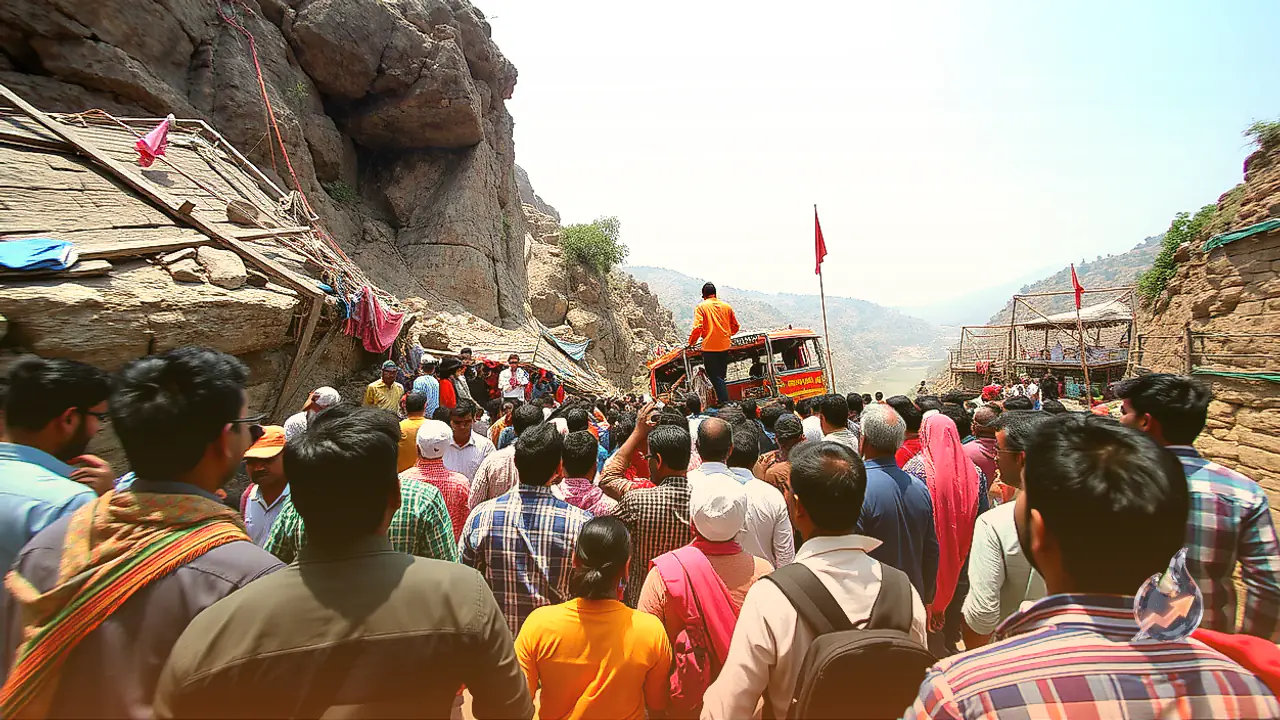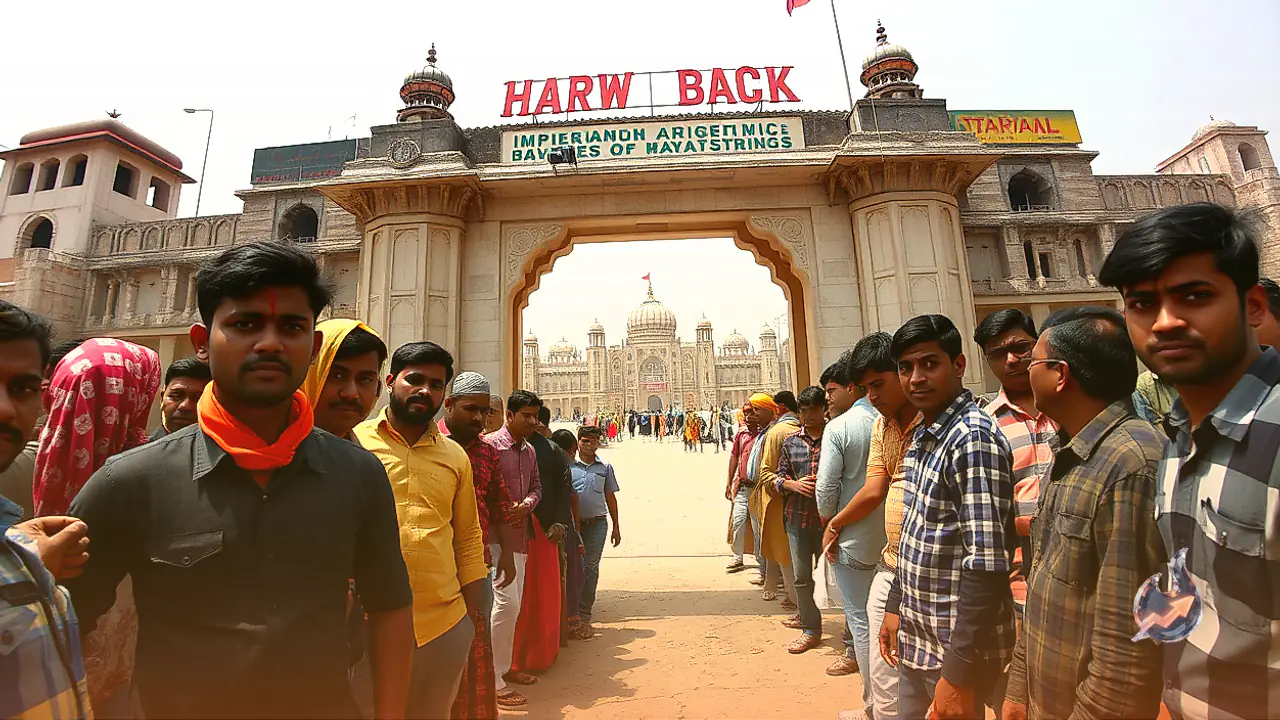

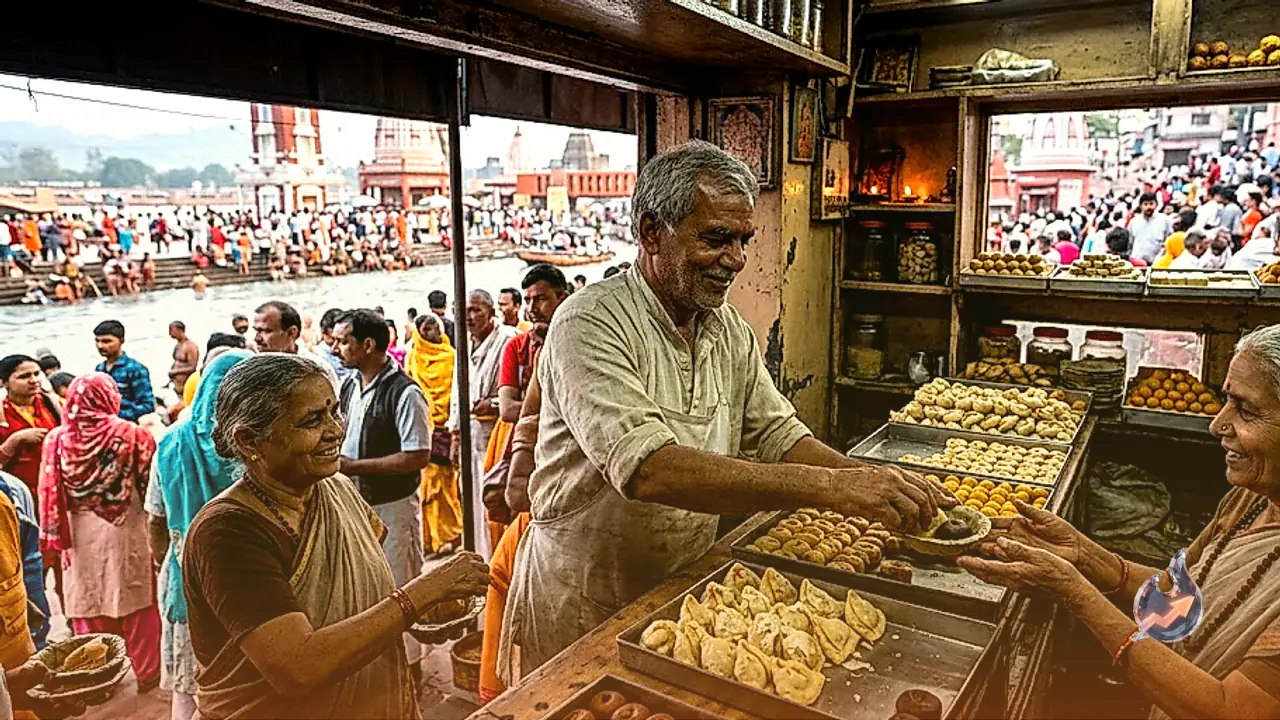

















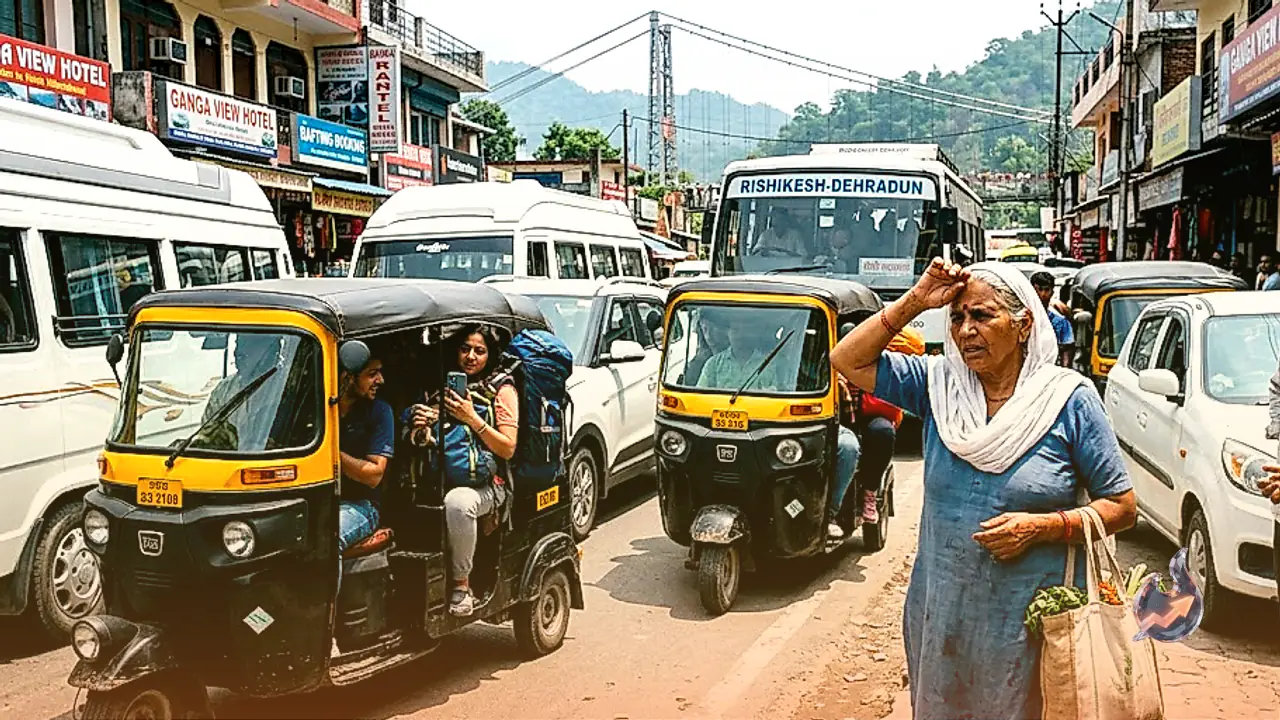

A sharp increase in weekend visitors arriving in the holy town of Rishikesh is causing severe disruptions to everyday intra-city travel. On Saturdays and Sundays, commercial centers, bustling marketplaces, and riverbank areas near the Ganga ghats experience intense congestion and foot traffic. While travelers coming from outside require auto-rickshaws, cabs, and other neighborhood vehicles to navigate the city, permanent residents find it increasingly difficult to secure transit for their daily routines. Local commuters state that drivers routinely refuse regular passengers because their vehicles are already reserved in advance for visitors. The disruption falls hardest on people who need to reach workplaces, hospitals, shopping areas, or urgent family appointments strictly on time.
Surge of Visitors From Delhi-NCR and Neighboring Areas
Over the weekend, travelers head toward Rishikesh in large numbers from locations such as Delhi, Noida, Haridwar, Dehradun, and adjacent towns across the region. Visitors book cabs and three-wheelers to access river rafting points, riverside camping locations, Ganga ghats, and prominent nearby tourist spots. With the rapid expansion of visitor volume, local transit demand rises sharply within hours. Consequently, vehicles that are readily accessible to regular commuters on standard weekdays become almost entirely occupied by visitor charters.
Protracted Waiting Times for Short Distances and Unregulated Fares
Resident Suraj Kumar pointed out that the influx of individuals arriving from outside swells dramatically during the weekend. Under these circumstances, three-wheelers and taxis are almost invariably pre-booked. Regular residents frequently cannot find any conveyance even for short travel distances, forcing them to wait beside roadways for extended intervals. The hardship is not confined merely to vehicle availability. Whenever an auto-rickshaw or taxi happens to be free, operators capitalize on weekend crowd pressures by demanding excessive fares. This creates distinct difficulties for commuters traveling only brief stretches within municipal limits. Left with few options, some passengers wait indefinitely for reasonable alternatives, while others are compelled to pay exorbitant rates simply to reach their destinations.
Calls for Municipal and Transport Authorities to Balance Transit Needs
Another local resident, Tulsi Nautiyal, observed that tourist arrivals certainly support local commercial activity and bolster the city economy. However, he emphasized that local residents also have an essential right to timely transportation for their daily chores and occupations. When drivers turn away regular local commuters on weekends due to tourist bookings, it causes widespread inconvenience across the town. Nautiyal suggested that the administration should step in and devise an organized transit mechanism that serves visiting tourists without depriving residents of basic mobility.
A substantial segment of Rishikesh's permanent population relies exclusively on auto-rickshaws and taxis to conduct daily life. Employees traveling to work, students going to educational institutions, patients visiting hospitals, and residents running daily errands need continuous access to local transit. When the bulk of available commercial vehicles shifts toward catering to weekend visitors, these daily commuters are left stranded on roadsides with long, unpredictable waiting periods.