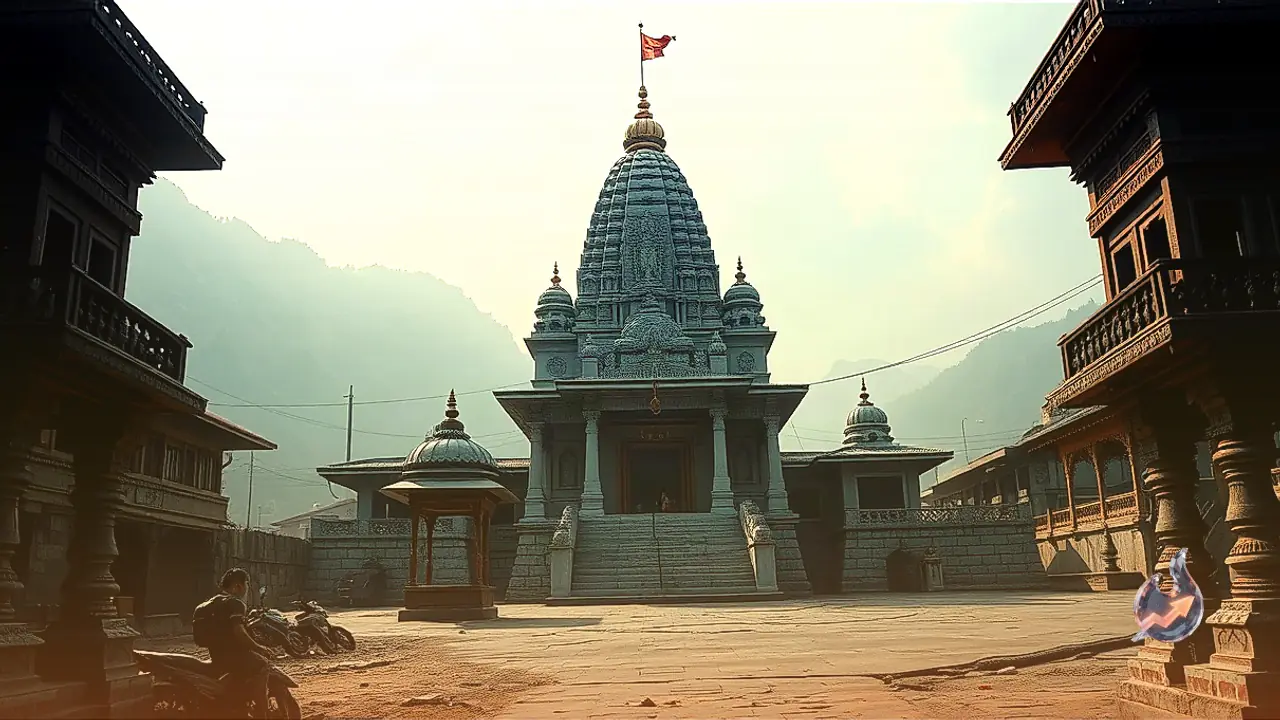


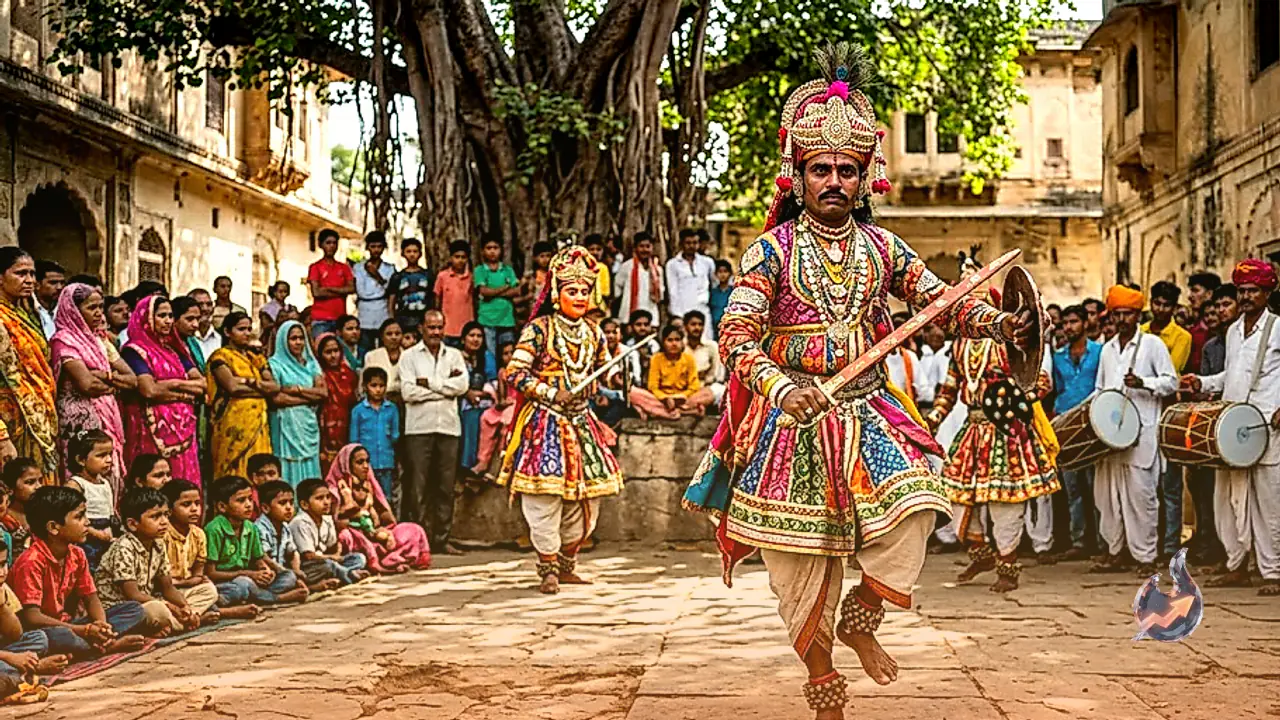
















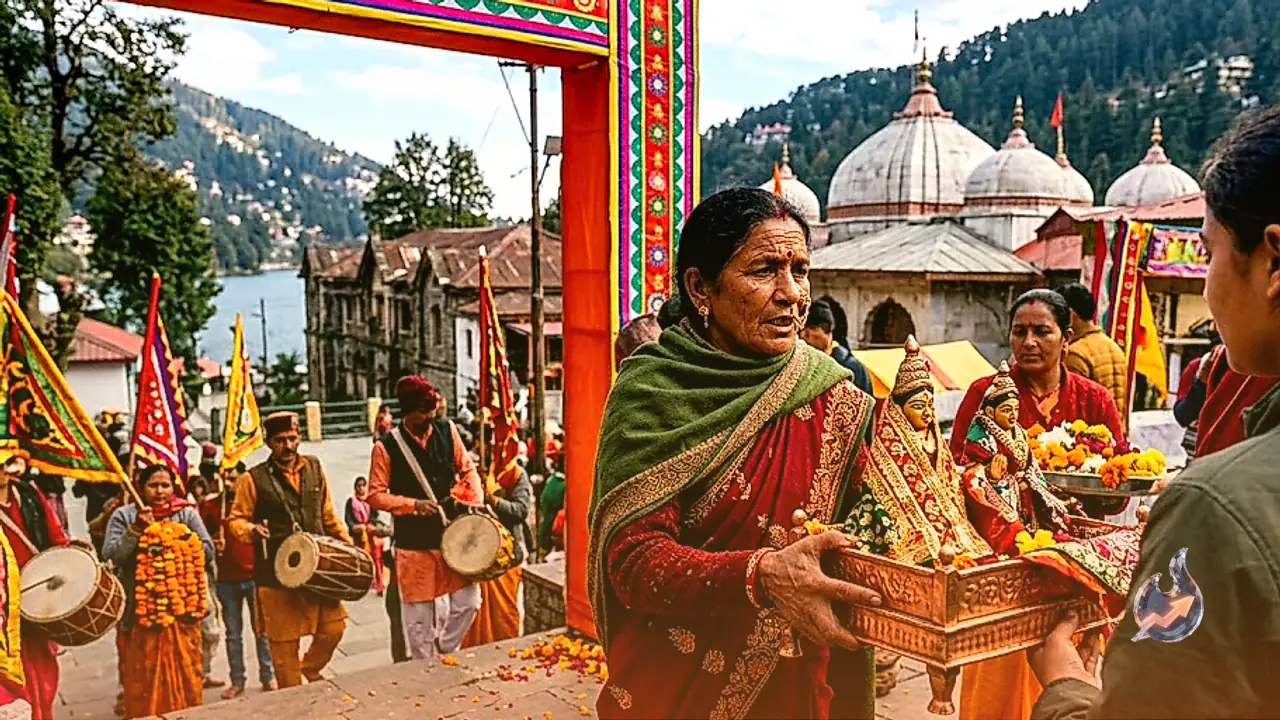

The lake city of Nainital in Uttarakhand is currently abuzz with preparations for the upcoming grand celebrations of the Maa Nanda Devi Festival. Starting from September 15, the city will witness vibrant worship rituals and religious ceremonies dedicated to Goddesses Nanda and Sunanda. Throughout this grand festival, thousands of devoted pilgrims travel to Nainital to seek blessings and catch a glimpse of both deities. Amidst these festivities, a common question often arises among visitors regarding whether the presiding deity of Nainital, Maa Naina Devi, and goddesses Nanda-Sunanda are the same entity. According to ancient local traditions and religious scriptures, their legends, divine forms, and worship practices are entirely distinct from one another. The origins of the Naina Devi Temple in Nainital are closely tied to the mythological legend of Mata Sati. According to sacred texts, after Mata Sati sacrificed her mortal body, Lord Shiva wandered across the universe carrying her remains. To restore cosmic balance, Lord Vishnu used his Sudarshan Chakra to dismember Sati's body into multiple parts. Legend states that the left eye of Mata Sati fell right here in Nainital. Because of this sacred event, Maa Naina Devi is worshipped at this site as a revered Shakti Pith.
The Legend and Shrine of Naina Devi
Temple priest Basant Ballabh Pandey explains that Naina Devi and Nanda Devi originate from completely separate religious traditions. He notes that while Nainital marks the spot where Mata Sati's left eye fell, her right eye is believed to have landed in Kangra, Himachal Pradesh. Over time, the tradition of establishing a Shakti Pith developed at both locations. In fact, the very name of the city of Nainital is derived from the name of Maa Naina. Inside the sanctum sanctorum of the temple, worshippers offer prayers to the eye form of the goddess. Additionally, the sacred chamber houses idols of Goddess Kali and Lord Ganesh, adding to the spiritual ambiance of the shrine.
The Cultural Significance of Nanda-Sunanda
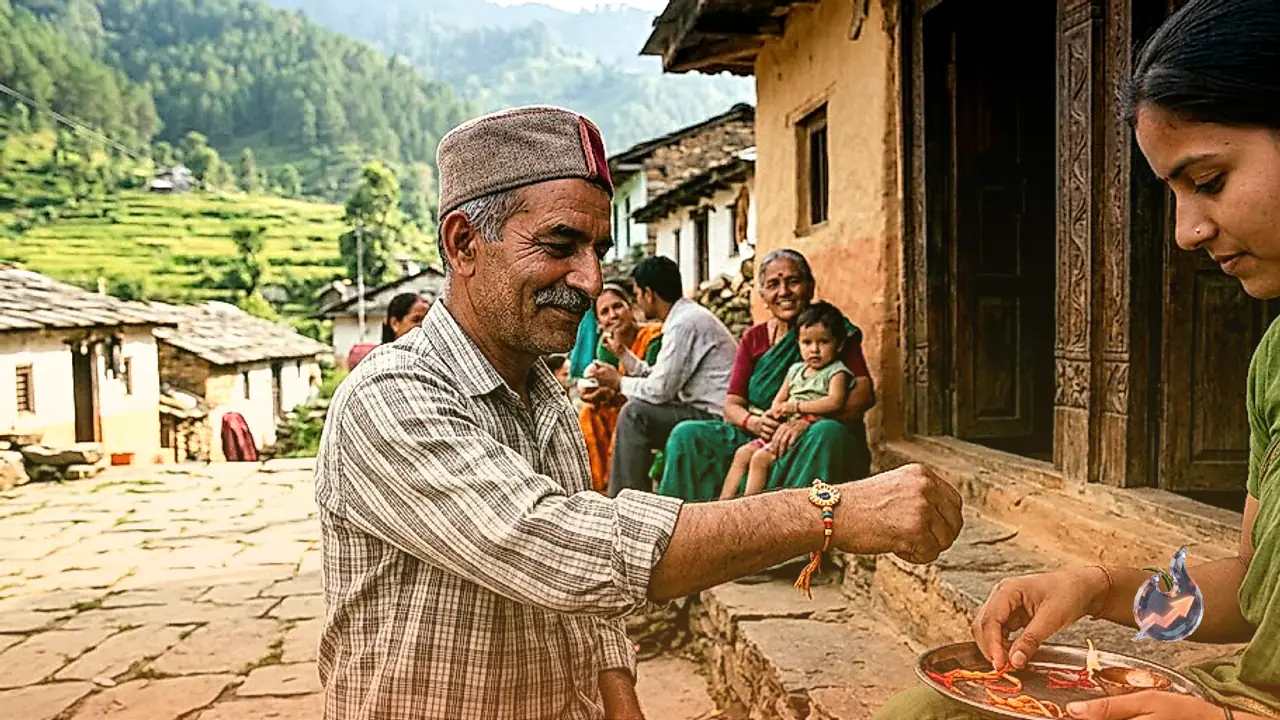
In contrast, the reverence for Goddesses Nanda and Sunanda is deeply interwoven with the folk culture and spiritual faith of Uttarakhand. Across various regions of Kumaon and Garhwal, Maa Nanda is venerated as the daughter of the Himalayas, a supreme protector, and a personal family deity. Religious traditions also link her divine form to Goddess पार्वती. The practice of worshipping Sunanda alongside Nanda holds unique cultural significance, as local folklore views the two goddesses as devoted sisters. During the auspicious occasion of Bhadrapad Shukla Ashtami, special prayers are offered to Nanda and Sunanda throughout the Kumaon region. Maa Nanda is also invoked under majestic forms such as Rajrajेश्वरी and Nandani. Dr. Lalit Tiwari, an official with the Sri Ram Sewak Sabha, points out that while Maa Naina Devi is a prominent local Shakti of Nainital, Maa Nanda is widely revered across Uttarakhand as a supreme presiding deity and Rajrajेश्वरी. The Nanda Devi Festival in Nainital serves as a vital celebration of this enduring folk faith and centuries-old tradition.
Historical Roots and the Chand Dynasty
The historical roots of worshipping Maa Nanda trace back to the era of the Chand dynasty in Kumaon. According to historical records, King Baz Bahadur Chand established the worship of Nanda Devi in Almora in the year 1617. For generations, Maa Nanda has been honored as the patron goddess and clan deity of the Chand rulers. Meanwhile, the grand Nanda Devi Festival in Nainital was first initiated in 1902 through the dedicated efforts of Motiram Sah. For over a century, this grand annual celebration has remained an integral part of the religious and cultural identity of Nainital.
The Connection with Naini Lake
Local folklore surrounding Maa Naina Devi also links the famous Naini Lake of Nainital directly to Mata Sati. It is believed that the holy lake was formed from the divine eye of Mata Sati and the sacred tears that flowed from it. This legendary origin makes Nainital a unique meeting point of profound religious devotion and breathtaking natural beauty. Thus, while the worship of Maa Naina Devi and Maa-Sunanda stems from different traditions, both remain essential pillars of Uttarakhand's spiritual heritage. On one hand, Naina Devi embodies the energy of a Shakti Pith linked to the eyes of Sati, while Nanda-Sunanda represents the soul of the Himalayas, local folklore, and regional devotion. This rich diversity is what makes the culture of Nainital and the entire Kumaon region truly extraordinary.