
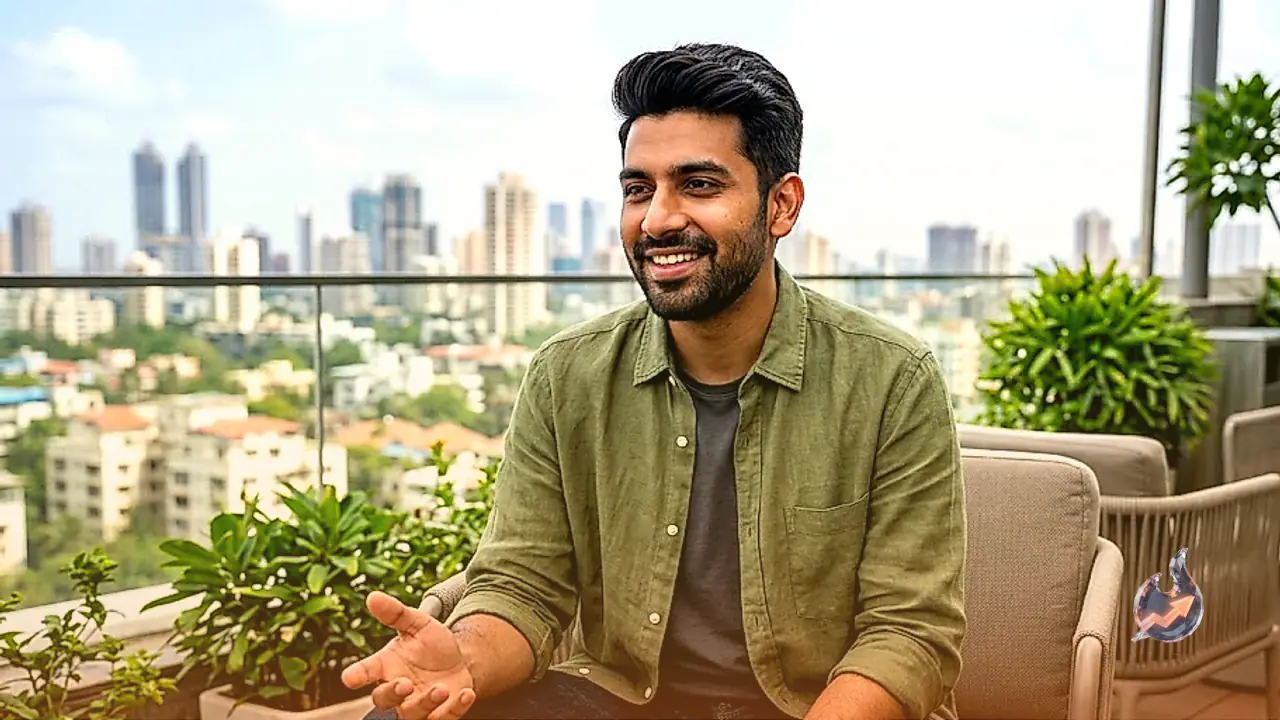
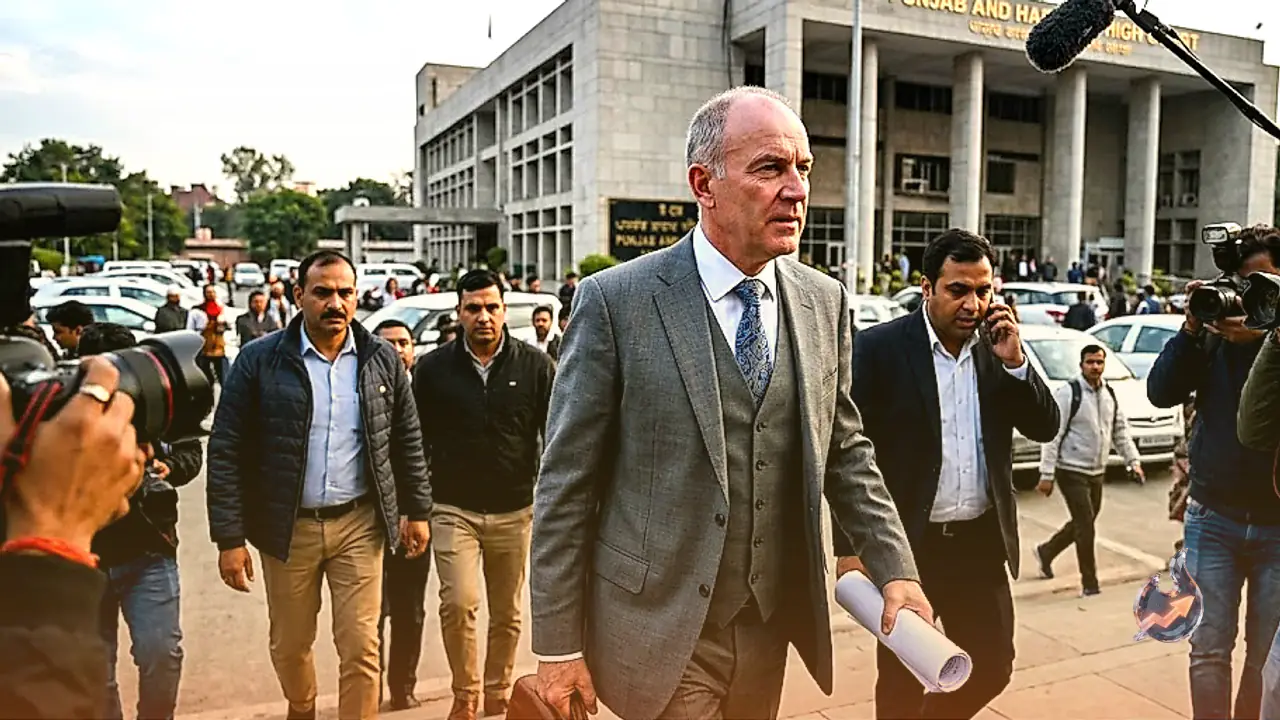

















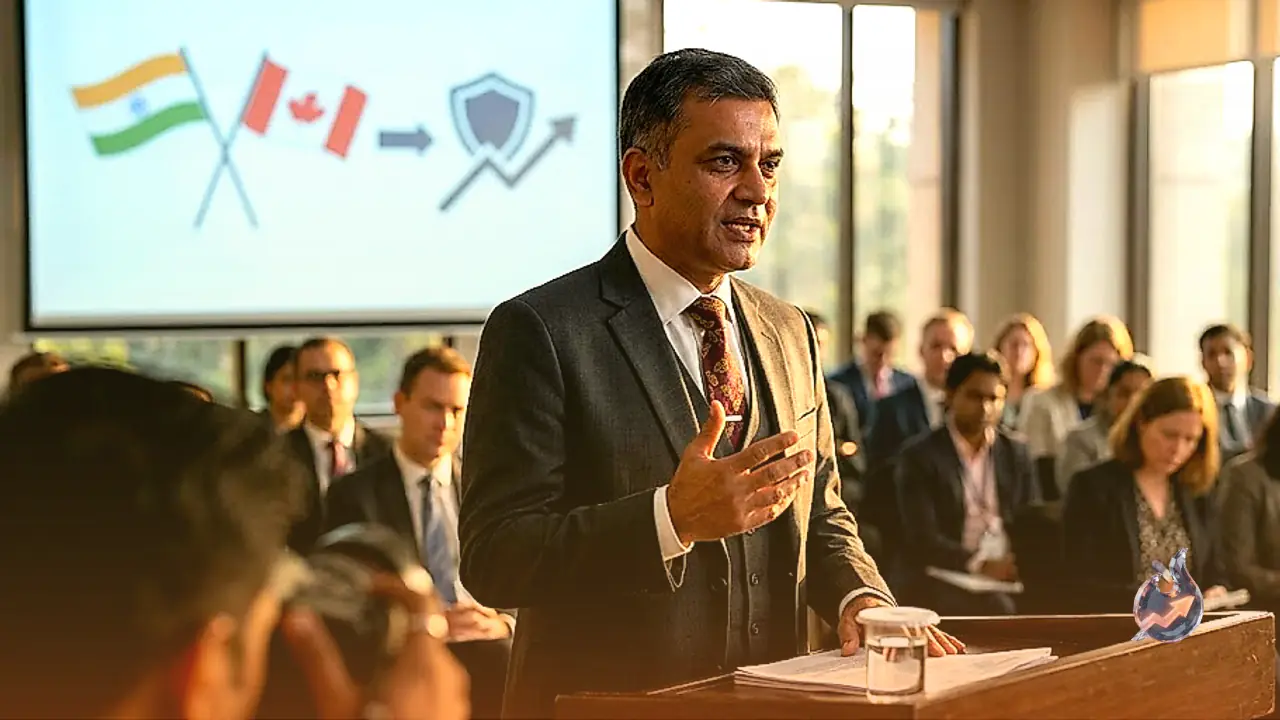

Sanjay Kumar Verma, who served as India's High Commissioner to Canada, has floated a two part institutional fix meant to stop isolated incidents from derailing the wider India-Canada relationship, arguing that ties are already on the mend and need to keep moving in that direction. Speaking in Patna, Bihar, on July 18, Verma said sustained dialogue is what keeps small frictions from spilling into a full diplomatic rupture. "Whenever tension arises in dialogue and both sides stop talking to each other, even the best of relationships gets ruined," he said.
A two layer safety net for the relationship
The first idea Verma has put forward is what he calls "ring-fencing". The concept is simple: build a boundary around the core bilateral relationship so that events happening outside it cannot automatically spill over and damage ties, at least not before both governments have had a chance to talk things through first. His second proposal is what he terms an "advance warning system", essentially a standing institutional channel between New Delhi and Ottawa where either side could flag a brewing problem well before it turns into a public standoff. He described it as a forum where a concern could be raised early enough for both capitals to examine it together, rather than letting it fester until it becomes a crisis. Verma's argument is that if both mechanisms are set up, the two countries could largely insulate their day to day bilateral business from unrelated disruptions, freeing the relationship to keep expanding into new areas of cooperation instead of being repeatedly derailed.
Answering the fallout from Hardeep Singh Nijjar's killing
Verma also addressed the diplomatic standoff that followed the killing of Hardeep Singh Nijjar, stressing that India rejects transnational organised crime outright and is a member of every major global body where the issue is discussed. He said New Delhi has consistently maintained that it has no role in such activity and has never turned down a request for cooperation once it came backed by credible legal evidence. His complaint was that investigating allegations built on what he described as an invented narrative simply drains resources, and he framed India as a country that functions strictly through the rule of law rather than through unverified claims.
Trust rebuilding since Modi's Canada visit
On the broader state of ties, Verma acknowledged that a genuine trust deficit had existed earlier but said the picture has improved markedly since Prime Minister Narendra Modi visited Canada last year. He said the level of confidence between the two sides today is noticeably higher than it was at the time he and his fellow diplomats returned to India, and he treated that rebuilt trust as the clearest measure of how far the relationship has actually travelled since the low point.
Operation Hard Ball and the charges against Bishnoi and Brar
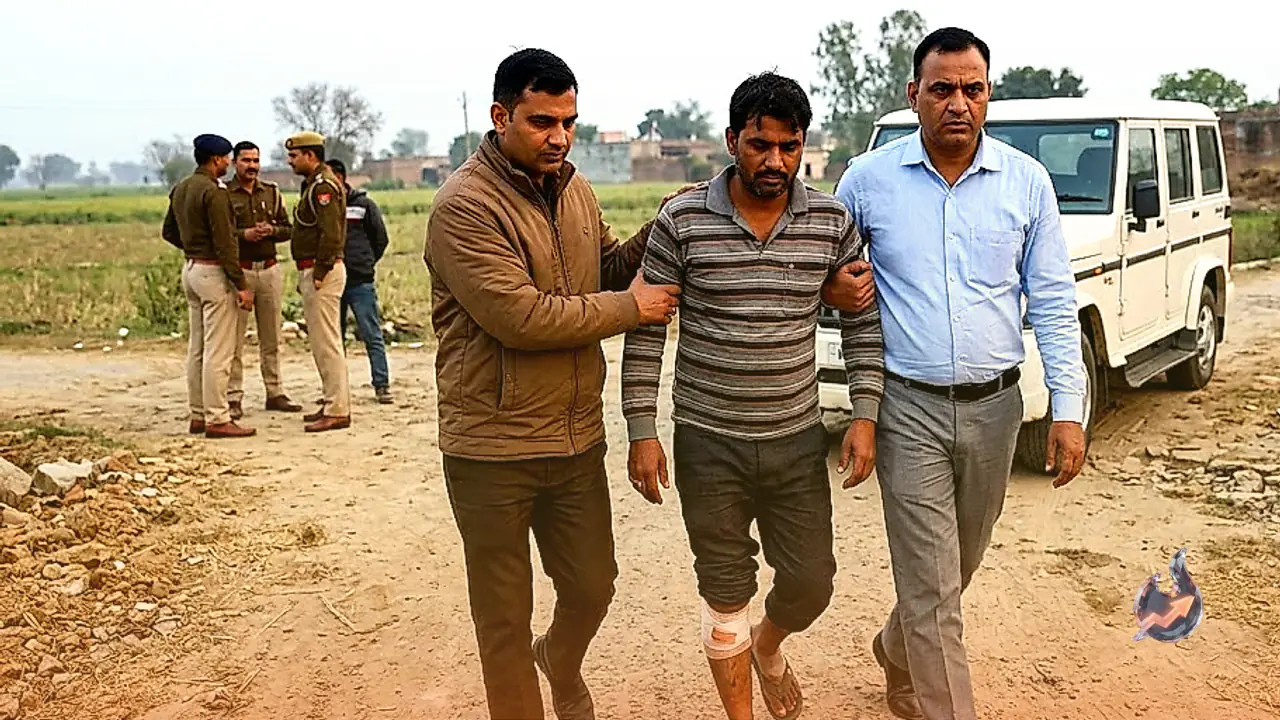
Verma also pointed to the US-led "Operation Hard Ball" crackdown on Indian crime syndicates as evidence that India has cooperated fully on cross-border investigations, working alongside the United States, Canada and several European countries on the probe. He dismissed suggestions that India had failed to cooperate as baseless and wrong. The US Attorney's Office describes Operation Hard Ball as the outcome of a years-long FBI investigation into Indian crime networks accused of racketeering, targeted killings, shootings, extortion and the trafficking of large volumes of narcotics across international borders, crimes it says have hit the Indian diaspora especially hard. Separately, the US Justice Department has charged Lawrence Bishnoi and Goldy Brar, calling them the men who ordered Nijjar's killing in Surrey, British Columbia, back in June 2023, and it has also announced charges against 37 defendants tied to transnational organised crime networks under the Operation Hard Ball effort.