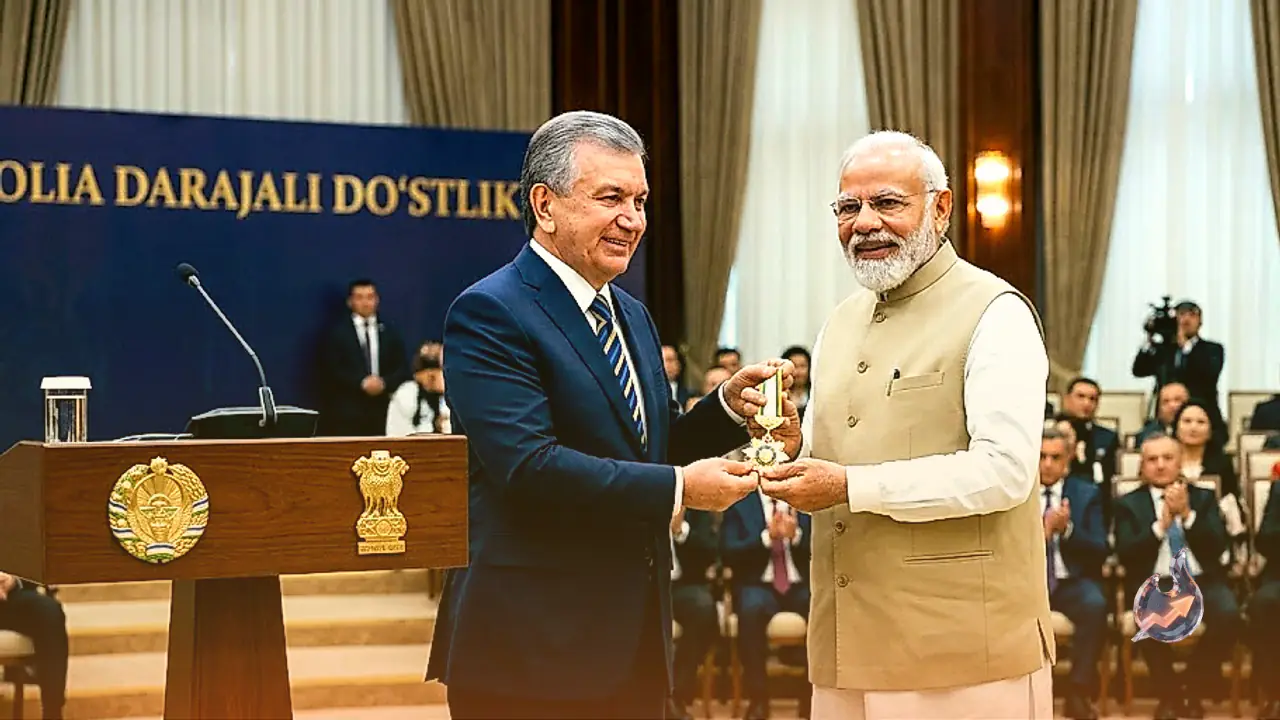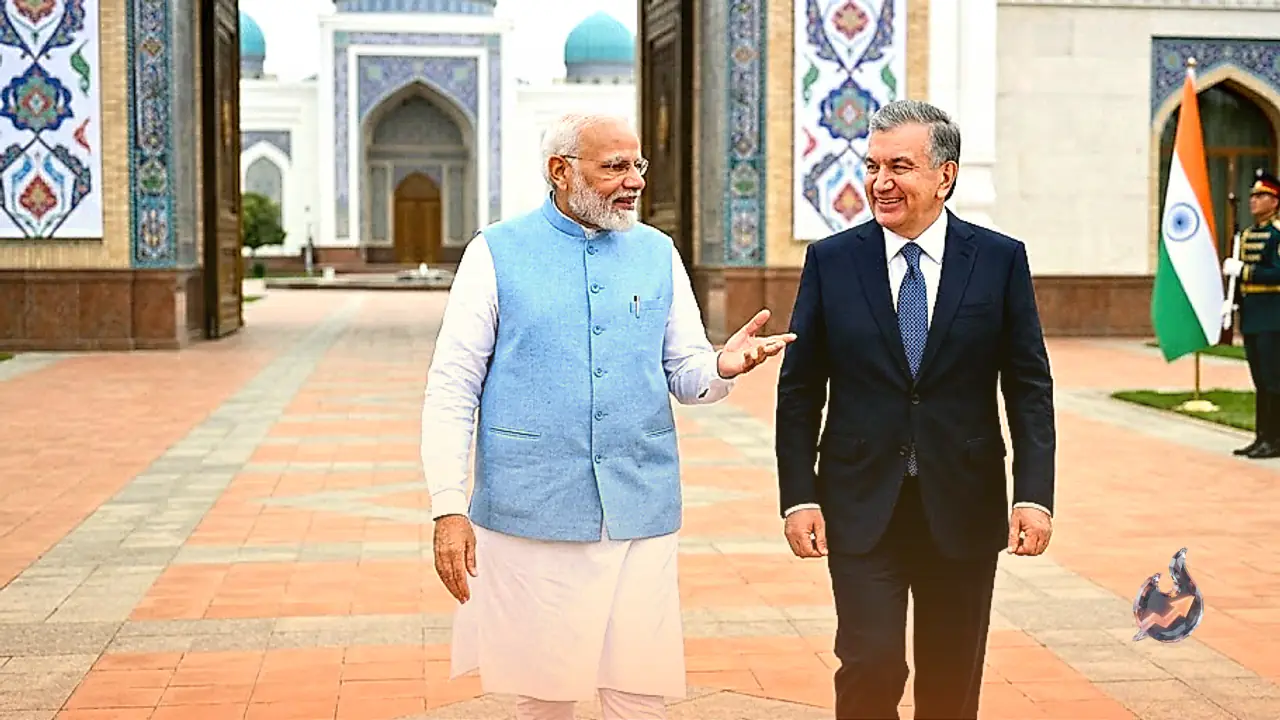






















During high-level discussions in Tashkent, India and Uzbekistan laid out a comprehensive blueprint to elevate their bilateral ties to new heights. Prime Minister Narendra Modi emphasized that Uzbekistan plays a pivotal role in India-Central Asia relations, noting deep alignment in the aspirations and visions of both nations. Addressing a joint press conference following extensive talks with Uzbek President Shavkat Mirziyoyev, the Prime Minister announced that both countries will step up direct ties between their defence industries, fostering joint production and joint development in the times ahead.
Uranium Supply and Civil Nuclear Energy
The two nations are actively working to establish a robust framework for the long-term supply of uranium to fuel India's civil nuclear energy objectives. Prime Minister Narendra Modi highlighted that youth, innovation, inclusive growth, and modern technology form the core of both ‘Yangi Uzbekistan’ and ‘Viksit Bharat 2047’, sharing a common vision for mutual prosperity. Expressing gratitude to President Shavkat Mirziyoyev and the people of Uzbekistan for the warm hospitality extended to his delegation in Tashkent, the Prime Minister noted that this marks his fourth visit to the country, reflecting close coordination and deep-rooted friendship. Recalling their interactions over the past decade, which included more than 10 meetings, he praised the visionary outlook and unwavering commitment of the Uzbek leader toward strengthening bilateral ties.
Zero Tolerance for Terrorism and Security Cooperation
On the security front, both nations reaffirmed their shared resolve to maintain a zero-tolerance approach toward terrorism, extremism, and separatism, viewing them as major regional challenges. The deepening cooperation in defence and security underscores a strong foundation of mutual trust, paving the way for closer institutional linkages and collaborative manufacturing. With the 15th anniversary of their strategic partnership approaching in 2026, both sides have mutually agreed to elevate the relationship to the status of a comprehensive strategic partnership.
Economic Targets and Infrastructure Development
Economic ties between the two countries have crossed the USD 1 billion mark, and both governments have now set a target to scale bilateral trade up to USD 5 billion by 2030. To achieve this objective, policies will focus on enhancing market access, improving connectivity, and streamlining banking and payment systems, alongside collaborative infrastructure development. Furthermore, newly signed agreements in traditional medicine will reinforce joint efforts. The leadership emphasized that this partnership will not remain confined to national capitals, as cooperation is being fostered directly between cities and regions to boost urban management, education, tourism, and cultural exchanges.