























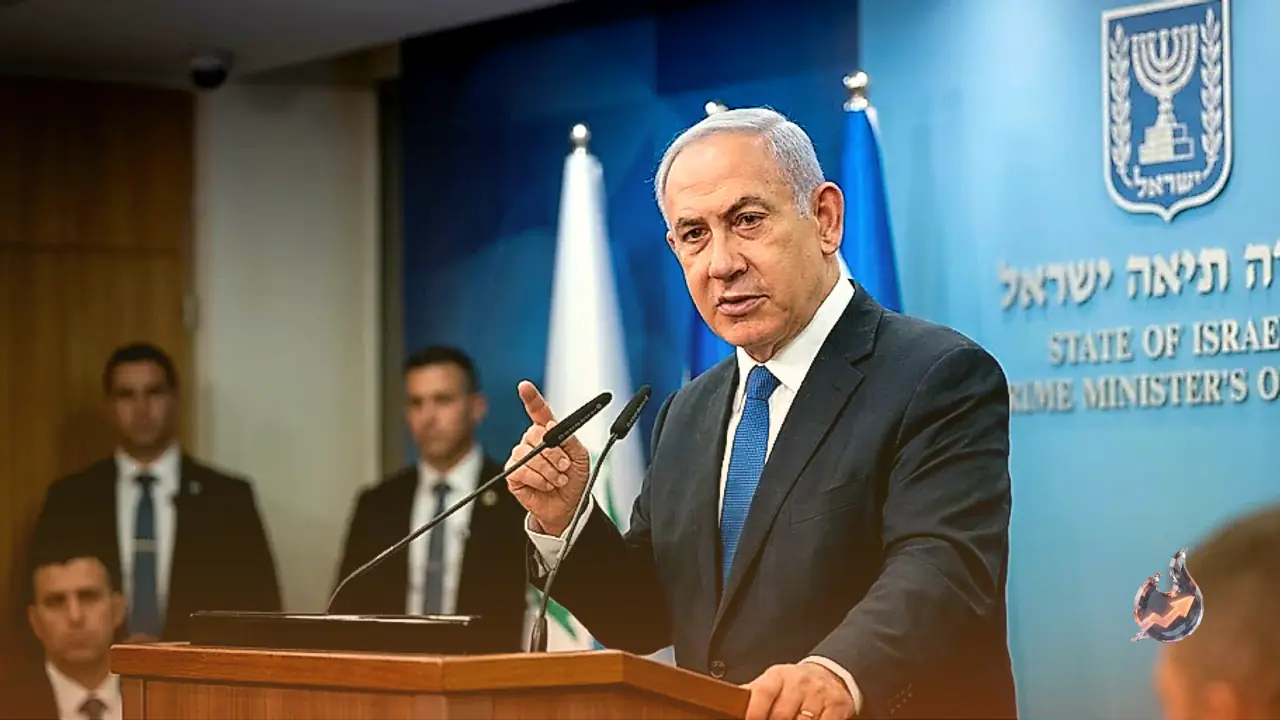

American diplomatic efforts to end the prolonged Gaza conflict suffered a major setback as Israeli Prime Minister Benjamin Netanyahu dismissed U.S. President Donald Trump's fifteen-point peace proposal. Netanyahu made it unequivocally clear that Israeli military forces will not pull back from the Gaza Strip until the militant group Hamas completely surrenders its weapons. This defiant stance threatens to derail ongoing international peace initiatives and highlights the deep chasm remaining between the allied nations regarding the region's future.
Military Operations to Continue Until Complete Disarmament
Speaking during a cabinet meeting, Benjamin Netanyahu told his ministers that Israel does not subscribe to the fifteen-point framework document presented by Washington. He stressed that Israeli troops will maintain their positions in Gaza until there is verifiable proof that Hamas has laid down its arms. Furthermore, he asserted that Israel will continue taking robust measures to neutralize any perceived threats against its soldiers and civilian population, leaving little room for immediate compromise on security measures.
Benjamin Netanyahu also issued a hardline statement regarding the controversial subject of Palestinian statehood. According to Israeli media reports, Netanyahu declared that as long as he remains prime minister, no Palestinian state will be permitted to emerge in either the Gaza Strip or the West Bank. This uncompromising assertion comes at a time when international diplomatic circles are actively discussing ways to permanently resolve the regional hostilities and pave the way for a two-state solution.
Why Trump's Framework Faced Immediate Resistance
Only last month, U.S. President Donald Trump had publicly claimed significant breakthroughs in his administration's ongoing efforts to broker an end to the Gaza war. He had asserted at the time that both the Israeli leadership and Hamas elements were aligned with the broad structure of the proposed blueprint. However, Netanyahu's latest remarks demonstrate that a massive gulf still separates the key stakeholders. The primary bone of contention remains the complete disarmament of Hamas, with Israel insisting that total demilitarization must precede any territorial withdrawal by its armed forces.
Persistent Conflict Despite Past Ceasefire Efforts
The hostilities erupted following a massive assault launched by Hamas against Israel on October 7, 2023, an event that shattered regional security norms. Prior to the war, Hamas had maintained a firm administrative grip on the Gaza Strip for roughly two decades. Although various ceasefire arrangements and diplomatic truces have been attempted over the course of the conflict, intense military engagements and controversies surrounding Israeli operations have persisted unabated. Netanyahu's latest political maneuvers threaten to complicate the diplomatic roadmap for peace even further.
Domestic Political Pressures and Ongoing U.S. Talks
Amid these high-stakes geopolitical developments, Netanyahu is navigating severe domestic political pressures. His right-wing coalition partners are strongly pushing for an unyielding approach toward any external peace frameworks. Simultaneously, public opinion polls indicate that Netanyahu's political standing is facing tough competition, making every policy decision regarding Gaza critical for his government's survival. Netanyahu noted that Israel is actively engaging in discussions with the United States to address its specific objections, adding that while certain aspects of the American proposal are acceptable to Israel, fundamental disagreements persist on several other critical fronts.