





















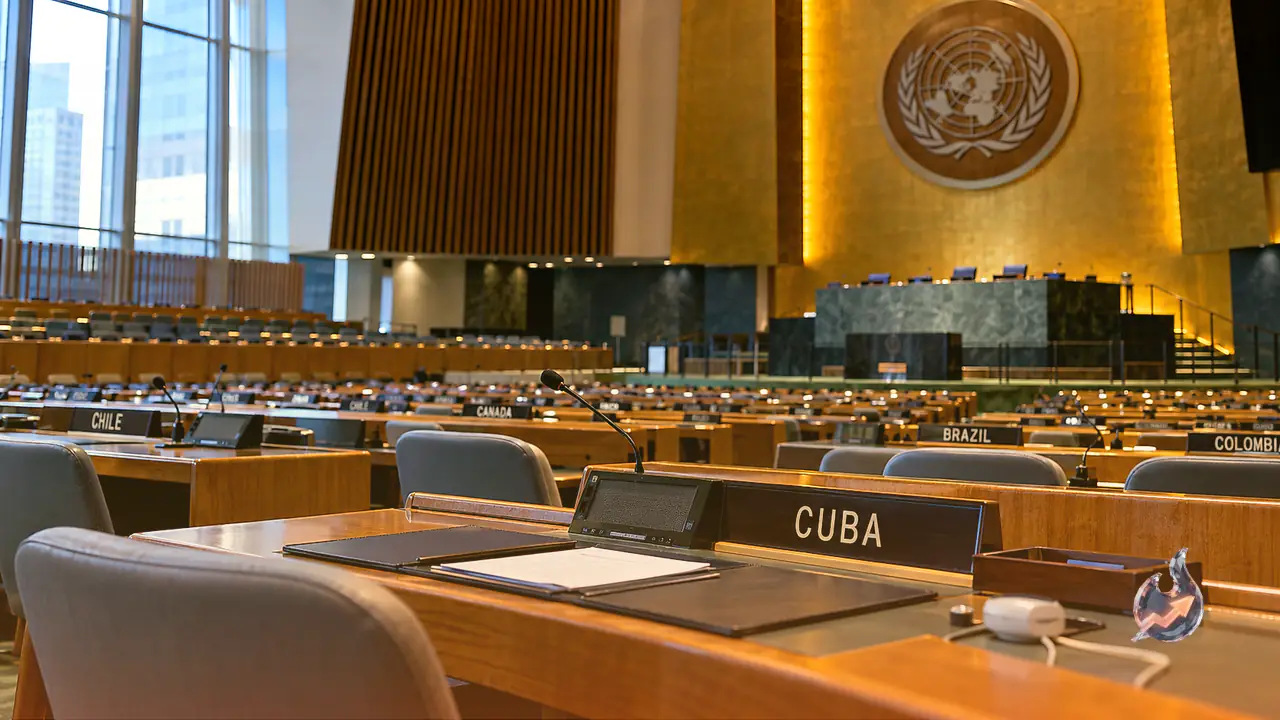

The United Nations General Assembly turned chaotic on Tuesday as heated arguments broke out between representatives from the United States and Cuba. The confrontation erupted during discussions surrounding a proposal to lift the decades-long US economic and trade sanctions against Cuba, escalating so rapidly that proceedings had to be temporarily halted.
Delegates Face Off Amid Rising Tensions
This clash occurred against the backdrop of already strained relations between Washington and Havana. Cuba has accused the United States of intensifying economic pressure and coercing other nations into voting against it. The dispute ignited when US Ambassador to the UN Mike Waltz was delivering remarks criticizing the Cuban communist government over repression and corruption. During this address, Cuban Foreign Minister Bruno Rodriguez Parrilla approached the podium, demanding that the American representative be stopped.
Heated Exchange Near the Podium
As the Cuban minister neared the podium, Mike Waltz reacted sharply. He told the Cuban foreign minister that this was the United Nations and not a communist dictatorship, adding that he could not be silenced. Waltz instructed the Cuban minister and members of his delegation to back off. In an aggressive tone, he asked if they knew who they were speaking to, declaring that this was America and demanding they step back. Observing the escalating hostility between the two sides, the presiding session official ordered a brief suspension of the session and instructed both delegations to return to their respective seats.
Cuban Counter-Allegations and US Appeal
The Cuban foreign minister accused the United States of launching a major campaign to influence other UN member states. He claimed that the US was threatening countries with visa restrictions and economic penalties to secure votes against the resolution. He further alleged that support was being promised to opponents of governments that opposed the resolution. Meanwhile, US Ambassador Waltz urged UN members to reject the proposal submitted by Cuba.
The Longstanding Sanctions Conflict
Historically, Cuba has introduced a resolution every year since 1992 in the UN General Assembly demanding the end of American sanctions. While this resolution is not legally binding, it traditionally receives broad international backing. In the previous year, 165 nations voted in favor of the resolution, while 7 opposed it and 12 abstained. This marked the weakest support the proposal had received in the past two decades. Coupled with American sanctions and tightening pressure on oil supplies, Cuba's economic struggles have deepened, making this ongoing clash part of a much broader and persistent struggle.