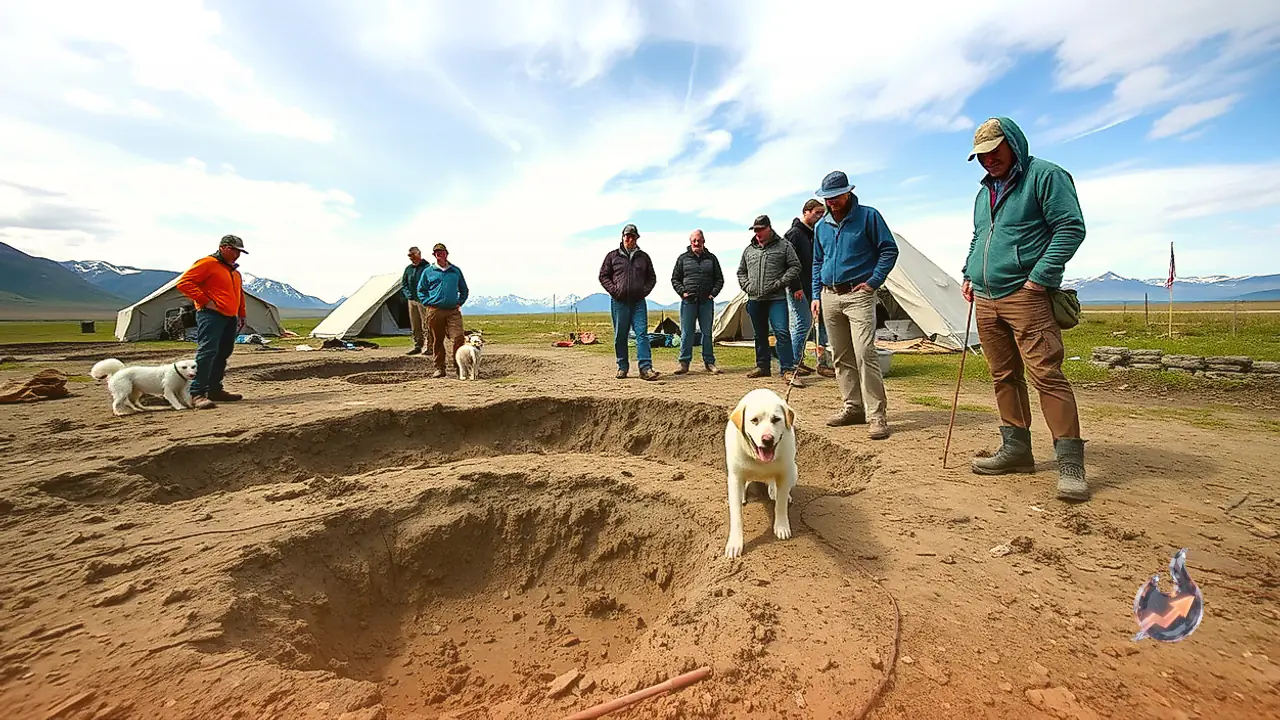






















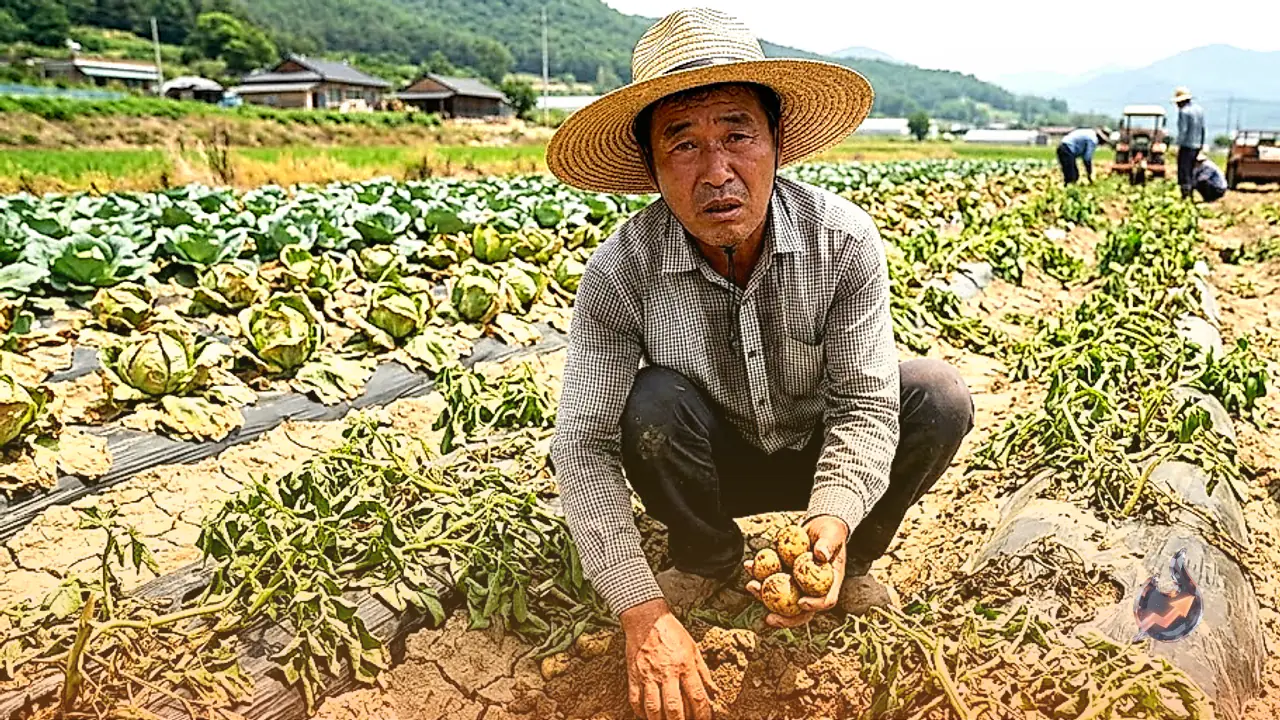

Unprecedented extreme heat in South Korea has severely crippled the nation's agricultural sector, leaving farmers stunned as underground crops effectively cook in the soil before harvest. In several farming regions across the country, agricultural workers excavating fields discovered that instead of firm raw produce, they were pulling out soft, boiled-like potatoes ruined by extreme ground temperatures. These damaged crops cannot be brought to market for raw sale, triggering immediate financial turmoil for growers and threatening a sharp escalation in domestic food prices. The most extensive crop destruction has been documented in the north-eastern Gangwon province, where fields that appeared visually healthy just days earlier yielded completely ruined harvests upon digging.
Severe Agricultural Loss Ahead of the Chuseok Festival
Farmer Lee Sang-hyok, who has cultivated land in Yanggu county for approximately 40 years, stated that he had never witnessed such catastrophic crop destruction in his four decades of farming experience. He noted that while crop canopies looked normal from the surface, the heat trapped beneath the soil devastated the tubers. The impact of the scorching weather extends well beyond root vegetables. In Gangwon province, massive quantities of cabbage rotted directly in the fields. Several farmers had deliberately delayed harvesting their cabbage in hopes of securing better market rates, but sustained extreme temperatures withered the crops before they could be picked. Farmers were ultimately forced to plow the ruined produce back into the soil, suffering substantial economic losses.
Fruit orchards across the region are facing similarly dire conditions. Intense solar exposure has scorched growing apples and caused ripening peaches to split open on the branches. Farmers reported that apple crops scheduled for harvest ahead of the major Chuseok festival at the end of September have suffered growth arrest due to heat stress. Chuseok is one of South Korea's most significant traditional holidays, during which consumer demand for fresh fruits and vegetables surges dramatically. The widespread loss of crops right before this peak period has raised severe concerns over potential market shortages.
Historic 42.5°C Heatwave Claims Human and Livestock Lives
Official meteorological data reveals that on August 2, temperatures in the south-eastern city of Yangsan climbed to a record 42.5 degrees Celsius. This marks the highest temperature recorded in South Korea since modern weather record-keeping commenced in 1904. The relentless heatwave has produced deadly consequences for human populations, livestock, and commercial aquaculture. Health officials confirmed that at least 31 people have died from heat-related illnesses across the country. Additionally, agricultural records indicate that approximately 900,000 livestock animals and over 1.4 million farmed fish have perished due to extreme heat stress.
Government Disaster Response and Long-Term Climate Strategy
In response to the emergency, government authorities have urged citizens to remain indoors and refrain from outdoor labor during peak daytime hours. However, adhering to these advisories presents a major dilemma for farmers, who explain that abandoning field operations during the day risks total loss of their remaining crops. Addressing the crisis, South Korean President Lee Jae-myung described the severe weather conditions as extraordinary and emphasized the urgent necessity of overhauling the national disaster management framework.
While comprehensive assessments of total agricultural damage remain ongoing, farming communities fear that supply deficits preceding Chuseok will drive food inflation higher. Climate experts and agricultural specialists assert that in light of shifting weather patterns, South Korea must prioritize developing heat-resistant crop varieties and implementing resilient agricultural practices capable of enduring future climate shocks.