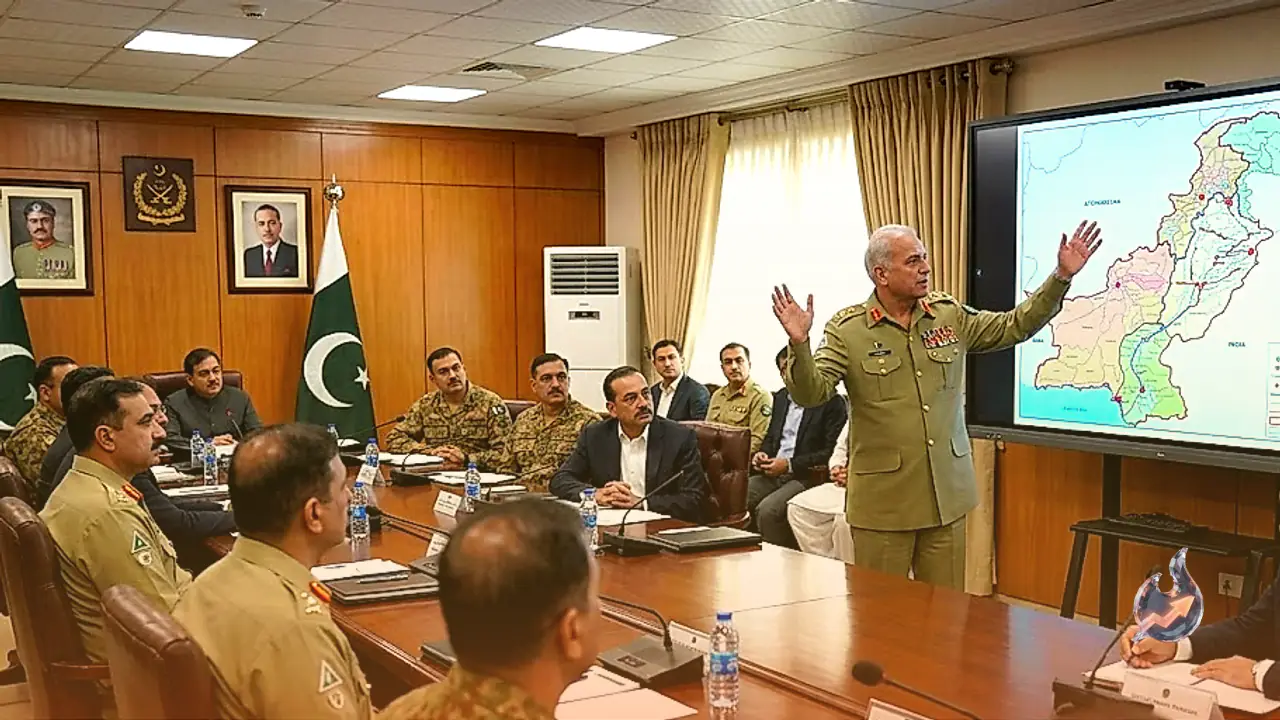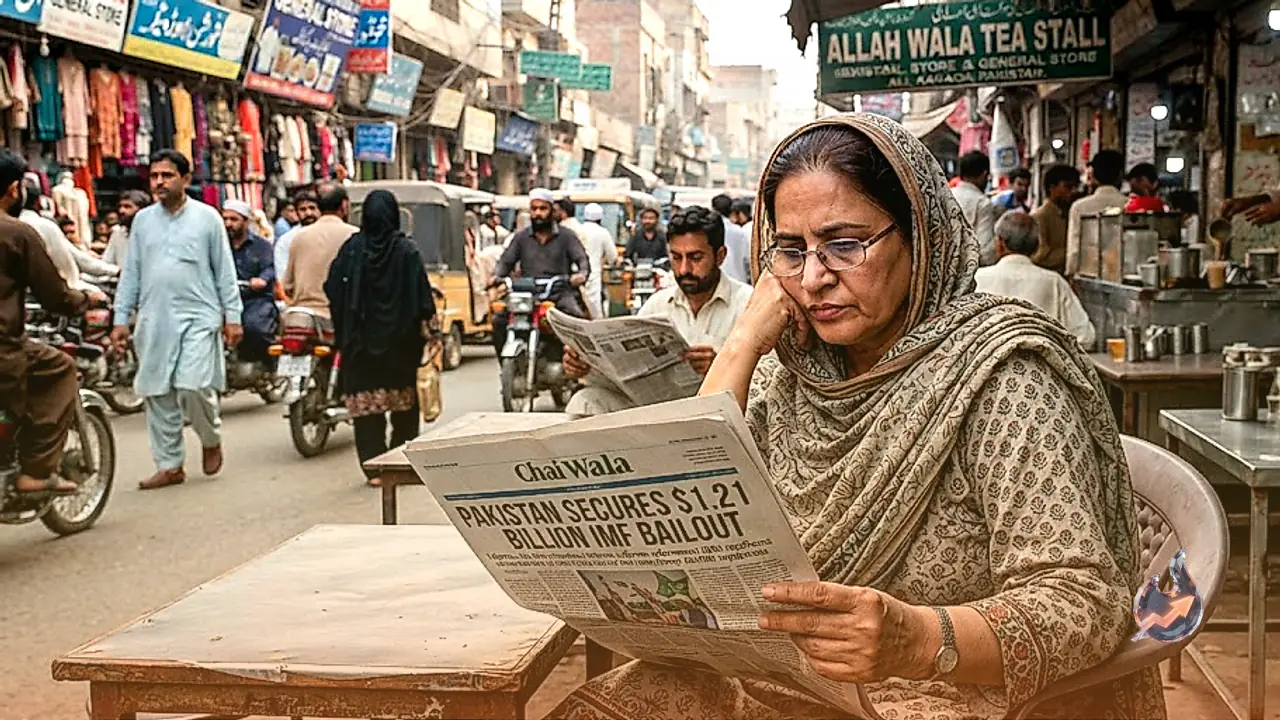

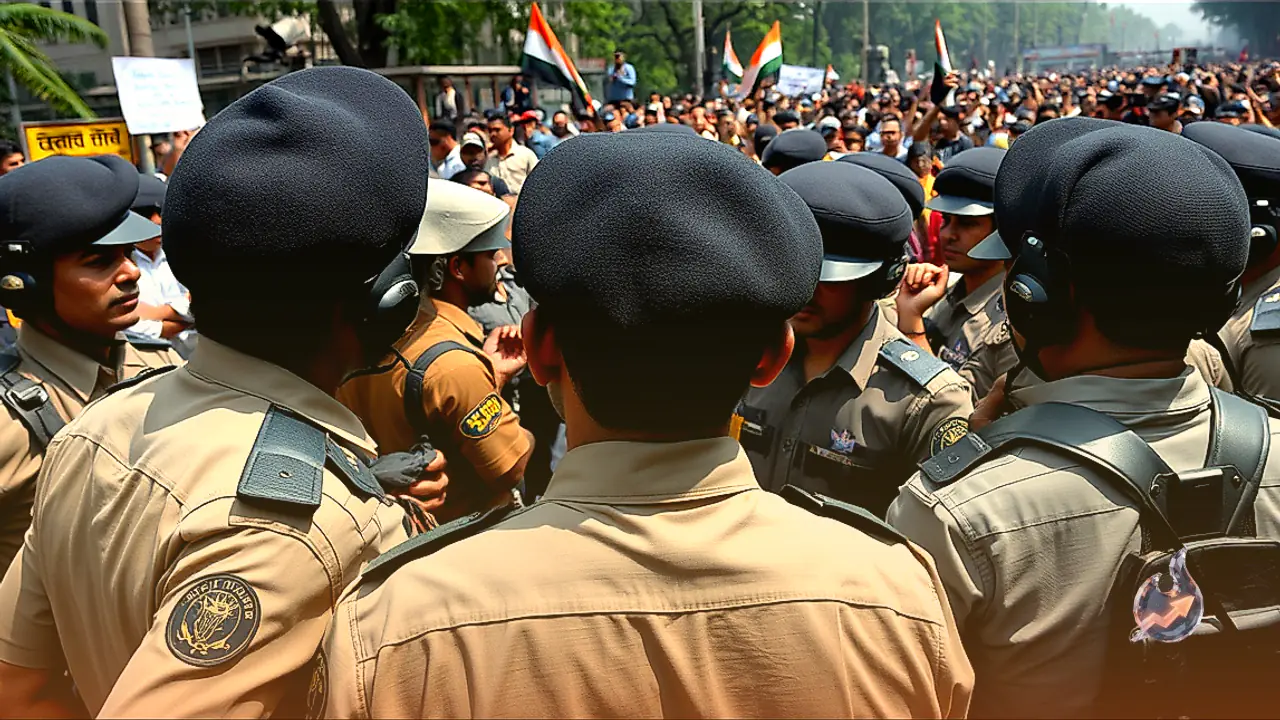


















A stark contradiction has emerged in Islamabad's fiscal governance as public resources are poured into an international tribunal while citizens face severe economic tightening. Even as the state restricts basic office spending and cuts official transport allowances, substantial amounts of capital are being expended in the Netherlands at the Permanent Court of Arbitration in The Hague. The litigation stems from objections raised against hydroelectric initiatives in Jammu and Kashmir. Crucially, India does not acknowledge the jurisdiction of this arbitration forum and has completely stayed away from its hearings. Despite New Delhi declining to participate or share the administrative expenses, Pakistan has chosen to maintain the litigation entirely on its own balance sheet, even financing the share of costs that India formally refused to remit.
Water Resources Budget Diverted to International Litigation
Data from Pakistan's budgetary allocations for the 2026-27 financial year highlight the scale of resources dedicated to this forum. The Water Resources Division received an overall allocation of roughly 4.24 billion Pakistani rupees. Of that aggregate sum, more than half, amounting to approximately 2.18 billion Pakistani rupees, was assigned specifically to the Pakistan Mission for Indus Waters. This distribution comes at a time when domestic infrastructure and flood defenses remain severely underfunded.
Pakistan regularly confronts severe seasonal inundations that displace populations and cause widespread damage, alongside severe freshwater shortages driven by inadequate distribution systems. Yet, national budget allocations set aside merely 1.2 million dollars for domestic flood management measures. In financial terms, the amount deployed to sustain the legal offensive at The Hague stands at more than six times the entire national budget earmarked for protecting citizens from destructive seasonal floods.
The Dispute Over Kishanganga and Ratle Projects
The core of the legal contestation revolves around India's Kishanganga and Ratle hydroelectric projects located in Jammu and Kashmir. Pakistan registered formal objections with the Permanent Court of Arbitration in The Hague, challenging their technical parameters. However, India's stance has remained entirely consistent: New Delhi rejects the standing of this court in the matter and has never taken part in its proceedings. When the tribunal demanded that India deposit its assessed portion of the proceedings' administrative expenditure, the Indian government issued a direct refusal.
Rather than halting the action, Pakistani authorities deposited around 500 million rupees into the court to keep the hearings alive, a figure that incorporated the specific share India declined to provide. This commitment follows an earlier disbursement of 1.94 million dollars remitted by Pakistan toward neutral expert procedures connected to the disagreements. Independent observers note that pursuing an arbitration forum whose legitimacy is not recognized by the counterparty accomplishes little beyond consuming state reserves.
High Expenses for London Legal Counsel
To argue its position at The Hague, Pakistan engaged leading British legal establishments, including prominent chambers such as Twenty Essex and 3 Verulam Buildings. A sizable contingent of barristers and technical specialists has been retained to handle the hearings, commanding premium remuneration.
While official budget line items do not publish individual invoices for these external representatives, prevailing 2026 billing benchmarks in central London place senior advocates at roughly 65,000 rupees per working hour. For major cross-border actions, law firm partners routinely bill upwards of 100,000 rupees per hour, while an initial brief fee for a senior King's Counsel can reach approximately 15 million rupees. The litigation has continued since August 2016, yet the cumulative billions expended on legal representation and high-end overseas accommodations remain undisclosed to the public.
Domestic Austerity Measures and Internal Resource Challenges
This persistent external expenditure stands in sharp relief against the strict domestic belt-tightening mandated on September 17, when authorities introduced a string of austerity rules across state bodies
- Fuel allowances for official government transport were cut by 50 percent.
- State entities were barred from purchasing new fleet vehicles, furnishings, or administrative hardware.
- Official foreign visits by ministers and bureaucrats were placed under restriction alongside state-funded banquets.
- Capital outlays for several critical public development projects sustained deep budgetary retrenchments.
While the broader public is urged to absorb economic sacrifices, the litigation at The Hague continues to draw substantial appropriations. Furthermore, independent hydrological assessments suggest that domestic water distress is largely rooted in internal infrastructure decay rather than external factors. Operational data indicates that the storage capacity of Pakistan's four premier reservoirs, Tarbela, Mangla, Chashma, and Warsak, has contracted by 29 percent due to progressive sedimentation.
Following the 2025 Pahalgam terror attack, India suspended the Indus Waters Treaty and withdrew from all related arbitration mechanisms. Meanwhile, an interim order issued by the arbitration court on August 31, 2026, confirmed that final decisions regarding the allocation of total procedural costs will only be made when the conclusive verdict is rendered, ensuring ongoing expenses for Islamabad in the interim.