
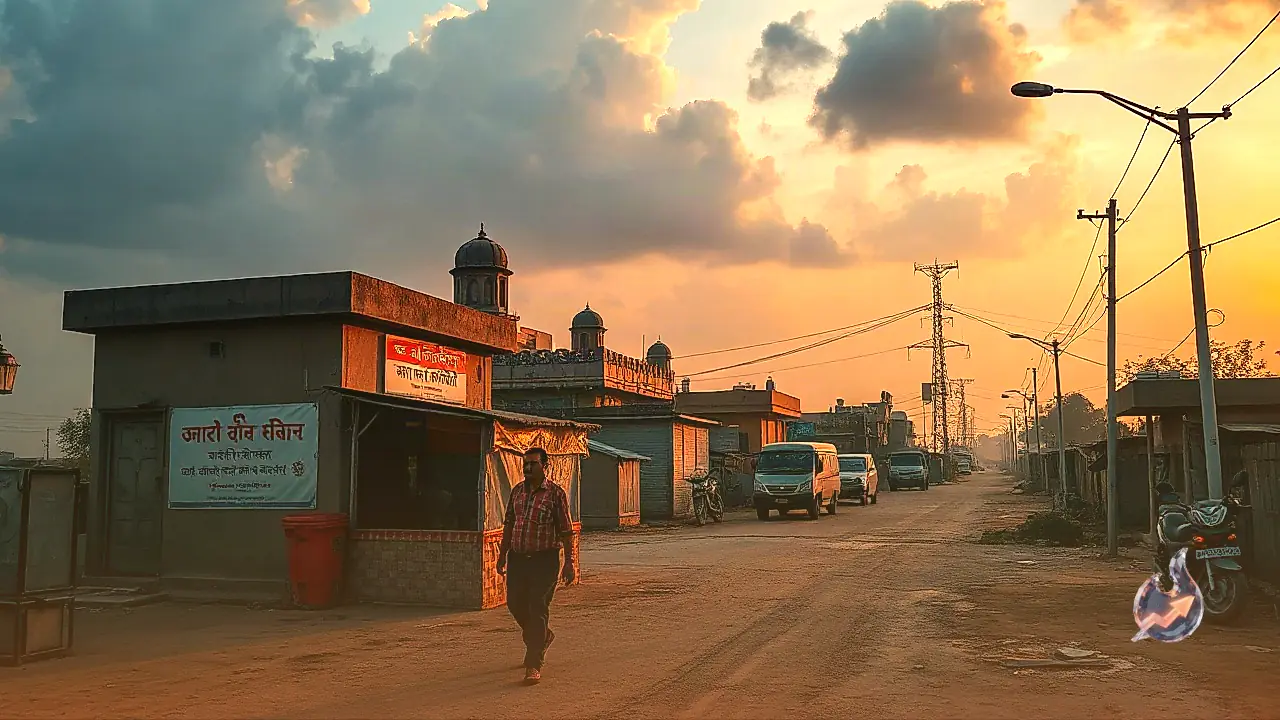





















The local administration in the Itanagar Capital Region of Arunachal Pradesh has issued a public health warning regarding a sudden increase in high fever cases, urging the community to remain highly vigilant against dengue. This proactive measure aims to raise public awareness and ensure the timely identification of cases to curb the spread of the vector-borne disease.
The official advisory, released on Saturday by Dr C. Lowang Mallo, who serves as the District Medical Officer for the Itanagar Capital Region, strongly encourages local residents to seek professional medical help immediately if they experience any signs of high fever or related ailments.
Identifying Dengue Symptoms
According to the official medical guidelines, dengue typically manifests as a sudden and acute febrile illness. This high fever generally persists for a duration ranging from two to seven days. Authorities have noted that the illness presents several distinct symptoms that residents should watch out for. These key signs include severe headaches, intense muscular and joint discomfort, physical exhaustion, skin rashes, and a characteristic pain located behind the eyes. Recognizing these symptoms early is critical for effective management.
Prevention and Vector Control Guidelines
To effectively tackle the mosquito menace, the health administration has outlined a series of preventive steps that households must implement immediately. Residents are urged to systematically eliminate any sources of stagnant water around their residential premises to prevent mosquito breeding. Regular cleaning of household water coolers and storage tanks is highly recommended. Furthermore, all water storage containers must be kept tightly covered at all times.
In addition to environmental control, personal protection is highly recommended. The advisory suggests the consistent use of mosquito nets and chemical repellents. Installing protective screens on windows and doors, alongside wearing long-sleeved shirts and full-length trousers, can significantly minimize the risk of getting bitten by disease-carrying mosquitoes.
Warnings Against Self-Prescription
A critical highlight of the health advisory is the strict warning against self-medication when a dengue infection is suspected. Dr C. Lowang Mallo emphasized that self-diagnosis and self-treatment can lead to severe health complications. The public has been explicitly warned against taking common over-the-counter drugs such as aspirin, ibuprofen, or any form of steroids without obtaining a formal prescription and professional medical guidance. Instead, undergoing a proper clinical diagnosis under the supervision of qualified medical professionals remains the only safe course of action.