






















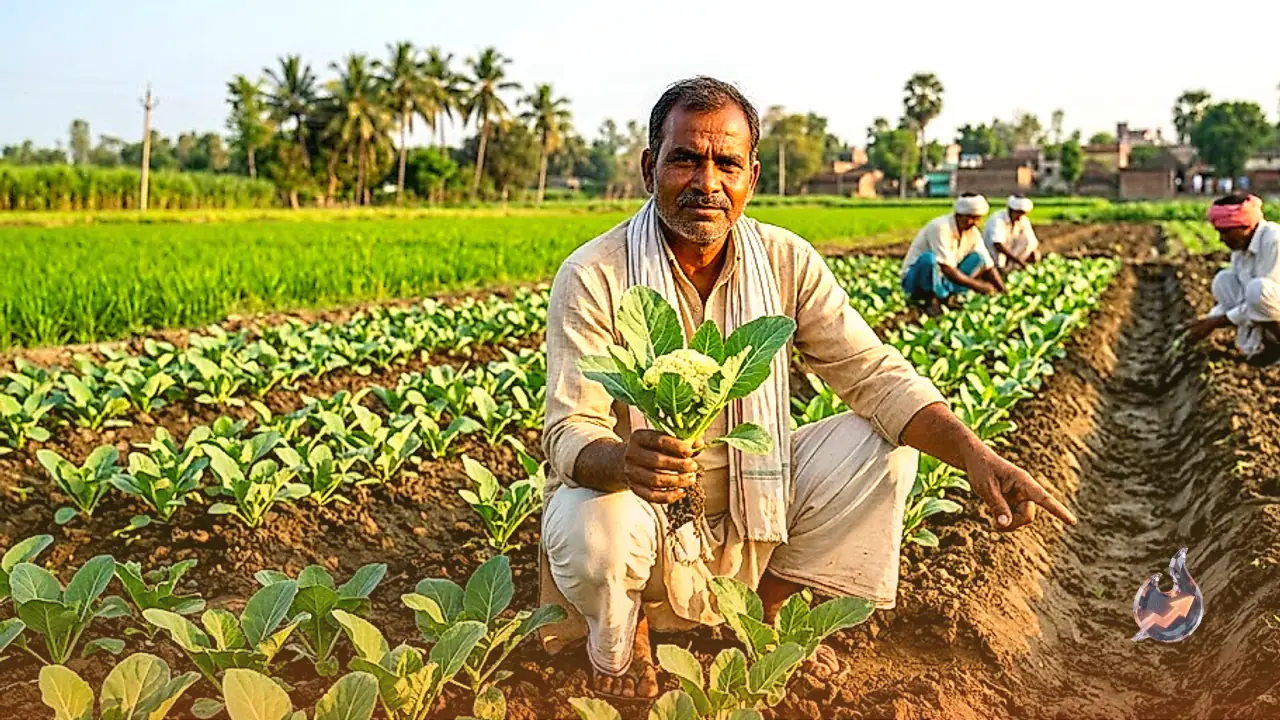

For farmers in the Moradabad region, August and September mark the ideal window to sow early and medium varieties of cauliflower and cabbage. Getting the seedlings ready on schedule and ensuring proper drainage in the field are the two factors that decide whether the crop turns into a solid source of income. Farmers who complete sowing and transplanting within these two months typically see both a healthier yield and better returns at the market.
Choosing the Right Variety and Sowing Window
Cauliflower can be grown through the monsoon months too, provided the right variety is picked. Broadly, sowing is done in two categories, early and medium. Among early varieties, Pusa Meghal and Pusa Kartik Hybrid are the most common choices, alongside NS 60 and NS 83 from Syngenta. India Magnet 03 is another well-regarded early variety. All of these are sown in August-September and are ready to harvest in just 60 to 75 days, reaching mandis with good prices through September and October. Medium varieties, including Pusa Sharad, Hisar No. 1 and Snow Ball Hybrid, along with several hybrid options from various seed companies, take longer to mature, roughly 80 to 100 days.
Winter Brings the Best Returns
Cauliflower thrives best in cold weather, and the December-January window is when farmers earn the most from this crop. Preparing the field involves ploughing it two to three times to loosen the soil into a fine, crumbly texture, along with applying 15 to 20 tonnes of cow dung manure per acre. The ideal soil pH for this crop ranges between 6.2 and 7.5. Transplanting is best carried out in August-September. For early varieties, a spacing of 45 centimetres between rows and 45 centimetres between plants works well, while medium varieties need 60 centimetres between rows and 45 centimetres between plants. Manure, fertiliser and NPK should only be applied after a proper soil test, so the field gets exactly what it needs.
Chemical Fertilisers, Irrigation and Pest Control
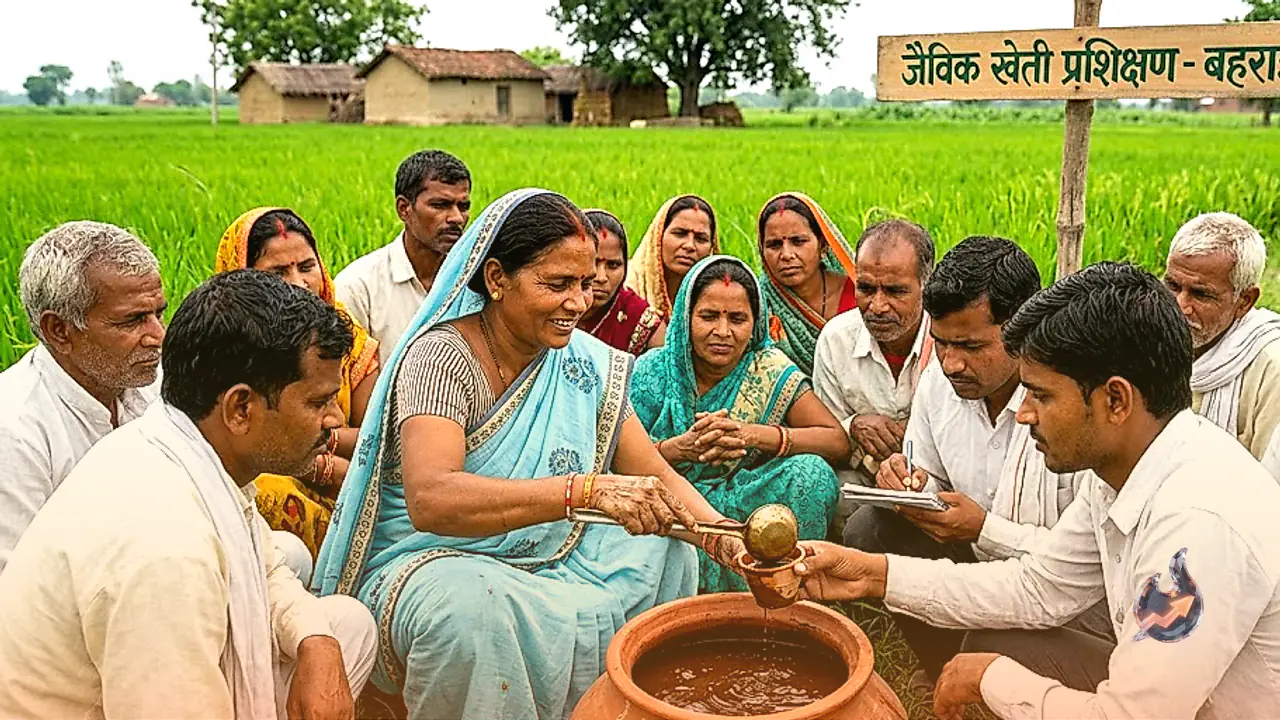
Farmers who prefer chemical fertilisers can use them for this crop as well. However, a boron deficiency in the soil raises the risk of dry rot in cauliflower. Correcting a boron shortfall identified through soil testing significantly improves the quality of the produce, which is why a soil test before transplanting is strongly advised. The first irrigation should follow immediately after transplanting, with subsequent watering every 7 to 10 days. Waterlogging in the field must be avoided, as it can damage the roots. For pest and disease control, a measured dose of neem oil mixed with water can be sprayed on the crop, while a cow urine spray is considered an effective way to guard against disease. Following these steps allows farmers to earn a good income from cauliflower and cabbage cultivation even with relatively low input costs.