





















Many cities across India carry distinct nicknames that reflect their culture, landscape, or industrial prominent identity. While Jaipur is globally celebrated as the 'Pink City' and Udaipur is famed as the 'City of Lakes', the prominent Gujarati city of Ahmedabad earned the title of the 'Manchester of India'. This title stems directly from the city's robust and historic textile industry. Just as the city of Manchester in England achieved global fame for its historical cotton manufacturing, Ahmedabad established a parallel legacy during the 19th century as India's premier cotton hub.
The 1861 Industrial Milestone and Cotton Mill Expansion
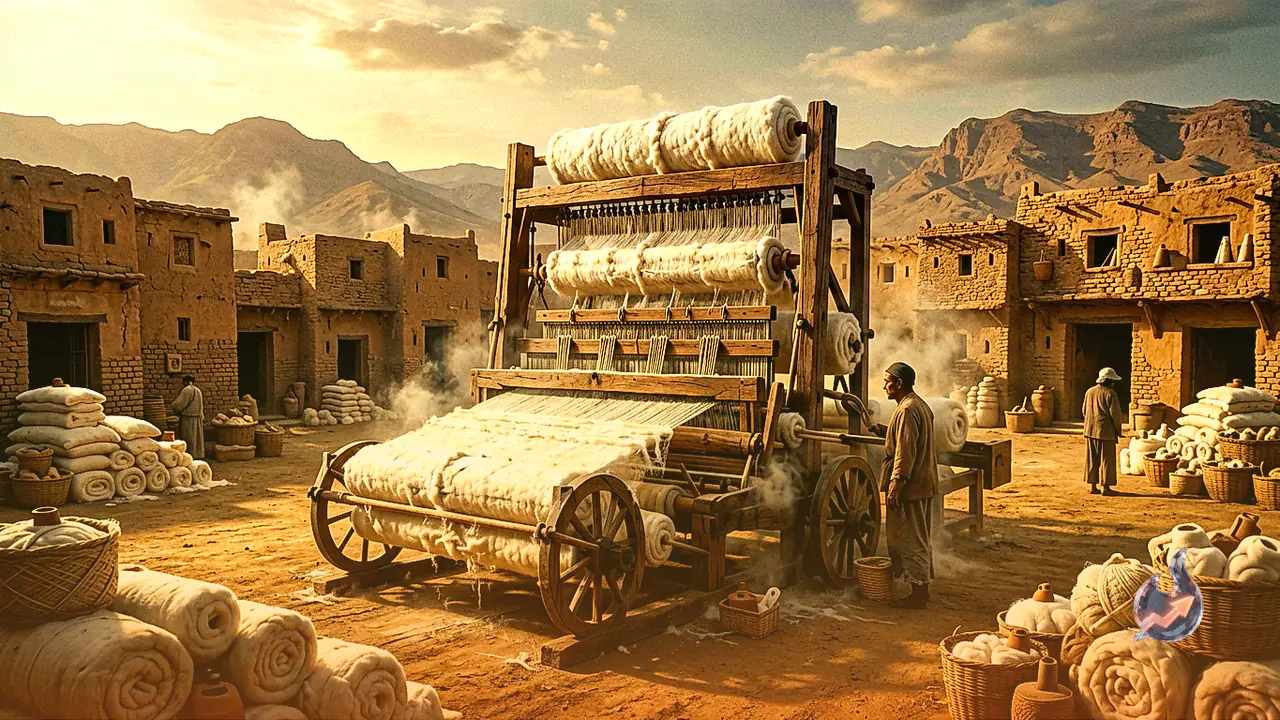
The transformation of Ahmedabad into an industrial powerhouse gained momentum in the middle of the 19th century. A pivotal moment in this economic journey occurred in the year 1861, when Ranchhodlal Chhotalal successfully established the city's very first cotton textile mill. This breakthrough encouraged a wave of new textile enterprises across the urban center. The rapid proliferation of cotton mills transformed textiles into the backbone of the local economy, creating thousands of new employment opportunities and driving regional trade expansion.
Geographic Advantages and Strategic Trade Networks
Several geographical and structural factors accelerated Ahmedabad's dominance in the textile sector. Extensive raw cotton cultivation across the state of Gujarat provided local mills with a steady, accessible supply of essential raw materials. Furthermore, the city benefited immensely from its deeply ingrained commercial traditions, developing transport infrastructure, and strategic location along the banks of the Sabarmati River. Access to efficient trade networks and reliable water resources further solidified its position as an industrial giant.
Beyond Textiles: A Recognized UNESCO World Heritage City
In the modern era, Ahmedabad's identity extends far beyond its historical textile factories. The city is equally renowned for its rich architectural heritage, traditional culinary culture, and vibrant commercial ecosystem. The old city precinct is world-famous for its unique residential neighborhoods known as 'pols', intricate historic 'havelis', and traditional markets. Recognizing this exceptional urban heritage, UNESCO granted Ahmedabad official World Heritage City status in 2017. Today, major historical landmarks such as the Sabarmati Ashram, the famous stone lattice of Sidi Saiyyed Jali, and the preserved architecture of the old city continue to draw visitors from around the world.