






















Lips play a vital role in enhancing overall facial appearance and freshness. Many people prefer a clean, minimal look without heavy makeup, where a soft pink lip tint is often all that is needed to look revitalized. Although numerous commercial lipsticks and lip balms line store shelves, concerns over synthetic ingredients, artificial dyes, and harsh chemicals lead many beauty enthusiasts to seek natural alternatives. Preparing a homemade lip tint using fresh beetroot is a simple, cost-effective way to achieve healthy, naturally tinted lips using everyday kitchen ingredients.
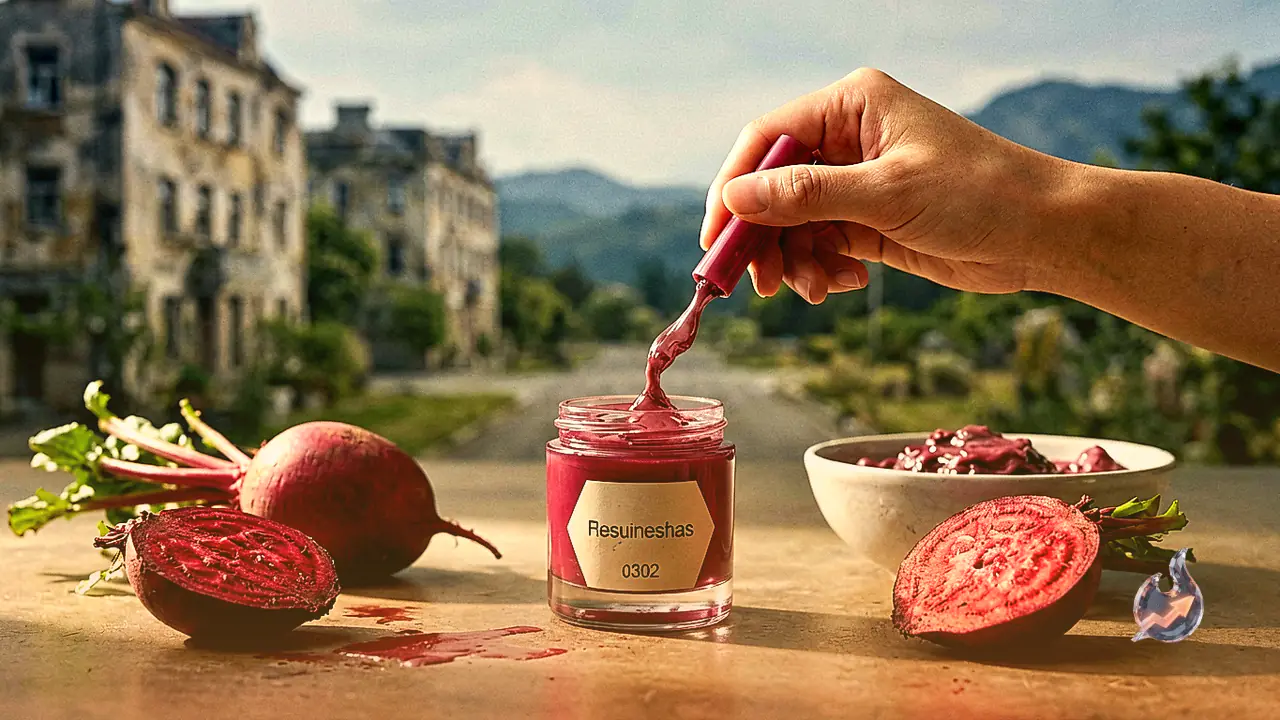
Beetroot is naturally rich in deep red pigments that impart a soft, flattering pink flush to the lips. Creating this DIY lip color requires minimal effort and simple ingredients. However, because homemade cosmetics lack synthetic preservatives, they have a shorter shelf life than commercial products. Preparing small batches and storing the product in clean, airtight containers is key. Prepared correctly, this balm not only provides a subtle splash of color but also hydrates chapped lips. Below is a detailed guide on the required ingredients, step-by-step preparation, and essential safety guidelines.
Ingredients Required for Homemade Beetroot Lip Tint
To make this natural lip color at home, gather the following carefully measured ingredients before starting
- Fresh beetroot juice: 2 to 3 tablespoons (provides the natural red and pink color tint)
- Beeswax or Vaseline: 1 tablespoon (gives the lip balm structure and a solid texture)
- Glycerin: 1 tablespoon (helps lock in moisture and keeps lips soft)
- Vitamin E oil: 1 to 2 drops (nourishes the lips and prevents dryness)
If you have sensitive skin or known allergies to specific plant extracts or oils, exercise caution and perform a skin test prior to full application. Ensure all utensils and ingredients used are clean and pure.
Step 1: Extracting and Reducing the Beetroot Juice
The first step involves extracting pure juice from a fresh beetroot. Wash a fresh beetroot thoroughly under running water to eliminate any dirt or debris. Peel the outer skin and grate the beetroot finely, or process it in a blender. Strain the pulp using a clean cotton cloth or fine sieve to yield 2 to 3 tablespoons of fresh juice.
Transfer the extracted juice into a small saucepan and place it over low heat for a few minutes. Avoid cooking it on high heat, as excessive heat can degrade the natural color and beneficial properties. Stir gently until the liquid slightly thickens and its water content evaporates. Once it reaches a syrup-like consistency, turn off the stove and allow the juice to cool to room temperature.
Step 2: Melting and Blending the Base Ingredients
Once the reduced beetroot juice has cooled, prepare the solid base of the lip balm. Take a clean, heat-safe glass bowl and add 1 tablespoon of beeswax or Vaseline. Gently warm the bowl using a double boiler method or by placing it over a container of warm water until the base melts into a smooth liquid.
Next, add the prepared thick beetroot juice along with 1 tablespoon of glycerin into the melted beeswax or Vaseline. Stir the mixture continuously with a clean utensil until all ingredients are completely integrated into a uniform texture.
Allow the mixture to cool down slightly until it is warm to the touch. Then, add 1 to 2 drops of Vitamin E oil and stir thoroughly once more. Ensuring the mixture is not too hot before adding Vitamin E oil prevents heat damage to its delicate nourishing properties.
Step 3: Storing and Setting the Lip Balm
Pour the finished fluid mixture into a small, clean, and completely dry container fitted with a lid. Ensure the storage container is completely free of moisture, as excess water can cause early spoilage.
Seal the container tightly and place it in the refrigerator for approximately 6 hours or overnight. Once fully chilled, the liquid solidifies into a rich, smooth lip balm texture. Depending on the exact amount of beetroot juice used, the resulting shade can range from a delicate soft pink to a deeper rosy tint.
Important Precautions and Hygiene Tips
Because natural DIY lip products do not contain chemical preservatives, practicing proper handling and hygiene is essential for safe use
- Make small batches: Prepare only small quantities at a time to ensure the product remains fresh during use and does not sit for too long.
- Maintain strict cleanliness: Always store the balm in a sanitized, dry container and apply it with clean hands to prevent bacterial growth.
- Perform a patch test: Before applying the tint to your lips for the first time, dab a small amount on the skin around your lips or wrist. Discontinue use immediately if you experience irritation, itching, redness, or discomfort.
- Monitor for spoilage: Discard the product immediately if there is any noticeable change in its smell, color, or texture over time.