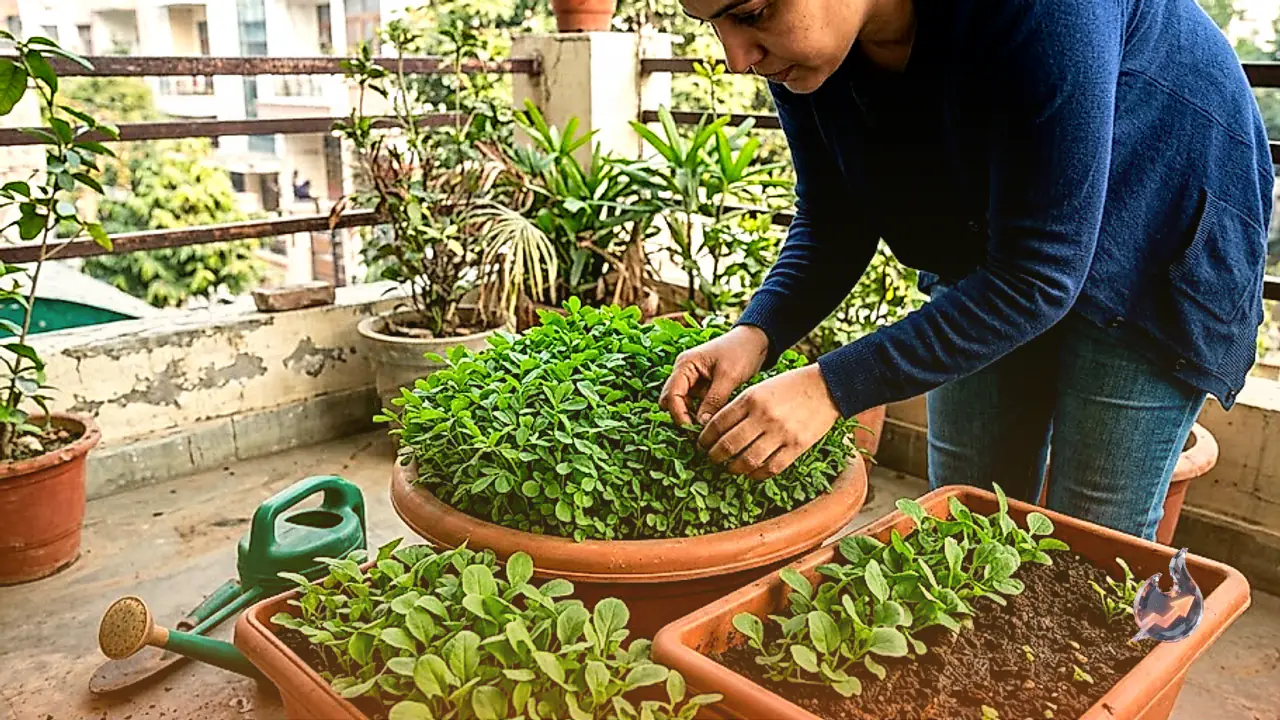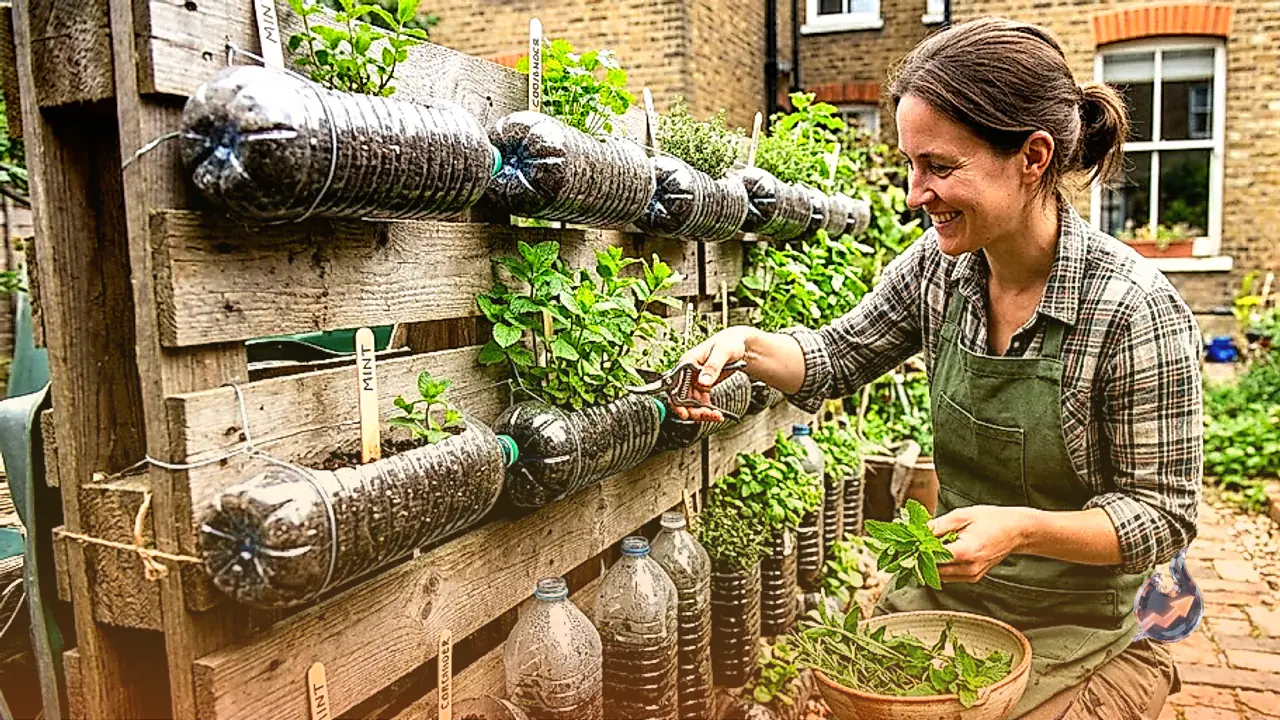
























Maintaining potted plants in balconies, terraces, or courtyards is a popular way to bring greenery and vibrant aesthetics into homes. While these plants elevate the visual appeal of living spaces, ensuring their proper care is equally crucial. During the rainy season and periods of high humidity, home gardens often face infestations of cotton-like white pests, commonly known as mealybugs, alongside tiny black insects. In the initial stages, these pests appear in small numbers and often go unnoticed. However, within a few days, they rapidly multiply and spread across new foliage and tender stems, causing severe damage to the plant.
Early Symptoms of Pest Damage and Their Impact on Plants
White pests such as mealybugs attach themselves to the leaves, tender shoots, and soft stems of plants to extract vital sap. As these insects continuously feed on the sap, the adverse effects gradually become visible. The leaves begin to turn yellow, curl along the edges, and overall new growth comes to a complete halt. This problem is frequently observed in popular indoor and garden plants like Holy Basil (Tulsi), roses, money plants, and various ornamental varieties.
When faced with an insect attack, many plant owners hastily apply harsh chemical sprays. Gardening experts advise caution, emphasizing that using strong chemicals or untested homemade mixtures on home plants—especially edible herbs and vegetables—can prove harmful. Understanding safe and natural intervention methods is essential before attempting any pest control treatment.
Soil Aeration and Aerating Potting Mix Before Spraying
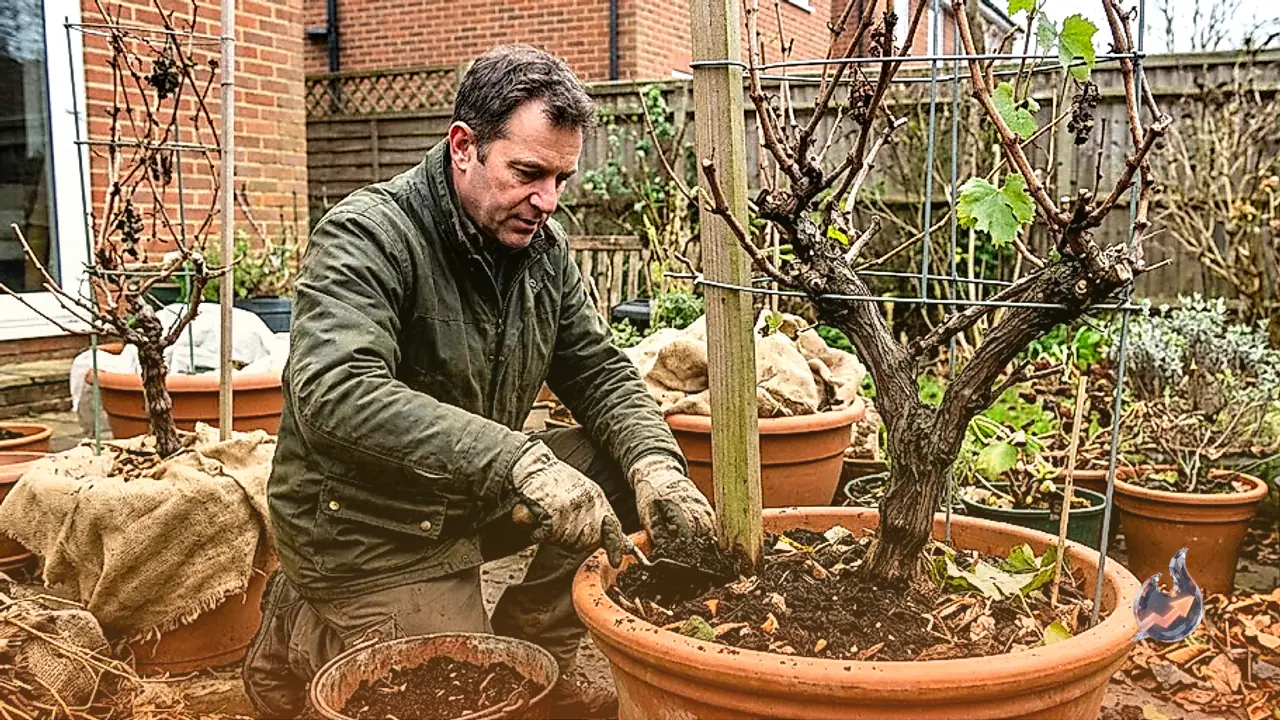
Protecting plants from pest attacks requires more than just cleaning the affected leaves; maintaining healthy potting soil is equally fundamental. When soil inside a pot remains compacted and hardened over a prolonged period, plant roots struggle to absorb oxygen properly. The first corrective step should always involve loosening the top layer of the soil.
Using a small trowel, gently loosen the upper soil layer to a depth of approximately 1 to 2 inches. This practice enhances air circulation within the root zone and allows irrigation water to penetrate easily to deeper root levels. Well-aerated soil strengthens the root system and improves the natural immunity of the plant against pest stress.
Balanced Use of Neem Cake Powder for Pest Control
In traditional gardening practices, mixing neem cake powder (Neem Khali) into the soil is a widely recommended method for boosting soil health and deterring soil-borne pests. The powder is worked into the loosened soil around the base of the plant. Professional gardeners frequently rely on neem-based organic amendments for sustainable soil management and pest suppression.
However, application quantity must be carefully regulated. Applying excessive amounts of neem cake powder can overwhelm the plant. For small containers, only a minimal quantity is required. Strictly following the dosage instructions provided on the product packaging is the safest approach to prevent damage.
Precautions When Applying Turmeric and Lime
While home remedies frequently suggest applying turmeric and lime to treat plant infestations, applying these substances directly onto foliage is not suitable for all plant species. Lime, in particular, drastically alters the pH level of the soil. An excess of lime can burn the roots and cause irreversible damage to the plant.
To safely manage white pests, avoid dusting dry lime or concentrated turmeric powder directly on leaves. If testing a homemade mixture, always perform a trial application on a small leaf first. Discontinue the treatment immediately if symptoms like leaf burning, dark spotting, or wilting appear after application.
Correct Application of Neem Oil Spray and Foliage Cleaning
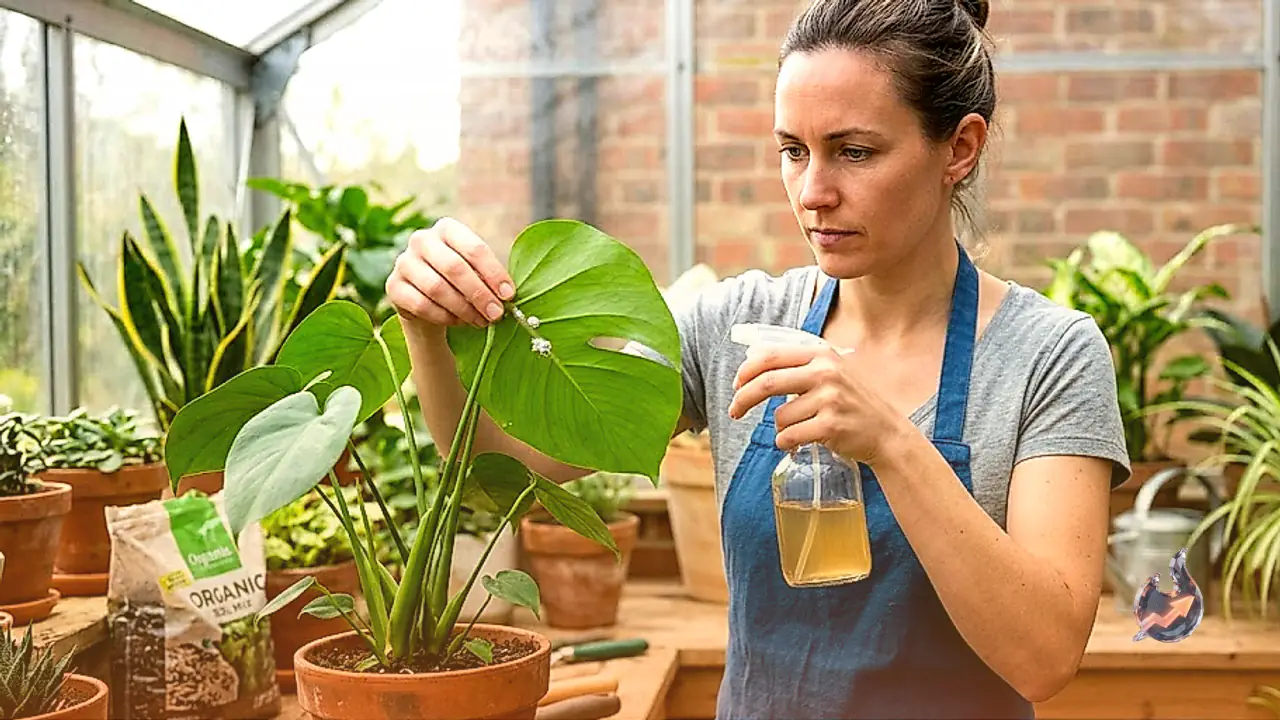
For mild to moderate pest infestations, applying a neem oil spray offers a practical and effective solution. Neem oil should be mixed with water in the correct proportion, alongside a few drops of mild liquid soap to act as an emulsifier. Spray this solution lightly on both the upper and lower surfaces of the affected leaves.
Avoid applying neem oil spray during hours of direct, intense sunlight, as this can scorch the foliage. Evening hours or shaded environments are ideal for spraying. If the infestation is severe, a single spray will not eradicate the problem. In such cases, prune heavily infested leaves, wipe away visible bugs using a soft cloth or a gentle water stream, and inspect the plant every few days.
Avoiding Over-Watering and Establishing Daily Inspection Habits
A common mistake plant owners make when discovering pests is over-watering in an attempt to revive the plant. Excessive moisture can cause more harm than the pests themselves. Consistently waterlogged soil leads to root rot and fungal infections, impairing the plant's ability to absorb nutrients.
Before watering, check the top layer of soil with a finger. If the soil feels damp, hold off on watering. Additionally, ensure the plant receives adequate exposure to sunlight and natural air circulation. The most effective preventative measure against mealybugs is spending a few minutes each day inspecting foliage. Check the undersides of leaves, tender growth, and stem joints regularly so minor infestations can be cleaned off before spreading.