
















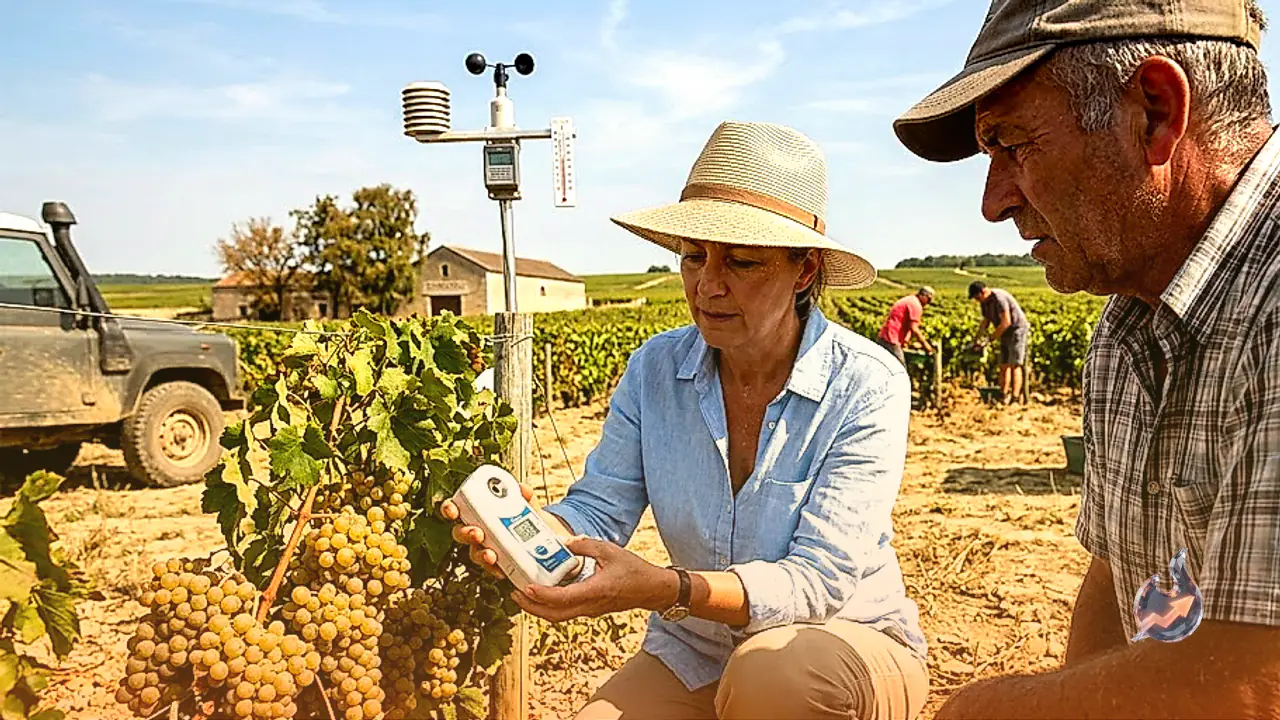

Connoisseurs of fine French sparkling wine may soon find themselves feeling the effects of their favorite beverage much faster than usual. Following a summer characterized by record-breaking heatwaves and intense dry spells, winemakers in France have officially been granted permission to increase the maximum alcohol content allowed in champagne. This regulatory shift marks the first time such an exception has been made, highlighting the profound and immediate impact that changing global weather patterns are having on traditional agricultural practices and the luxury beverage industry.
An Exceptional Shift in Regulatory Alcohol Caps
Industry representatives have confirmed that wine producers in the historic Champagne region have been authorized to temporarily produce sparkling wines with an alcohol content of up to 15%. This represents a significant departure from the traditional regulatory cap, which strictly limited the alcohol content of champagne to 13%. The root cause of this change lies in the intense heat and severe drought conditions experienced during the summer months. These environmental factors caused the grapes to develop exceptionally high concentrations of natural sugars. During the fermentation process, yeast consumes these sugars and converts them into alcohol, meaning that sweeter grapes naturally result in a beverage with a much higher alcohol by volume (ABV).
The Mechanics of Secondary Fermentation
A spokesperson for the Comite Champagne clarified that this temporary increase in the legal limit is expected to apply to only a very small percentage of the overall wine production. The issue primarily arises during the secondary fermentation phase, which is the specific process conducted inside the bottle to generate the characteristic sparkling bubbles. Due to the high sugar levels of the current harvest, a tiny fraction of the wines could naturally exceed the standard 13% limit, creeping up to approximately 13.1% or 13.2% alcohol. To prevent these high-quality bottles from violating strict industry standards and trade regulations, authorities decided to exceptionally and temporarily raise the official legal ceiling to 15% exclusively for this year's output.
The Extreme Weather of the 2026 Growing Season
The 2026 agricultural year will undoubtedly go down in history as one of the most unpredictable and volatile seasons ever recorded in the Champagne region. The year commenced with severe spring frosts of historic intensity, which placed early vine growth under immense threat. This cold snap was rapidly followed by an exceptionally early flowering period. As the summer progressed, the region was battered by five consecutive heatwaves alongside prolonged drought conditions, which drastically accelerated the fruit ripening process. Consequently, the grape harvest began in early August and expanded rapidly by the middle of the month, establishing the earliest harvesting schedule ever documented in the history of the region.
The Northward Migration of Mediterranean Climates
The long-term implications of these changing conditions are causing serious concern among local growers. Stéphane Vignon, a seasoned champagne producer based in the village of Verzenay, remarked that the Mediterranean climate zone is visibly migrating further north. He noted that this season represents the starting point of an entirely new environmental cycle, and while such extreme heatwaves may not occur consecutive year, they are highly likely to become a recurring feature. Maxime Toubart, the co-chair of the Comite Champagne, voiced a similar long-term outlook, stating that the high probability of warmer global temperatures in the coming years means this highly unusual early harvest timeline will likely transition into the standard norm within the next 10 to 15 years.
The Clash Between Nature and Consumer Preferences
Despite the regulatory allowance, producing higher-strength champagne presents a distinct commercial challenge. Jane Anson, a prominent wine columnist and author based in Bordeaux, warned that higher-alcohol content is not a favorable selling point in the modern global market. Current consumer trends show a steady preference for lighter beverages with lower alcohol percentages. The inevitable conflict between what modern consumers desire and what natural weather conditions force the land to produce is creating an incredibly stressful environment for historic winemakers, who must balance centuries of tradition against rapid ecological shifts.
A Prolonged Path from Vineyard to Shelf
Consumers interested in experiencing the unique characteristics of this historic vintage will have to exercise patience. Under strict regional laws, champagne must undergo a maturation and aging process of at least 15 months before it can be cleared for public sale. Because of these rigorous aging requirements, bottles originating from the historic 2026 harvest are highly unlikely to appear on retail shelves or restaurant menus until at least 2028.