





















A rapid sequence of seismic tremors rattled the mountainous nation of Tajikistan during the early hours of Wednesday, November 4. Residents across the Central Asian territory were jolted awake as the ground shook six separate times within a tight window of just 1 hour and 16 minutes. Instrument readings placed the tremor intensities between magnitude 3.2 and 5.3. The unrelenting barrage of ground vibrations triggered significant unease among the local populace, raising fears over whether these clustered tremors might serve as foreshocks to a much heavier geological rupture.
Timeline of the 76-Minute Seismic Swarm
Data recorded by the National Center for Seismology (NCS) revealed that the sequence commenced precisely at 3:04 AM. That initial event registered as the most powerful tremor of the entire cluster, measuring a magnitude of 5.3 at a hypocentral depth of 55 kilometers beneath the surface. Barely five minutes later, at 3:09 AM, a secondary jolt measuring magnitude 4.5 hit the same territory, originating from an extremely shallow depth of 10 kilometers.
The subterranean unrest showed no immediate signs of stopping. At 3:24 AM, monitoring stations logged a third event measuring magnitude 3.9, which also sat at a depth of 10 kilometers. A fourth tremor followed at 3:43 AM with a magnitude of 3.3, maintaining the same 10-kilometer depth profile. Approximately twenty minutes later, at 4:03 AM, subterranean sensors picked up a fifth shock measuring magnitude 3.2, though this one originated substantially deeper at 170 kilometers. The barrage finally subsided after a sixth jolt of magnitude 4.2 occurred at 4:20 AM, once again centered at a 10-kilometer depth, bringing the tally to six distinct events across 76 minutes.
Shallow Focal Depths Magnify Ground Shaking
From a seismological perspective, the depth profile of this cluster explains why the tremors felt so alarming to people on the ground. Out of the six events, four struck at an ultra-shallow focal depth of just 10 kilometers. Shallow earthquakes release their mechanical energy very close to the earth's surface, leaving minimal rock layers to attenuate the shockwaves before they reach residential structures. While the 170-kilometer deep event dissipated widely and the initial 55-kilometer tremor released moderate deep energy, the repeated shallow disturbances intensified the shaking felt across nearby settlements.
Tectonic Collision Driving Central Asian Earthquakes
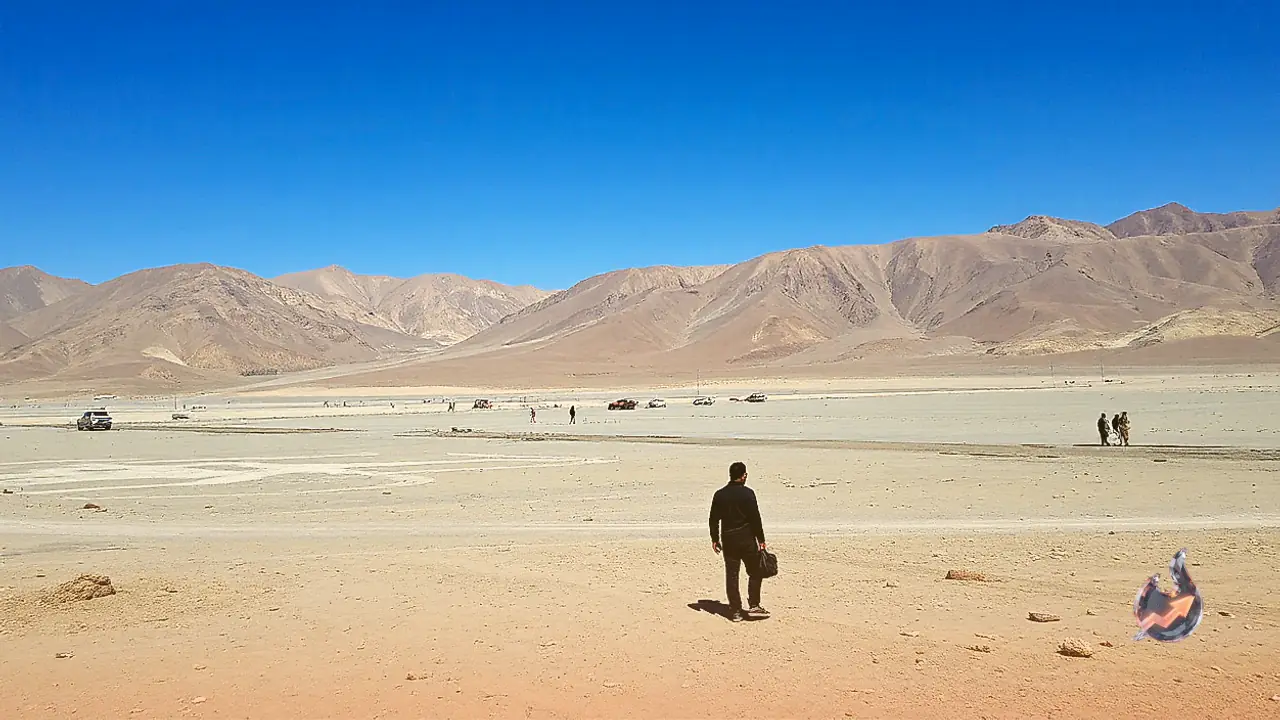
Tajikistan's geographic setting sits atop one of the most volatile tectonic collisions on Earth. Much of the country's rugged landscape is defined by the soaring Pamir and Hindu Kush mountain ranges. These towering terrains were forged and continue to be reshaped by the northward movement of the Indian tectonic plate pushing relentlessly against the Eurasian plate. The immense strain that accumulates along this regional boundary periodically fractures deep rock masses, producing recurring seismic activity. The geologically hyperactive fault systems threading through the Pamir and Hindu Kush mountains ensure that this segment of Central Asia remains under perpetual seismic surveillance.