






















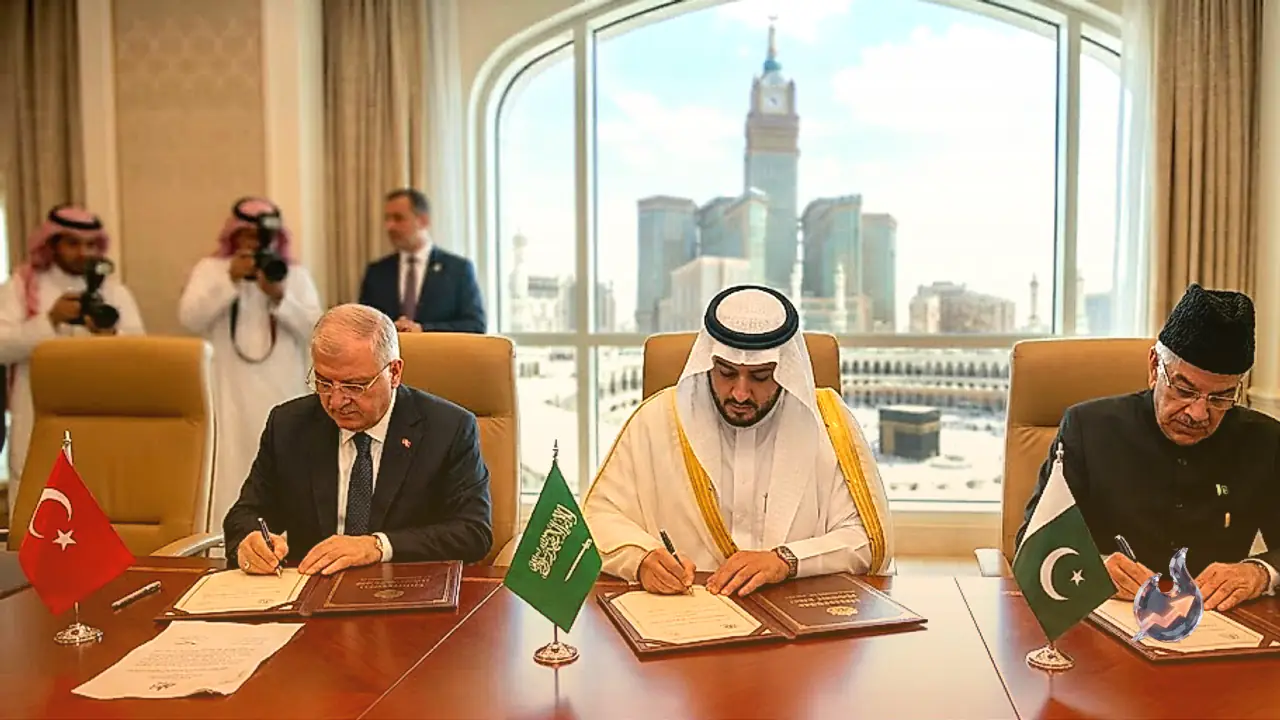

Amid escalating geopolitical tensions across West Asia, a major strategic alignment has emerged in the region. Saudi Arabia, Turkey, and Pakistan have elevated their military relations by signing a comprehensive trilateral security pact named the Mecca Joint Defense Agreement. Hosted by Saudi Arabia's Crown Prince Mohammed bin Salman in the holy city of Mecca, the summit was attended by Turkish President Recep Tayyip Erdogan, Pakistani Prime Minister Shehbaz Sharif, and Pakistani Army Chief General Asim Munir. The core operational clause of this defense treaty is modeled on NATO's collective defense framework. Under this clause, an armed attack against any one of the three signatory nations will be treated as an attack against all three, committing them to a joint defense response. This new alliance has captured international diplomatic attention while provoking a hostile reaction from regional rival Iran.
Key Provisions and Strategic Alignment of the Mecca Pact
The Mecca Joint Defense Agreement is structured to significantly enhance military cooperation, intelligence sharing, and defense manufacturing collaboration among the three nations. Far beyond a passive security guarantee, the agreement outlines a framework for developing joint industrial projects within the defense sector. Geopolitical analysts view this pact as a pivotal shift in Middle Eastern power dynamics, as it combines three distinct military and economic capabilities. Saudi Arabia brings immense financial capital and oil wealth to the alliance. Pakistan contributes its strategic nuclear arsenal and massive standing army. Meanwhile, Turkey provides NATO's second-largest military force alongside an advanced domestic arms manufacturing industry. The convergence of these capabilities introduces a potent new bloc in regional security math.
Erdogan's Counter-Terrorism Claims Face Diplomatic Skepticism
Turkish President Recep Tayyip Erdogan hailed the agreement as a historic milestone built on collective deterrence. In his official statement, Erdogan asserted that the framework would accelerate joint defense industrial initiatives and serve as a vital mechanism to fight terrorism. However, Erdogan's assertion that this pact will eliminate terror networks has drawn widespread skepticism from international observers. Pakistan's foreign policy record has long been criticized globally for harboring, supporting, and deploying militant proxy groups. The claim of combating global terror alongside a state frequently linked to terror infrastructure appears contradictory to defense analysts. Analysts suggest that Turkey is leveraging this alliance to reinforce its ambitions as a prominent leader in the Islamic world by deepening strategic ties with Riyadh and Islamabad.
Iran's Severe Backlash and Direct Warning to Riyadh
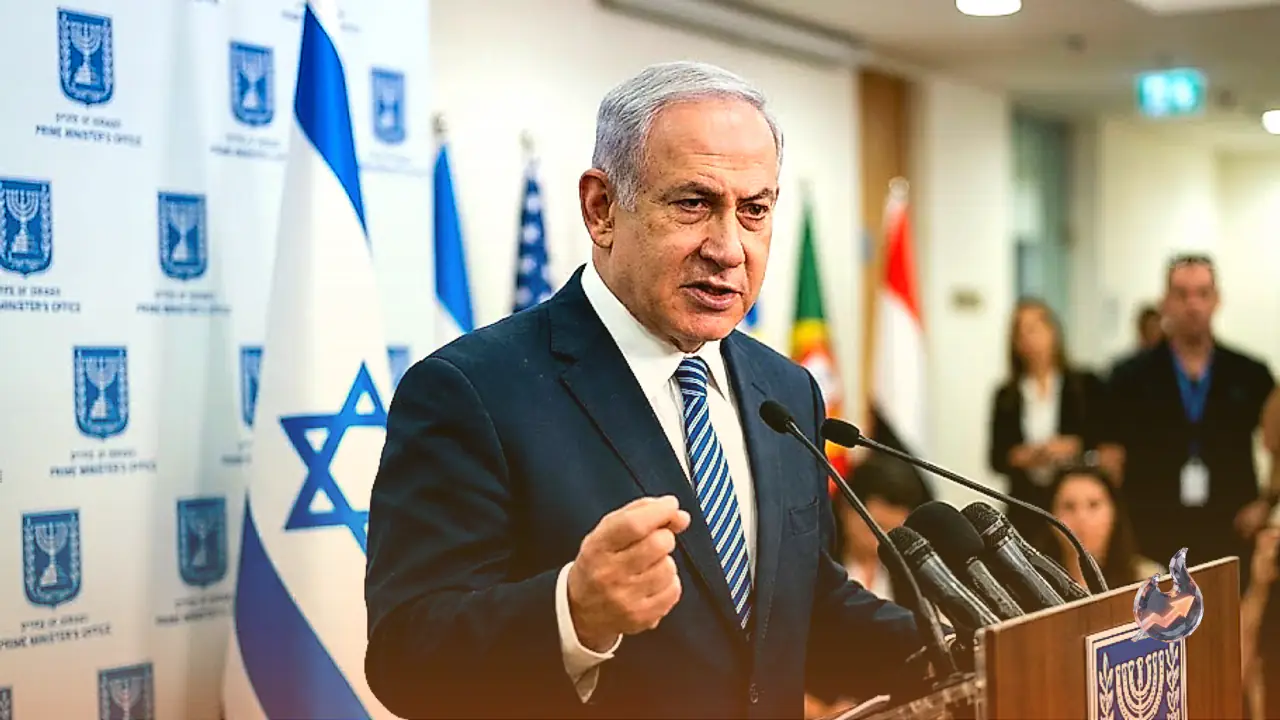
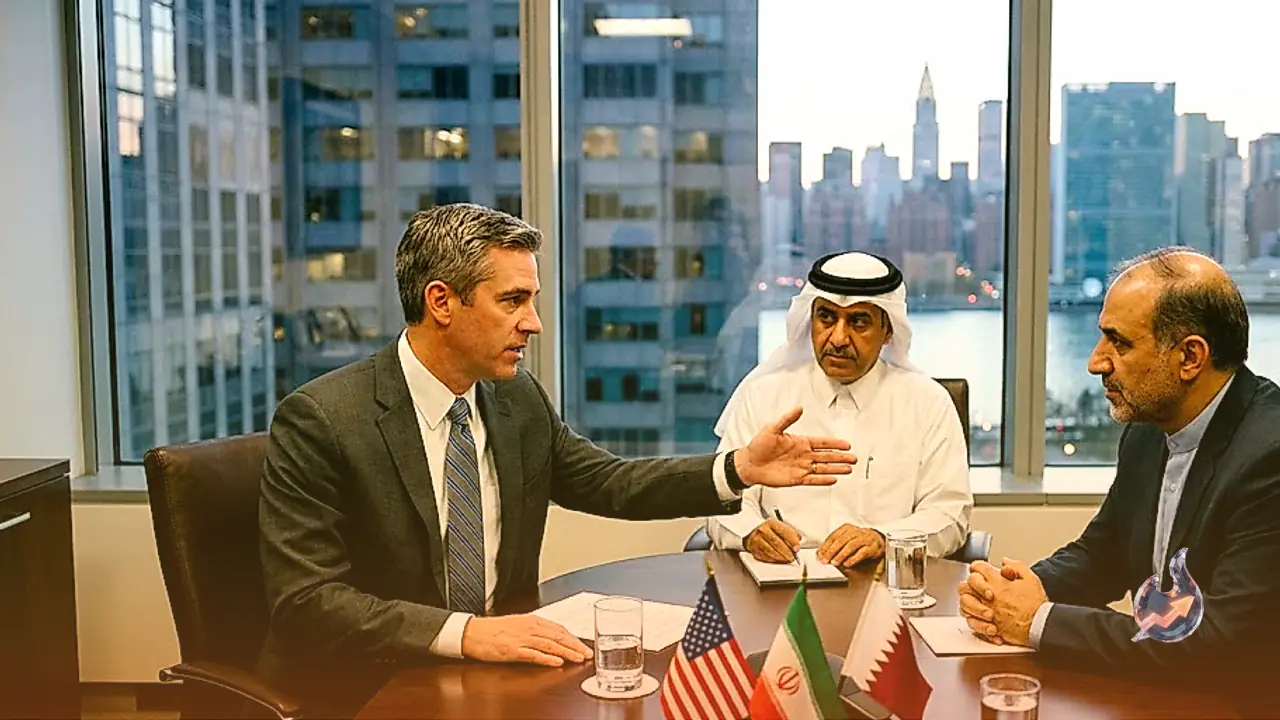
The announcement of the Mecca pact drew an immediate and defiant response from Tehran. Ebrahim Rezaei, a senior member of Iran's Parliament and National Security Commission, voiced strong condemnation of the agreement. In a statement published on the social media platform X, Rezaei dismissed the trilateral treaty as merely a piece of paper. Addressing Saudi leadership directly, Rezaei warned that paper agreements with Turkey and Pakistan would fail to provide genuine security for Riyadh. He highlighted that decades of close security reliance on the United States had ultimately failed to guarantee Saudi Arabia's safety. Rezaei added that if Saudi Arabia reformed its regional foreign policies, it would not need to seek external security guarantees or beg for protection from foreign powers. This reaction underscores the persistent Cold War dynamic and deep distrust between Iran and Saudi Arabia.
Saudi Arabia's Security Dilemmas and Pivot Beyond Washington
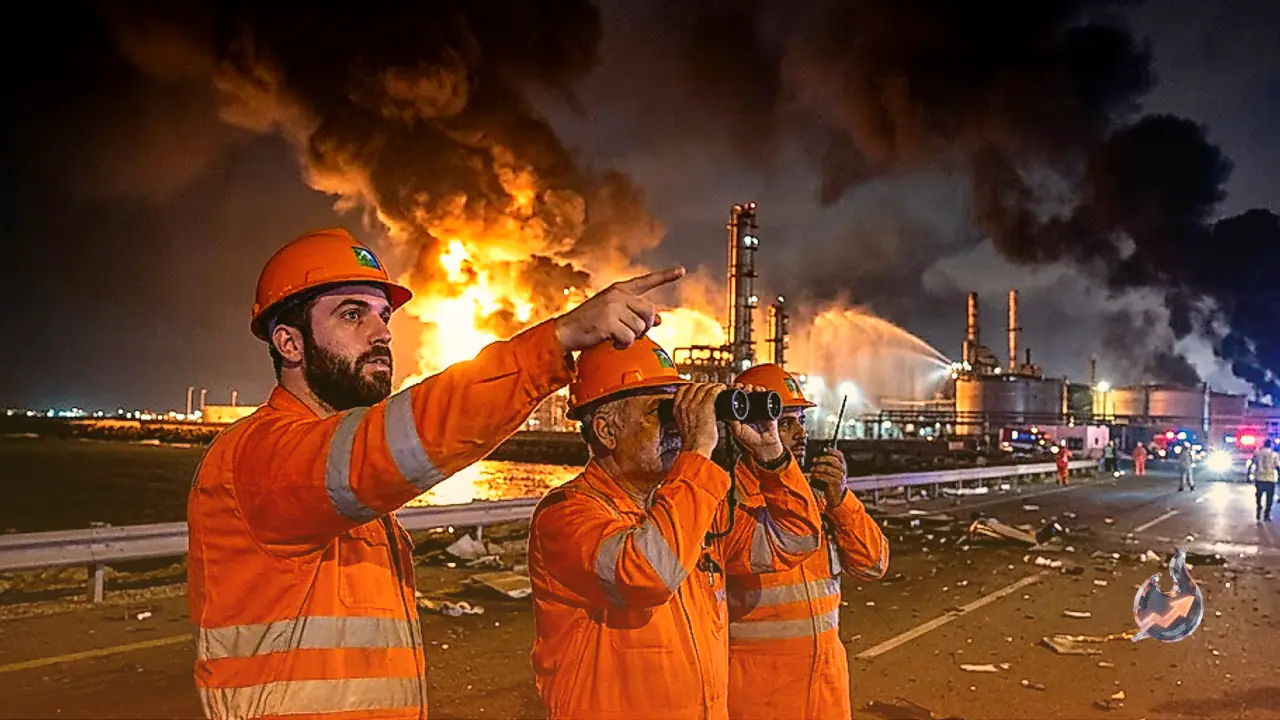
Riyadh's decision to pursue alternative defense alliances is rooted in pressing security vulnerabilities. Saudi Arabia faces persistent threats from Iran and its regional proxies. Yemeni Houthi rebels and Iraqi militia groups have repeatedly launched drone and missile strikes targeting critical Saudi oil facilities, refineries, and strategic urban centers. Historically, Saudi Arabia relied almost exclusively on security guarantees from the United States. However, shifting Washington priorities and the heavy focus of US foreign policy on Israel during recent regional conflicts have amplified security anxieties in Riyadh. Consequently, Saudi Arabia is actively diversifying its defense partnerships away from single-source reliance on Western powers. Saudi Arabia and Pakistan share long-standing bilateral ties. Approximately 2.5 million Pakistani citizens currently reside and work in Saudi Arabia, contributing to its workforce, while Riyadh frequently provides economic bailouts to assist Pakistan's struggling economy. The Mecca treaty formalizes and expands this long-standing relationship into a structured military alliance.
Shifting Regional Dynamics and Strategic Consequences
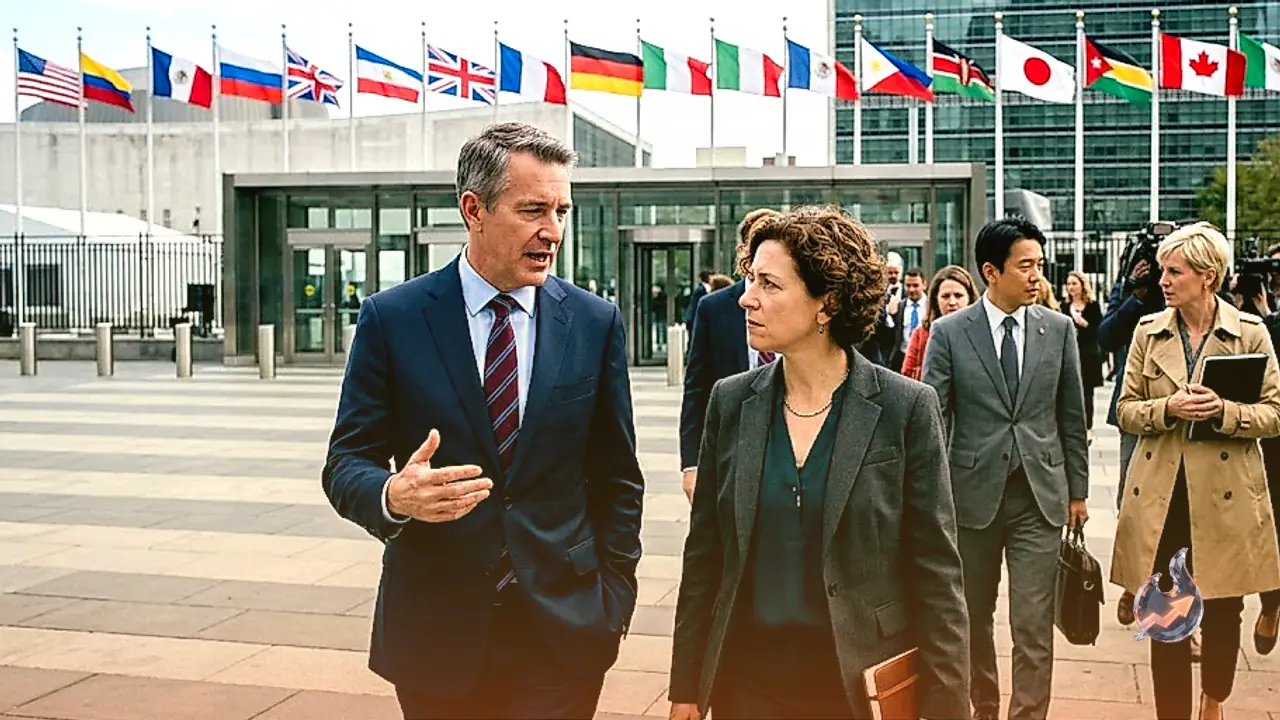
The strategic landscape in the Middle East remains volatile as the US aligns closely with Israel, leaving several regional nations feeling exposed. Diplomatic relations between Turkey and Israel have deteriorated significantly over the conflict in Gaza, with Turkey also taking firm stances against Israeli actions regarding Lebanon and Iran. Nihat Ali Ozcan, a strategist at an Ankara-based think tank, noted that rapidly shifting regional realities are forcing nations to establish new security mechanisms. Turkey's aggressive push to position itself as a dominant global actor through such treaties could fundamentally alter the balance of power across the Middle East.
Calculated Mutual Gains for the Signatory Triad
The Mecca Joint Defense Agreement offers clear transactional benefits for all three participating nations. Pakistan, currently enduring a severe economic crisis, urgently requires Saudi petrodollars and financial liquidity to stabilize its economy. In exchange, Islamabad offers nuclear deterrence backing and military manpower support. For Turkey, the alliance opens an expansive market for its growing defense export sector, allowing Ankara to supply advanced drones, missile systems, and military hardware to Saudi Arabia while expanding its geopolitical influence across the Muslim world. For Saudi Arabia, the treaty secures nuclear deterrence coverage from Pakistan alongside access to advanced Turkish military technology, effectively broadening its defense posture.