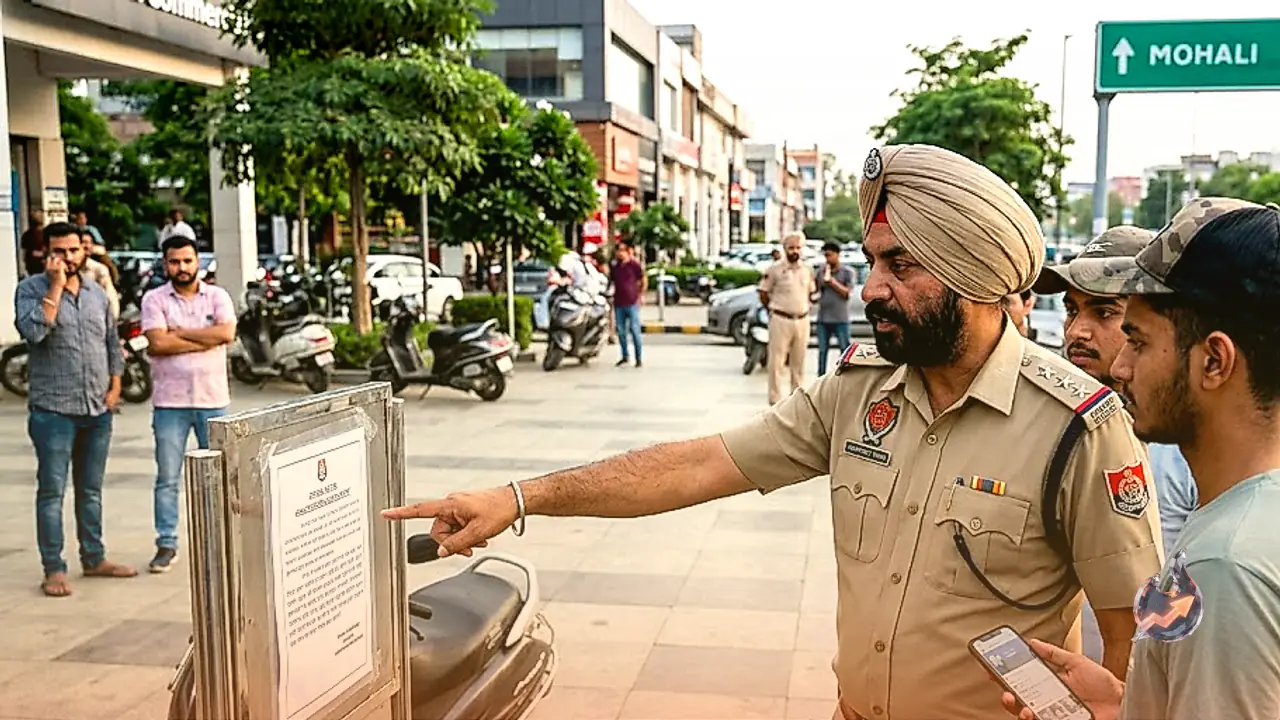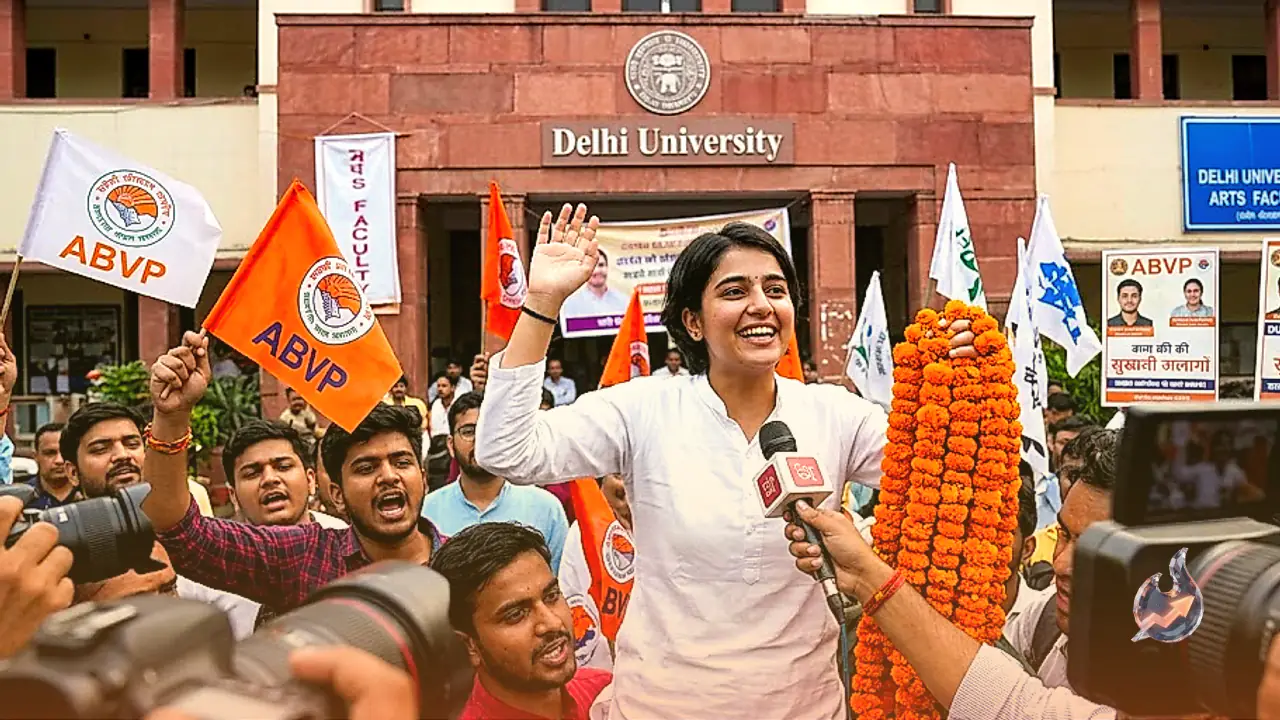


















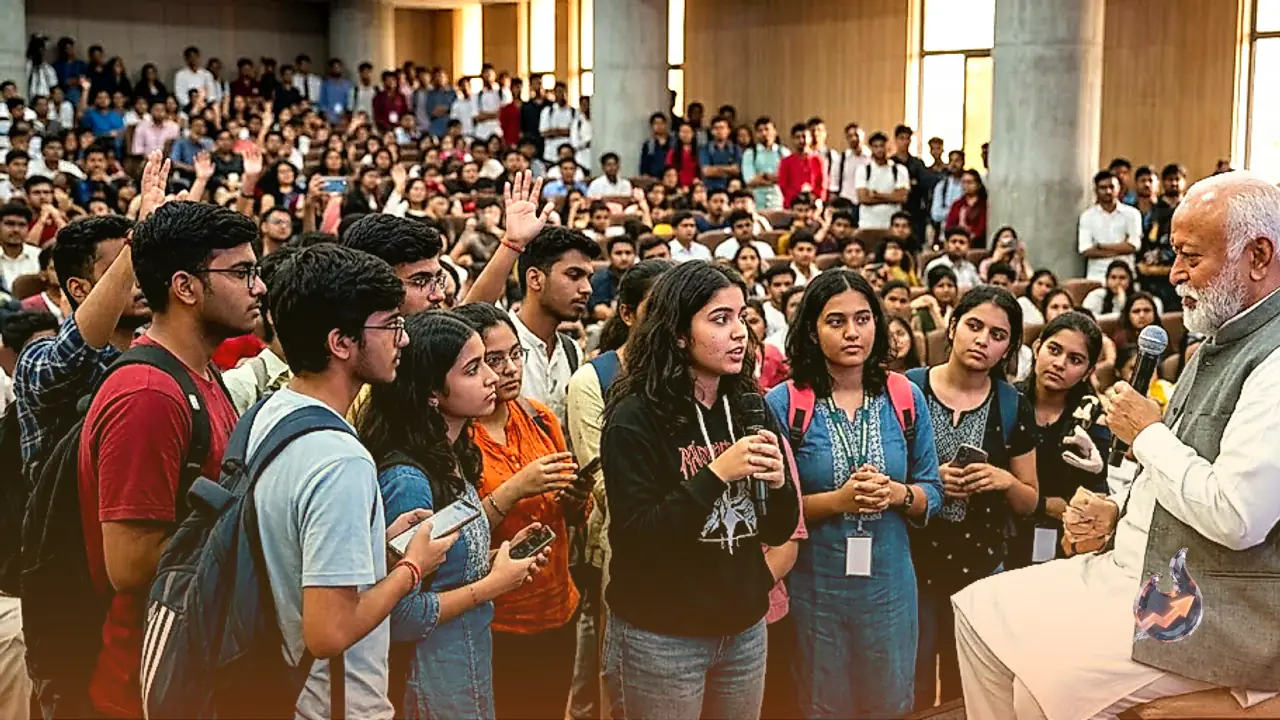

In the wake of massive student protests over the NEET examination controversy at Delhi's Jantar Mantar, the Rashtriya Swayamsevak Sangh has signaled a significant evolution in its outreach strategy. RSS Chief Mohan Bhagwat is scheduled to participate in an interactive session with thousands of Gen-Z and Gen-Alpha students on Thursday in Mumbai. Organized under the auspices of IIMUN, this dialogue offers a direct platform for the RSS leadership to listen to and understand the viewpoints of the country's youth. Political and social observers view this interaction as a noteworthy juncture in the organization's approach, indicating how the RSS aims to adapt its engagement style in response to changing youth dynamics and recent student unrest.
Impact of Jantar Mantar Protests and Ministerial Resignation
The nationwide student agitation centered at Jantar Mantar highlighted the active political engagement and assertive posture of the Gen-Z demographic regarding examination integrity. The protest culminated in the resignation of Education Minister Dharmendra Pradhan. Beyond the immediate political resolution, the intensity of the movement prompted thinkers within the RSS ecosystem to re-examine existing communication channels between youth and institutions. The upcoming Mumbai interaction reflects an intent to engage directly with student sentiments and address underlying concerns regarding academic governance and institutional accountability.
Transitioning from Obedience to Direct Q&A Culture
Addressing the developments around the student movement, RSS Chief Mohan Bhagwat emphasized that today's youth are not strayed but require constructive guidance and open dialogue. He noted that the era of relying solely on obedience has drawn to a close, stressing the need for a culture based on direct questioning and logical discourse. Political analysts observe that following the discontent expressed at Jantar Mantar, traditional ideological appeals alone are insufficient for connecting with younger generations. Effective engagement requires focusing on practical issues such as educational fairness, employment prospects, transparent examination procedures, and the realities of a digital lifestyle.
Organizational Adaptation in the Centenary Phase
Sudeep Singh, who is closely associated with RSS ideology, notes that this approach is consistent with the organization's historical practice of adapting to changing times since its inception in 1925. The emphasis on reasoned conversation rather than top-down directives reflects internal adjustments within the organization, including greater attention to individual freedom, gender equality, and inclusive respect. Concurrently, political analyst Sanjeev Pandey highlights that in response to challenges like screen addiction and social media dominance among Gen-Z, the RSS is expanding its reach beyond traditional physical gatherings to include digital forums and modern interactive platforms. As the RSS approaches its centenary period in 2025-26, establishing meaningful connections with younger cohorts remains a primary strategic objective.
Demographic Realities and Outlook Heading Toward 2029
Strategic commentators point out that the aspirations and queries of India's youth in 2026 differ substantially from those of earlier eras. The Jantar Mantar demonstrations underscored the potential for friction when communication gaps exist between youth and leadership. By engaging directly with Gen-Z and Gen-Alpha students, the RSS aims to accommodate youth perspectives within its broader civic framework. With India maintaining one of the youngest demographic profiles globally, Gen-Z and Gen-Alpha voters will represent a major electoral segment by the 2029 general elections. The effort seeks to channel youth energy and grievances into constructive national participation and civic responsibility.