





















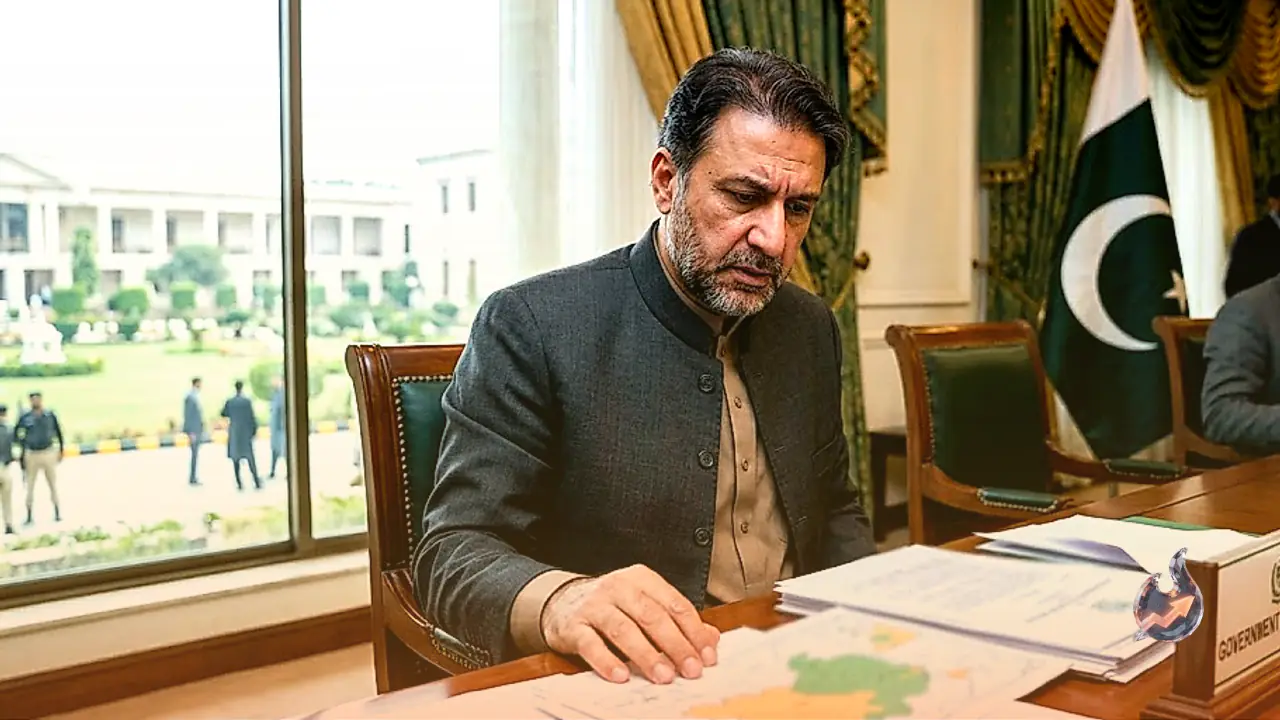

A major transformation could soon unfold across the geopolitical landscape of South Asia as policymakers in Islamabad actively deliberate over the future administrative setup of Pakistan-administered Kashmir and Gilgit-Baltistan. According to insider reports, the government in Pakistan is giving serious thought to amending its national constitution to grant an interim provincial status to both of these disputed regions.
Growing Anxiety Since 2019
Ever since August 2019, when India revoked Article 370 and reorganized Jammu and Kashmir and Ladakh into two distinct union territories, a palpable sense of political pressure and nervousness has persisted within Pakistani official circles. This ongoing uneasiness has now triggered high-level discussions regarding the legal positioning of the territories under its control.
Debates are currently underway in Pakistan on whether to introduce a 28th constitutional amendment or enact specialized legislation to alter the legal standing of these zones. Furthermore, authorities are exploring modifications to Article 1(2) of the Pakistani constitution, which formally defines the geographical boundaries of the nation.
For decades, Pakistan has maintained these territories under a separate administrative category distinct from its official provinces. Should this proposed plan materialize, it would mark a massive departure from Pakistan's traditional Kashmir policy pursued over many decades. Nevertheless, the complete framework and final blueprint are yet to be finalized by the administration.
All Eyes on India-China Dialogue
A primary catalyst behind this sudden flurry of diplomatic activity and internal strategizing within Pakistan is the ongoing dialogue and gradual improvement in relations between India and China regarding border disputes. Islamabad is monitoring these bilateral talks with intense apprehension, fearing that any major border settlement between New Delhi and Beijing could dramatically alter the regional balance of power.
It is important to remember that parts of Indian territory are held by China, while Pakistan maintains illegal occupation over PoK and Gilgit-Baltistan. Additionally, Pakistan ceded the strategic Shaksgam Valley to China in 1963, an arrangement that India has consistently rejected. Consequently, any significant understanding reached between India and China has the potential to severely undermine Pakistan's territorial claims.
With ties between India and China gradually moving toward normalization, Islamabad worries that its traditional alliance with Beijing could face repercussions. To counter this strategic dilemma and shore up its geopolitical standing, Pakistan is now laying the groundwork to alter the administrative status of PoK and Gilgit-Baltistan.