





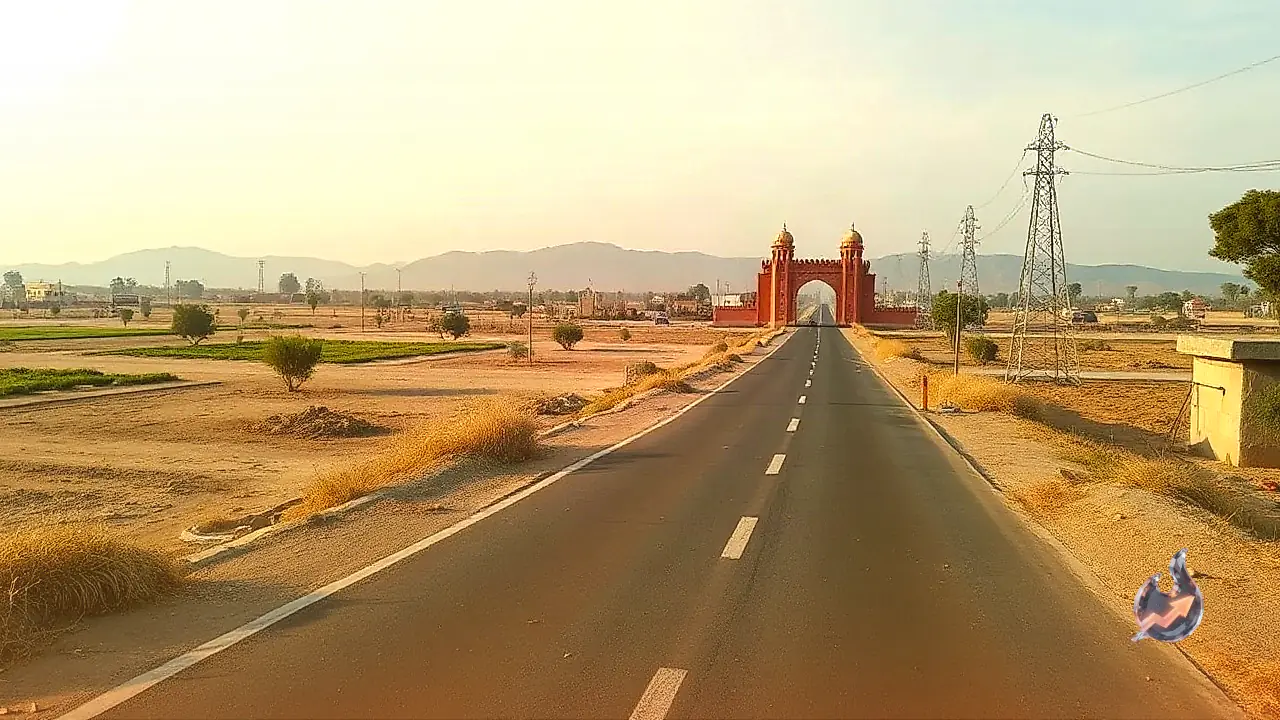















The Public Works Department has taken a major step toward enhancing rural infrastructure in the Laxmangarh sub-division of Sikar district by approving funds for road development. A total administrative and financial sanction of Rs 1.97 crore has been granted to convert three key unpaved rural paths into metalled roads. This initiative will significantly improve transportation for villagers living in remote hamlets, providing long-term relief to farmers, school students, and daily commuters.
Sanction of Rs 1.97 Crore for Laxmangarh Rural Roads
With the administrative approval formally issued by the department, construction work on these vital link routes is expected to commence soon. The primary objective of this project is to link isolated hamlets directly with main roads, eliminating the persistent connectivity issues faced by residents during heavy rains. Metalled roads will ensure that emergency vehicles and daily commuters can travel smoothly throughout the year without facing waterlogging obstacles.
Details of the Three Approved Road Projects
Under the approved plan, the first road stretch measures 600 meters and connects Chhota Ghiraniya to Brahmanon Ki Dhani up to the main road. An amount of Rs 21.85 lakh has been allocated for this work, which will directly benefit around 300 residents by giving them hassle-free access to the primary road network.
The second project covers a 2.50-kilometer route extending from Patoda to Chaumalon Ki Dhani, with an estimated expenditure of Rs 87.50 lakh. The completion of this paved road will directly advantage nearly 600 people living in about 180 households, including the neighborhoods of Pujaris and Brahmanon. The third project entails constructing a 2.50-kilometer road from Dinwa to Chhinchhas via Nemichand Sharma's farmhouse. Budgeted at Rs 87.50 lakh, this road will serve nearly 2,200 villagers and farmers, facilitating smoother transit to the Gram Panchayat office and surrounding areas.
Enhanced Connectivity for Farmers and Students
PWD XEN Prakash Chandra Nitharwal stated that several existing tracks in these areas are currently unpaved and covered with loose gravel. During the monsoon season, waterlogging and severe mud formation create severe hazards for movement. The transition to bitumen roads will permanently mitigate these seasonal disruptions and strengthen the overall connectivity of rural pockets with main highways.
The development brings critical benefits to the agricultural community, as poor road conditions previously hampered the movement of tractor-trolleys carrying farm produce to commercial markets. Metalled surfaces will reduce vehicle wear and tear, save travel time, and streamline agricultural logistics. Furthermore, students attending nearby schools and colleges will experience safer and more reliable daily commutes.