


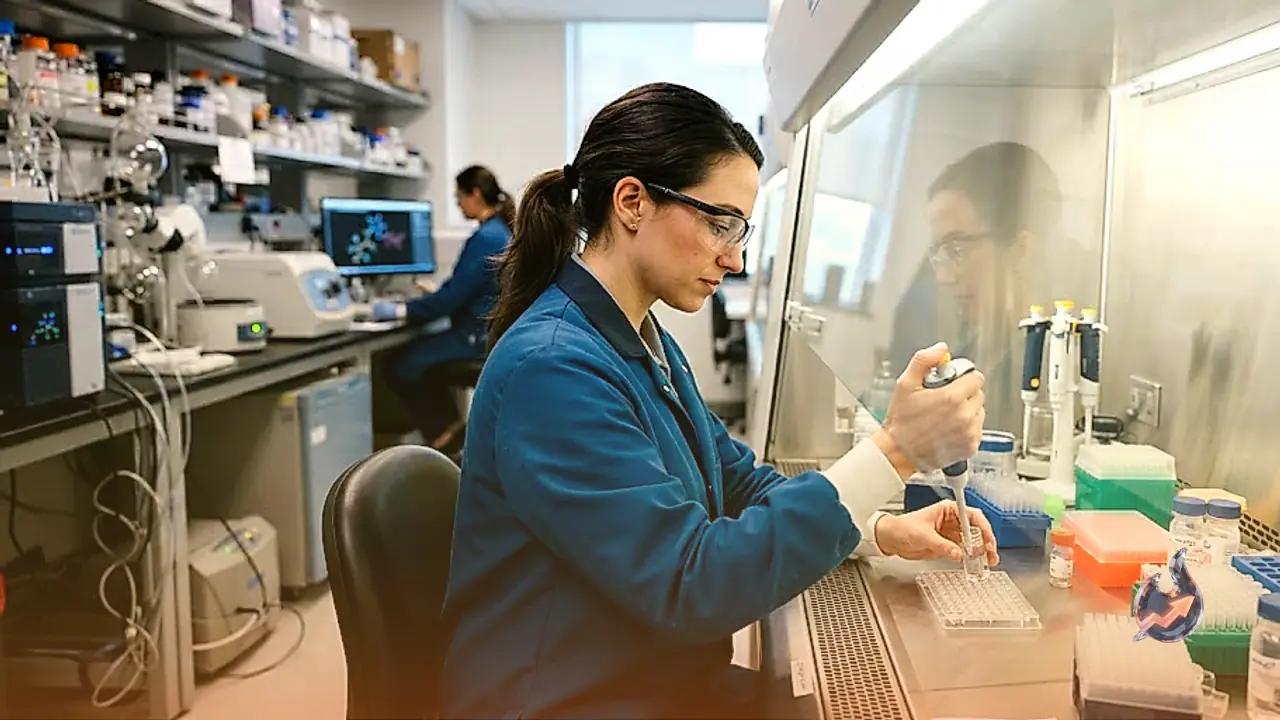






















A female patient has successfully lived with a transplanted pig kidney for more than nine months in a groundbreaking medical achievement that bypassed the need for dialysis entirely.
Surgery at Massachusetts General Hospital
The landmark operation took place at Massachusetts General Hospital on November 22 of last year. As of Thursday, the organ has maintained normal function for 285 days, according to data from eGenesis, the Cambridge, Massachusetts-based biotechnology firm responsible for utilizing Crispr gene editing to adapt the organ for human use. The previous duration record for a living recipient of a pig kidney stood at 271 days, set by Tim Andrews.
Patients awaiting a standard kidney transplant typically face a waiting period of three to five years, though this timeframe fluctuates based on blood type and other medical criteria. While waiting, individuals frequently undergo dialysis, a demanding medical process connecting blood vessels to an external machine that filters out metabolic waste and excess fluid. Standard dialysis protocols require four-hour sessions three times weekly, which gradually compromises blood vessel integrity and places heavy physical stress on the body.
Porcine organs represent a viable bridge until human donations become available, sharing similar dimensions and biological functions with human organs while addressing severe donor shortages. Scientists modify these organs genetically to mitigate acute immune rejection and minimize the transmission risks of endogenous retroviruses to transplant recipients.
Mike Curtis, CEO of eGenesis, notes that patient health deteriorates progressively during prolonged dialysis while human organ availability fails to keep pace with clinical decline. The enterprise deployed Crispr technology to eliminate specific porcine genes capable of triggering adverse immune reactions while introducing select human genes.
Curtis observes that Andrews experienced dramatic overall health enhancements while depending on the porcine kidney compared to chronic dialysis conditions.
Regulatory Pathway and Previous Cases
The female patient crossing the nine-month milestone marks the fifth individual to receive an eGenesis kidney via the expanded access regulatory framework. The Food and Drug Administration permits this mechanism to grant patients dealing with severe or life-threatening medical conditions access to experimental therapies when standard alternatives are absent.
The case of Andrews demonstrates that animal organs can serve temporary therapeutic roles. He received a porcine kidney in January 2025 before its removal in October due to declining renal metrics, subsequently returning to dialysis prior to receiving a human kidney transplant in January of this year. A second individual similarly transitioned to a successful human transplant following eight months with a porcine kidney, per eGenesis disclosures.
Scientific Insights and Future Trials
Curtis emphasizes that the organization gathers vital data with every procedure. A study published Thursday in The Lancet medical journal outlines the surgical team's findings regarding Andrews, determining that his graft ultimately failed due to thrombotic microangiopathy, characterized by the formation of microscopic blood clots within the transplanted organ.
Researchers are currently utilizing these findings to refine immunosuppressive drug regimens and dosage frequencies for recipients. Individuals receiving human organ grafts likewise require immunosuppression to counteract rejection risks, which can manifest anywhere from minutes post-surgery to years afterward.
Kidneys remain the most urgently required organ, with over 95,000 individuals listed nationally in the US. Donor shortages limited total US kidney transplants to fewer than 28,000 procedures throughout 2025.
The Food and Drug Administration has authorized eGenesis to execute a formal clinical trial involving up to 33 kidney failure patients aged 50 to 70 listed for human donation. Although the trial is scheduled for 2027, the firm intends to conduct further procedures through the expanded access framework in the interim, targeting a full year of functional longevity for a transplanted pig kidney.