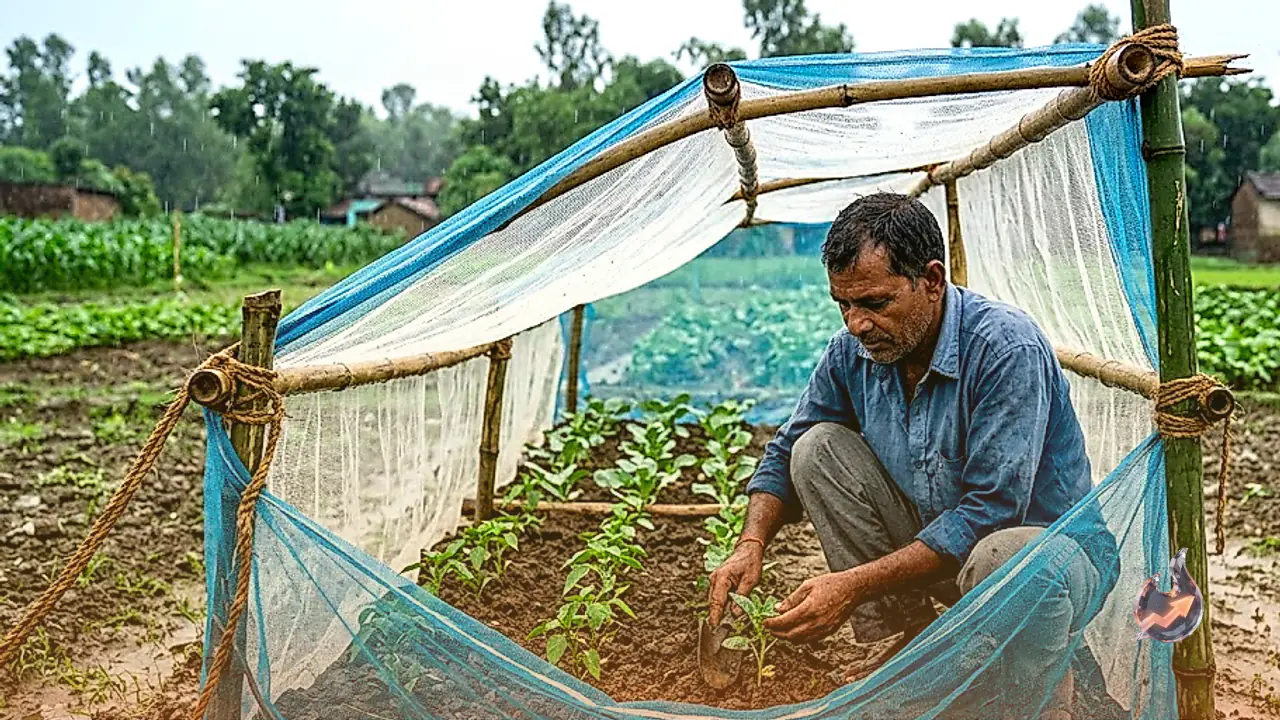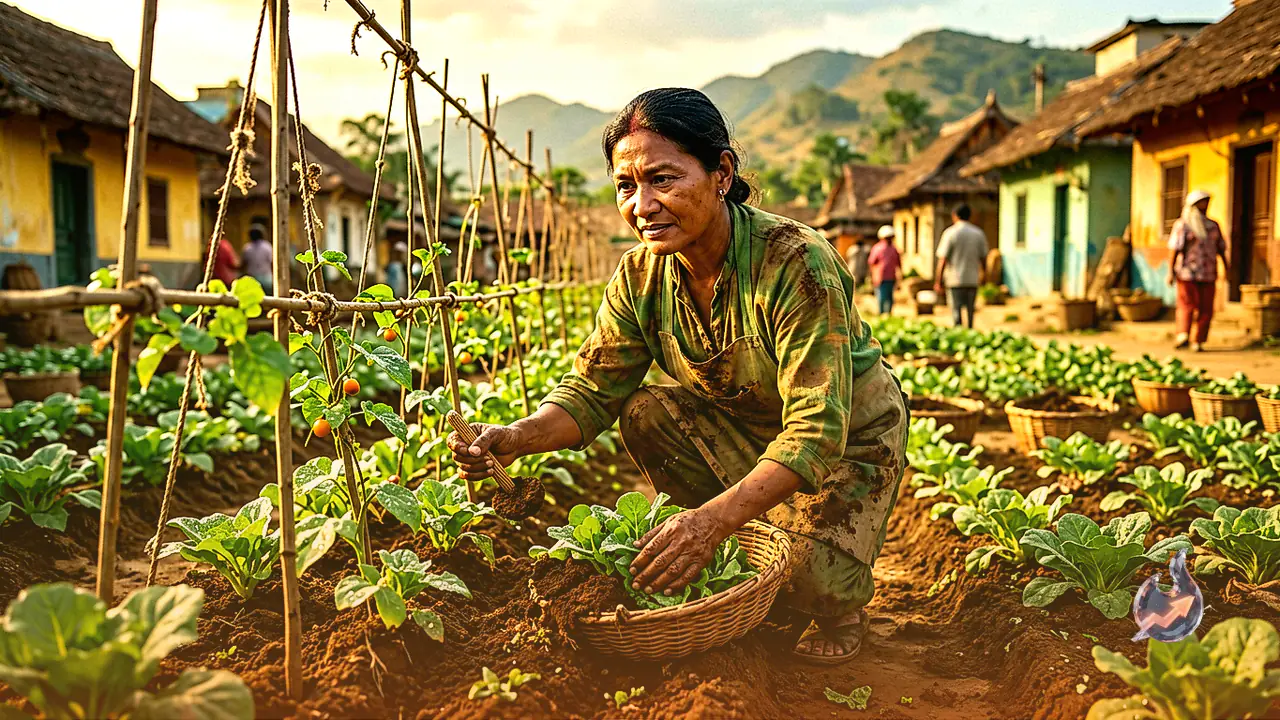























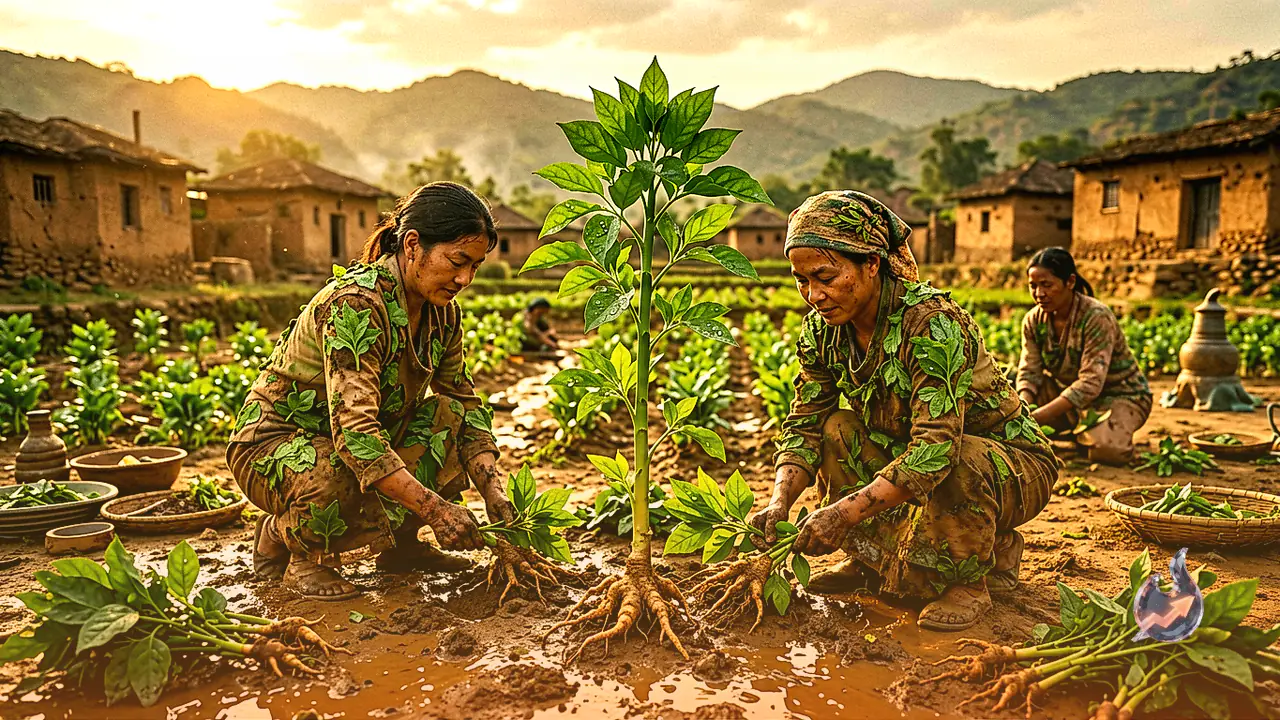

In Birdih village adjacent to Ranchi, the capital of Jharkhand, the arrival of the monsoon brings a unique agricultural opportunity that significantly boosts the income of local residents. Sunita Devi, a resident of the village, generates impressive daily earnings by cultivating Maan Patta in her home compound. The plant is easily recognizable by its massive leaves that grow up to 4 feet in length. Every single portion of this plant is edible, making it a highly valued crop locally known as a monsoon vegetable that sees immense demand in regional markets.
A Zero-Waste Crop and Market Rates
Cultivating Maan Patta has become a standard practice across almost every household in the village during the rainy season. According to Sunita Devi, selling just one stem and one leaf from the plant can generate up to 200 rupees in daily income. Each part of the plant commands its own price in the market. The large leaves sell at 20 rupees per kilogram, while the thick stems fetch 50 rupees per kilogram. The underground tuber or root vegetable, which is the most sought-after component, commands a price between 50 and 60 rupees per kilogram, enabling growers to maximize profits without any waste.
Culinary Uses and Distinct Flavor
Different parts of the Maan plant are repurposed into various traditional dishes. The broad leaves are commonly used to prepare crispy fritters known locally as Bachka or Pakaudi, while the tender stems are chopped and cooked into a savory dry fry called Bhujiya. The underground root vegetable is especially popular among local buyers due to its rich taste and texture, which closely resembles the traditional Ol root vegetable. Its unique flavor profile makes it a staple purchase during the season.
Traditional Cooking Process
Preparing the Maan root vegetable involves a specific step-by-step culinary method. Standard cooking spices are first ground into a fine paste. Next, four to five onions are finely sliced and fried in a pan until they attain a golden brown color. The ground spice paste and pieces of the vegetable are then added to the pan and thoroughly mixed. The dish is cooked over medium heat for 15 to 20 minutes, allowing the vegetable to absorb all the savory flavors completely.
Seasonal Availability and Market Demand
Maan Patta is a highly seasonal vegetable that cannot be harvested year-round. It grows exclusively during the peak rainy months of July and August when heavy precipitation feeds the soil. The plant either sprouts naturally in household courtyards or is cultivated deliberately for harvest. Once these two months pass, the plant disappears until the next monsoon. Due to its short harvest window and distinct taste, the vegetable experiences exceptionally high consumer demand in local markets throughout its brief season.