





















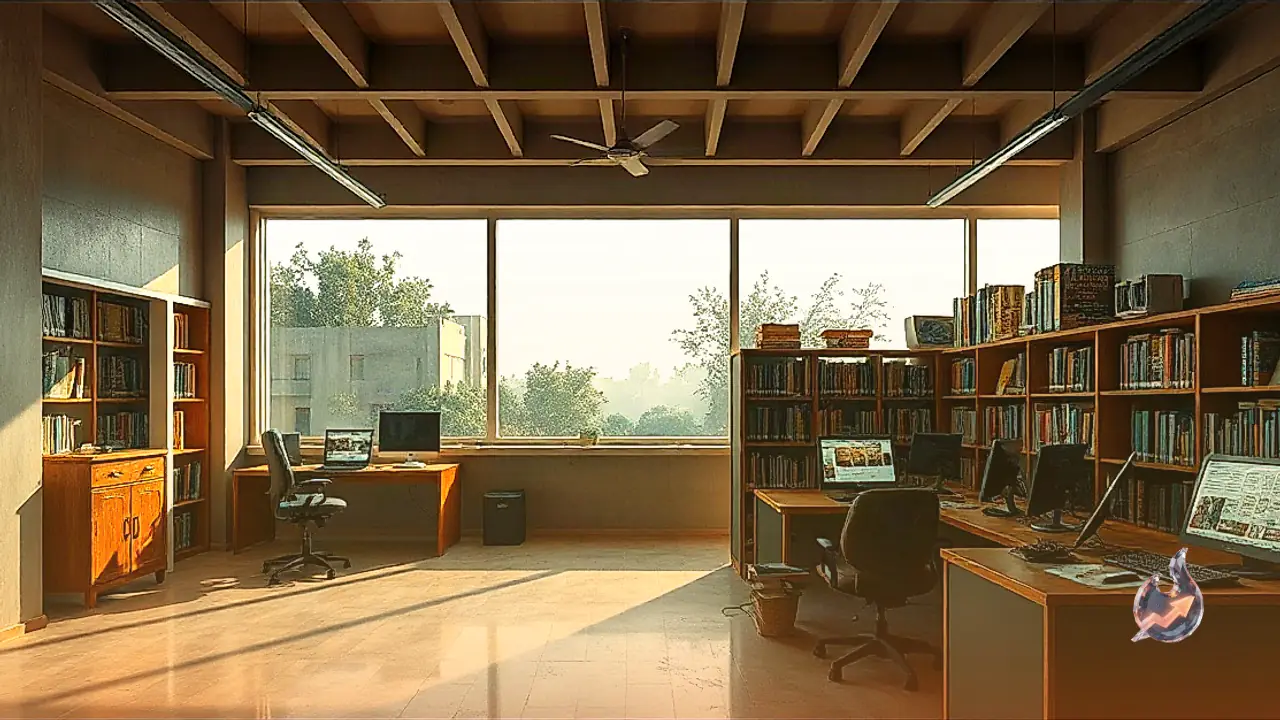

Rural students preparing for competitive examinations no longer face an absolute necessity to migrate to urban centers for resources. Historically, the lack of adequate local infrastructure in villages forced aspirants to relocate to cities, placing an additional financial burden on their families. To eliminate this obstacle, a major educational initiative has been successfully executed across the rural pockets of Azamgarh district, bringing advanced study facilities directly to local neighborhoods.
Digital libraries established in 303 village councils
Elaborating on the initiative, District Panchayat Coordinator Abhay Kumar Shahi stated that the target for constructing libraries in the first phase of selected village councils has been fully achieved. As many as 303 gram panchayats in Azamgarh now feature operational digital libraries designed to foster a quiet and inspiring academic environment rather than merely serving as storage spaces for books. The interiors have been carefully upgraded with PVC wall panels, curtains, high-quality paint, and comfortable seating furniture to ensure students can study for extended hours without discomfort.
Comprehensive book collection and modern technology
To support serious exam preparation, these libraries house competitive examination guides from the National Book Trust alongside various private publishers. Furthermore, government backing has ensured the installation of computers and smart TVs, allowing students to access digital content and contemporary educational methodologies. High-speed Wi-Fi connectivity has been installed across all facilities to bridge the digital divide. Basic necessities have not been overlooked, with clean drinking water and proper sanitation facilities established within the premises, while CCTV cameras have been installed to guarantee security.
Rigorous administrative verification underway
To maintain high standards, local authorities are conducting strict on-site inspections of all newly established digital libraries following directives from the state government and divisional commission. Officials are personally visiting the sites to evaluate the quality of infrastructure and ensure that all allocated amenities remain fully functional. Early observations from these inspections indicate a strong turnout, with school students and dedicated exam aspirants frequently visiting the facilities to utilize the modern resources available to them.