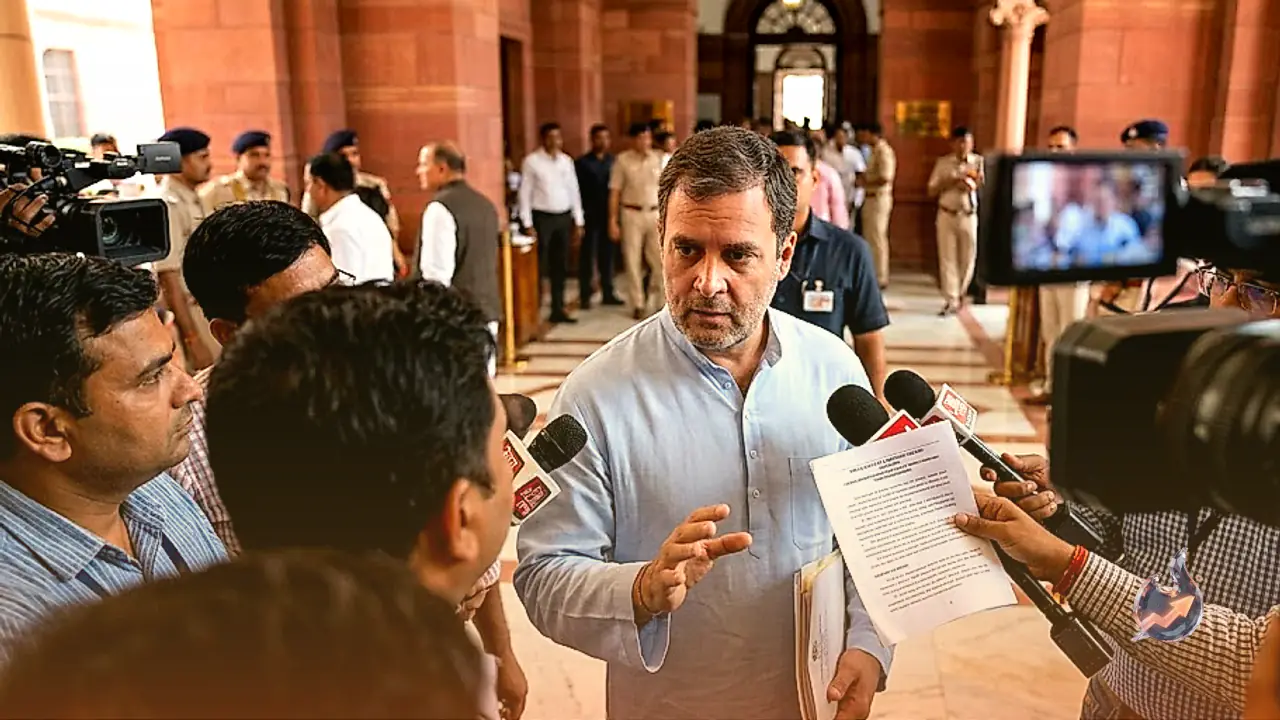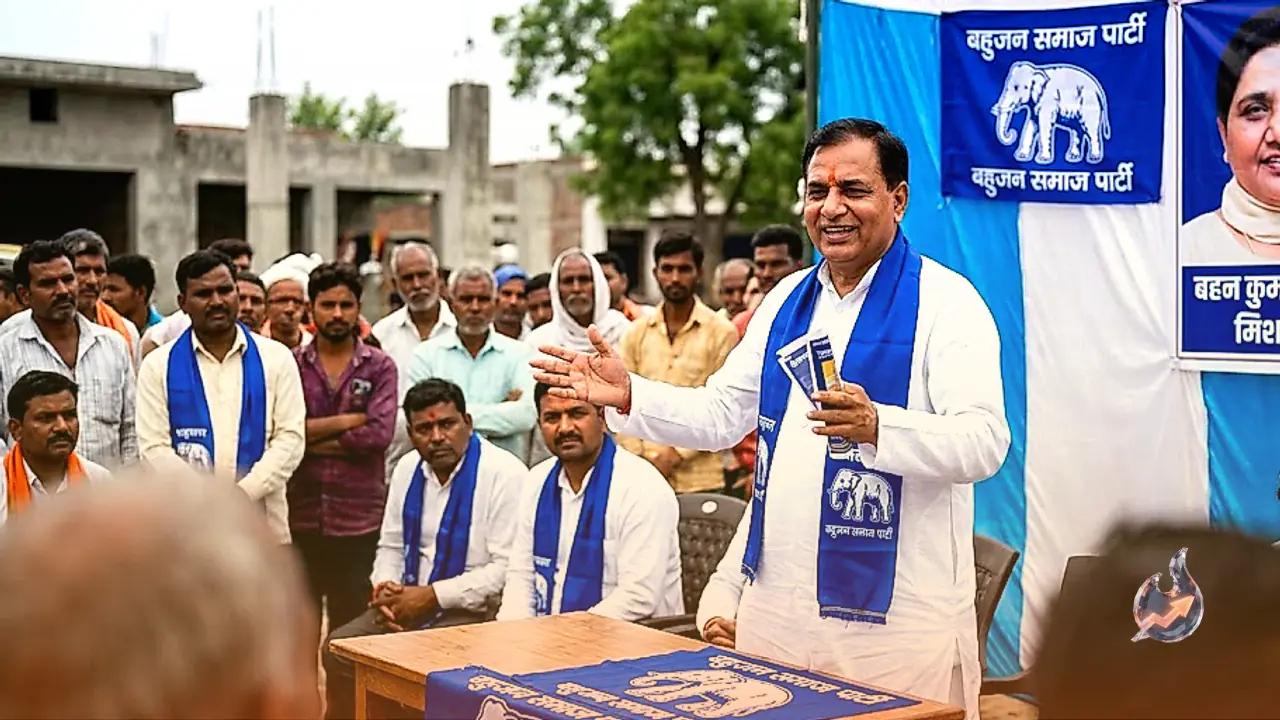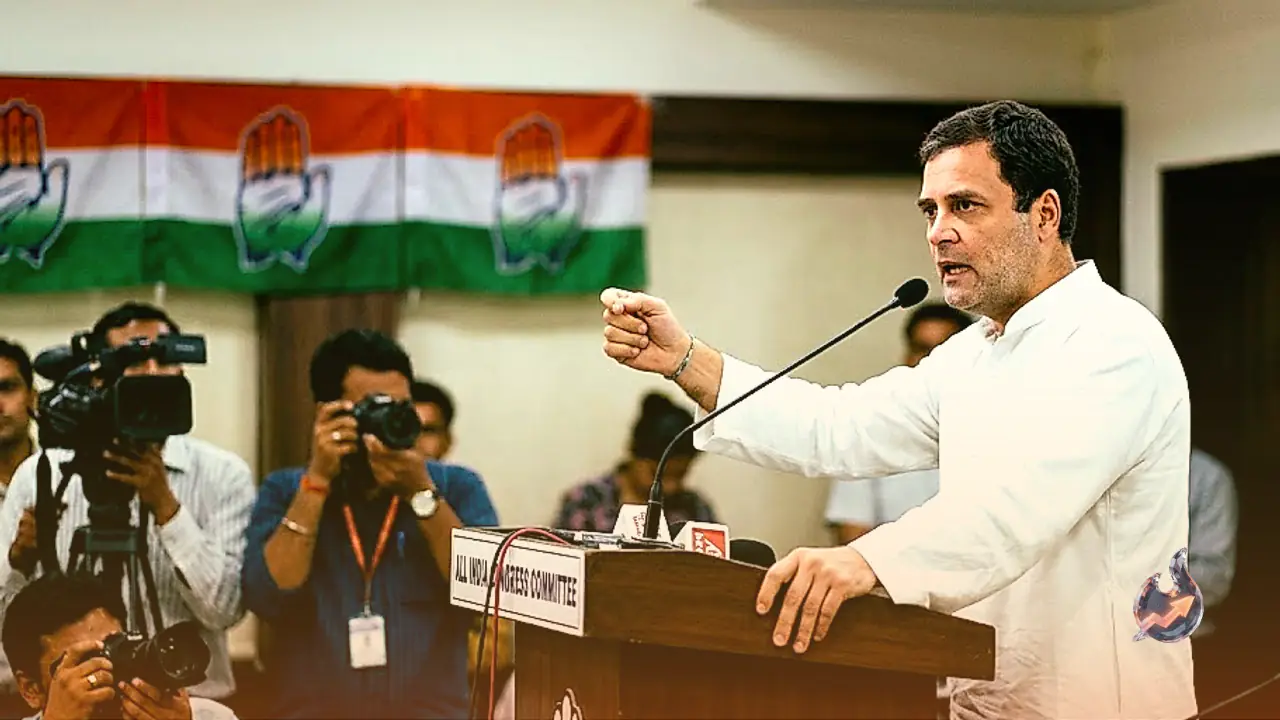

























When ordinary citizens take center stage in televised political discussions, standard campaign rhetoric often faces uncompromising scrutiny. During a recent open public forum moderated by Prateek Trivedi, spokespersons from both major political parties found themselves fielding rigorous questions from the audience. The initial spark came from an individual who challenged the core ideological slogan frequently championed by Rahul Gandhi, which asserts that representation and resource shares should directly correspond to demographic numbers. Instead of accepting the slogan at face value, the participant juxtaposed this narrative against the historical backdrop of 1974, when the government led by Indira Gandhi aggressively promoted national family planning initiatives.
Family Planning Precedents Clash With Population-Based Shares
The citizen recounted that in 1974, his father consciously adhered to the state's civic appeal led by Indira Gandhi advocating the well-known norm of limiting families to two children. He pointed out that millions of citizens acted responsibly by restricting their family sizes in alignment with national policy. Drawing a direct connection to the slogan demanding proportional shares based on raw headcounts, he questioned how the political system intends to treat families that deliberately practiced population control. The participant argued that prioritizing sheer numbers inevitably penalizes those households that complied with state guidelines, creating a perverse dynamic where demographic restraint leads to reduced social and political weight.
Electoral Delimitation and the North-South Demographic Divide
As the dialogue unfolded, the scope expanded from personal choices to structural governance and parliamentary seat allocation. The audience member emphasized that if population size dictates societal shares, the same logic will inevitably dictate the redrawing of constituencies across the Lok Sabha and state legislative assemblies. He explicitly highlighted the demographic divergence between northern and southern states, pointing out that southern regions successfully curbed population growth through decades of disciplined policy implementation. He argued that states and communities that took population management seriously must not be penalized through diminished parliamentary representation in national decision-making.
Direct Accountability on Teacher Recruitment and Regular Employment
The accountability did not stop with opposition rhetoric; representatives of the ruling BJP were equally confronted by frustrated youth regarding job creation. A young attendee brought up the unresolved status of the 69,000 assistant teacher recruitment drive in Uttar Pradesh, demanding to know why clarity has remained elusive for aspiring educators. The participant expressed dismay over the recurring pattern where massive employment drives are advertised prominently right before major electoral cycles, only to languish in administrative limbo afterward. He questioned why regular, predictable, and transparent recruitment calendars cannot be implemented instead of relying on seasonal election promises.
The Recurring Trap of Farm Debt and Political Loan Waivers
Agricultural distress and the broader economics of rural indebtedness formed another contentious pillar of the town hall. Questioning the standard playbook of political loan waivers, a speaker laid out the vicious economic cycle confronting agrarian families. He argued that prevailing systemic policies consistently push farmers into structural debt in the first place, only for politicians to present themselves as benefactors offering waivers ahead of assembly elections. The participant demanded systemic answers as to why farmers are perpetually subjected to financial vulnerability rather than structural economic empowerment.
Dispute Over Digital Payments, UPI, and Merchant Discount Rates
The session also addressed contemporary financial policy when a student questioned the rationale behind Merchant Discount Rate levies on digital payment mechanisms. Focus was brought to the Unified Payments Interface, with the student asking why the question of transactional charges keeps surfacing for digital finance when administrative budgets regularly absorb extensive free public welfare schemes. The discussion exposed sharp differences regarding the financial viability of digital payment infrastructure, transactional burdens on small merchants, and the responsibilities of the administration in sustaining accessible public digital utilities.