













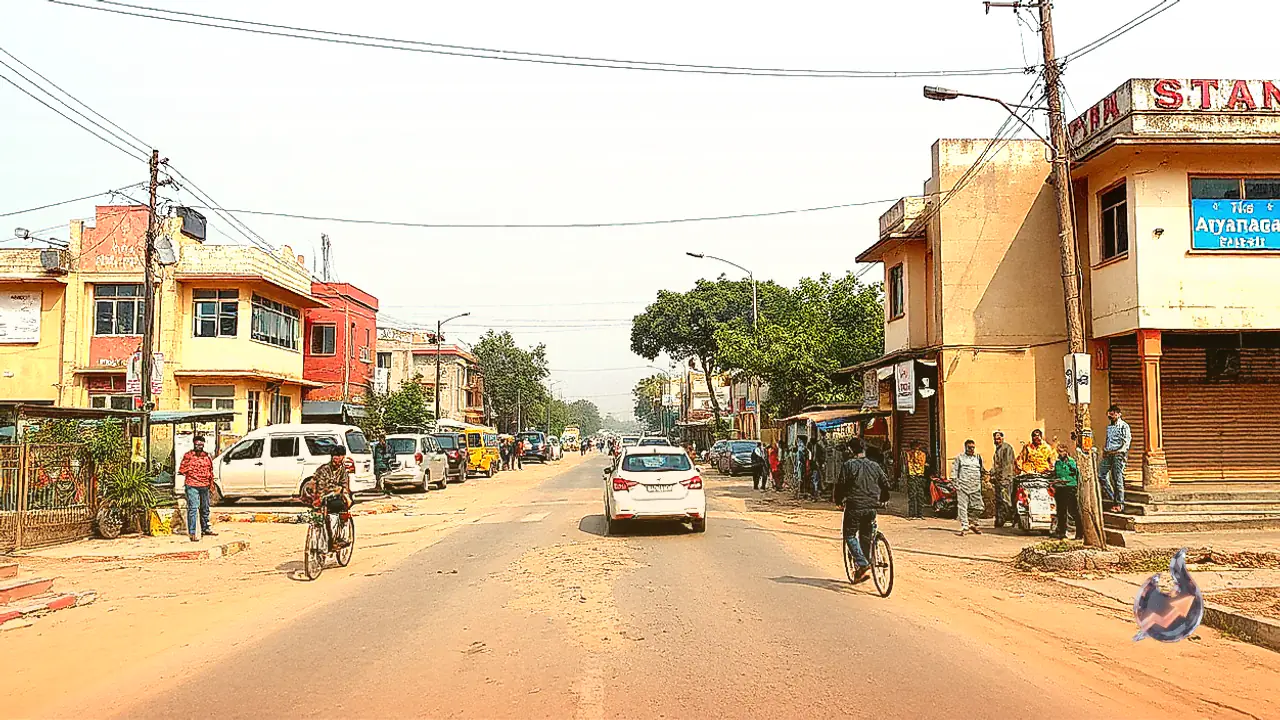

The electoral history of the Aryanagar assembly constituency in Kanpur reflects three decades of shifting political dominance among the Samajwadi Party, the Bharatiya Janata Party, and the Bahujan Samaj Party. Functioning as an integral segment of the Kanpur parliamentary seat, Aryanagar carries assembly constituency number 287. Across eight assembly elections organized between 1991 and 2022, the Samajwadi Party emerged victorious on five occasions, the BJP secured two wins, and the BSP managed a single victory. The Indian National Congress, meanwhile, has endured a complete dry spell in this constituency throughout the past three decades. Amitabh Bajpai of the Samajwadi Party currently represents Aryanagar, entering the next electoral cycle with an opportunity to secure a third straight win.
The Bharatiya Janata Party's Breakthrough Victory in 1991
In the 1991 assembly contest, the Bharatiya Janata Party registered its first electoral triumph in Aryanagar. Satyadev Pachauri contested on the BJP symbol and garnered 29,964 votes, comfortably defeating his closest challenger, Mohammad Suleman of the IML, by a margin of 10,105 ballots. Mohammad Suleman managed to collect 19,859 votes during that election. The Congress party fielded SM Usman, who finished in third place after securing 8,222 votes. This performance established the BJP as a formidable political contender in the urban pocket of Kanpur.
The Coalition Wave of 1993 That Dislodged the Incumbent
The ground situation transformed significantly during the 1993 Uttar Pradesh assembly elections when the Samajwadi Party and the Bahujan Samaj Party formed an alliance. Contesting under the BSP banner, Mahesh Chandra secured 45,981 votes to claim the constituency. Satyadev Pachauri of the BJP slipped to second position, polling 40,913 votes and falling short by 5,068 votes. The Congress nominee, Hafiz Mohammad Umar, stood a distant third with 7,300 ballots, highlighting the bipolar contest engineered by the coalition.
Mushtaq Solanki's Razor-Thin Margin of Victory in 1996
The 1996 state election marked the maiden win for the Samajwadi Party in Aryanagar. Party candidate Mushtaq Solanki engaged in a fierce contest with BJP contender Satyadev Pachauri, winning by just 2,562 votes. Mushtaq Solanki received 39,531 votes, whereas Satyadev Pachauri secured 36,969 ballots. Across all eight assembly contests staged between 1991 and 2022, this remained the narrowest winning margin on the seat. The BSP finished third in this contest, with its candidate Ziaul Islam Zia obtaining 17,036 votes.
Mushtaq Solanki Strengthens His Grip in the 2002 Elections
In 2002, Mushtaq Solanki solidified his position across Aryanagar by earning a second consecutive mandate. The Samajwadi Party representative attracted 46,448 votes, dominating the race against BJP nominee Anant Mishra Antu, who was restricted to 19,132 votes. The victory margin expanded drastically to 27,316 votes. The Congress candidate Bhudhar Narayan Mishra stood third with 12,920 votes, while BSP contender Rajneesh Tiwari dropped to fourth place with 4,490 ballots.
Irfan Solanki Takes Over His Father's Political Legacy in 2007
Following the demise of Mushtaq Solanki in 2006, the Samajwadi Party nominated his son Irfan Solanki for the 2007 assembly polls. The local electorate backed Irfan Solanki, who polled 36,376 votes and defeated BJP candidate Harish Matreja by a gap of 23,203 votes. Harish Matreja could gather only 13,173 votes. With this decisive verdict, the Samajwadi Party achieved its first electoral hat-trick in Aryanagar. Pawan Gupta of the Congress captured 9,636 votes to take third place, while BSP nominee Sunil Babu settled for fourth with 7,788 ballots.
Delimitation and Salil Vishnoi's Resurgence for the BJP in 2012
Following the 2008 delimitation exercise, the 2012 state elections altered the constituency boundaries and disrupted the Samajwadi Party's unbroken winning run. Salil Vishnoi of the BJP captured the seat by polling 51,200 votes, defeating Samajwadi Party candidate Jitendra Bahadur Singh, who obtained 35,789 ballots. Salil Vishnoi registered a win with a margin of 15,411 votes. Congress contender Anil Kumar Sharma took the third spot with 19,345 votes, while Kailash Sharma of the BSP ended fourth with 12,797 votes.
Amitabh Bajpai Reclaims Aryanagar for the Samajwadi Party in 2017
During the 2017 assembly elections, the Samajwadi Party brought forward a new candidate, Amitabh Bajpai, who succeeded in wrestling the constituency back from the BJP. Amitabh Bajpai received 70,993 votes, while the sitting BJP legislator Salil Vishnoi secured 65,270 votes, resulting in a victory margin of 5,723 ballots for the Samajwadi Party. The Bahujan Samaj Party suffered a sharp erosion in vote share, with its nominee A. Haseeb managing only 6,061 votes. Despite a statewide alliance between the Samajwadi Party and Congress, the Congress ran its own nominee, Pramod Kumar Jaiswal, who placed fourth with 1,596 votes.
Consolidation in 2022: Amitabh Bajpai Defeats Suresh Awasthi
In the 2022 assembly contest, Amitabh Bajpai maintained his winning momentum by capturing a second straight term. He received 76,897 votes, overcoming BJP candidate Suresh Awasthi, who secured 68,973 ballots. Bajpai won the contest by a margin of 7,924 votes. Pramod Kumar Jaiswal of the Congress party secured third position with 3,309 votes. The BSP saw its electoral strength diminish further, as candidate Aditya Jaiswal managed only 1,387 ballots, placing fourth.
Three Decades of Voting Data from 1991 to 2022
Detailed historical data demonstrates how voter loyalties have shifted across eight successive assembly elections in Aryanagar. In 1991, Satyadev Pachauri of the BJP secured 29,964 votes, beating Mohammad Suleman of the IML who polled 19,859 votes, creating a margin of 10,105 votes. In 1993, Mahesh Chandra of the BSP garnered 45,981 votes against 40,913 for Satyadev Pachauri, securing victory by 5,068 votes. In 1996, Mushtaq Solanki won for the SP with 39,531 votes over Satyadev Pachauri's 36,969 votes, a margin of 2,562 ballots. In 2002, Mushtaq Solanki expanded his tally to 46,448 votes against Anant Mishra Antu's 19,132 votes, winning by 27,316 votes. In 2007, Irfan Solanki logged 36,376 votes against Harish Matreja's 13,173 votes, taking the seat by 23,203 votes. In 2012, Salil Vishnoi of the BJP clinched 51,200 votes against Jitendra Bahadur Singh's 35,789 votes, establishing a gap of 15,411 votes. In 2017, Amitabh Bajpai won 70,993 votes against Salil Vishnoi's 65,270 votes, leading by 5,723 ballots. Finally, in 2022, Amitabh Bajpai received 76,897 votes to defeat Suresh Awasthi's 68,973 votes by 7,924 ballots.
Caste Dynamics and the Road to the 2027 Assembly Polls
The social composition of Aryanagar features significant concentrations of Muslim, Vaishya, and Brahmin voters, who together constitute the decisive voting blocs in any election. Looking ahead to the 2027 assembly elections, the Samajwadi Party faces the challenge of protecting its bastion and steering Amitabh Bajpai toward a rare third consecutive win. Meanwhile, the BJP remains focused on reclaiming an urban stronghold it held in 1991 and 2012. Crucial factors that will shape the 2027 verdict include ticket distribution, neighborhood civic issues, and caste coalitions. The contest appears poised to feature a direct face-off between the BJP and an alliance of the Samajwadi Party and Congress, while the BSP has struggled in recent elections to turn the constituency into a triangular contest.