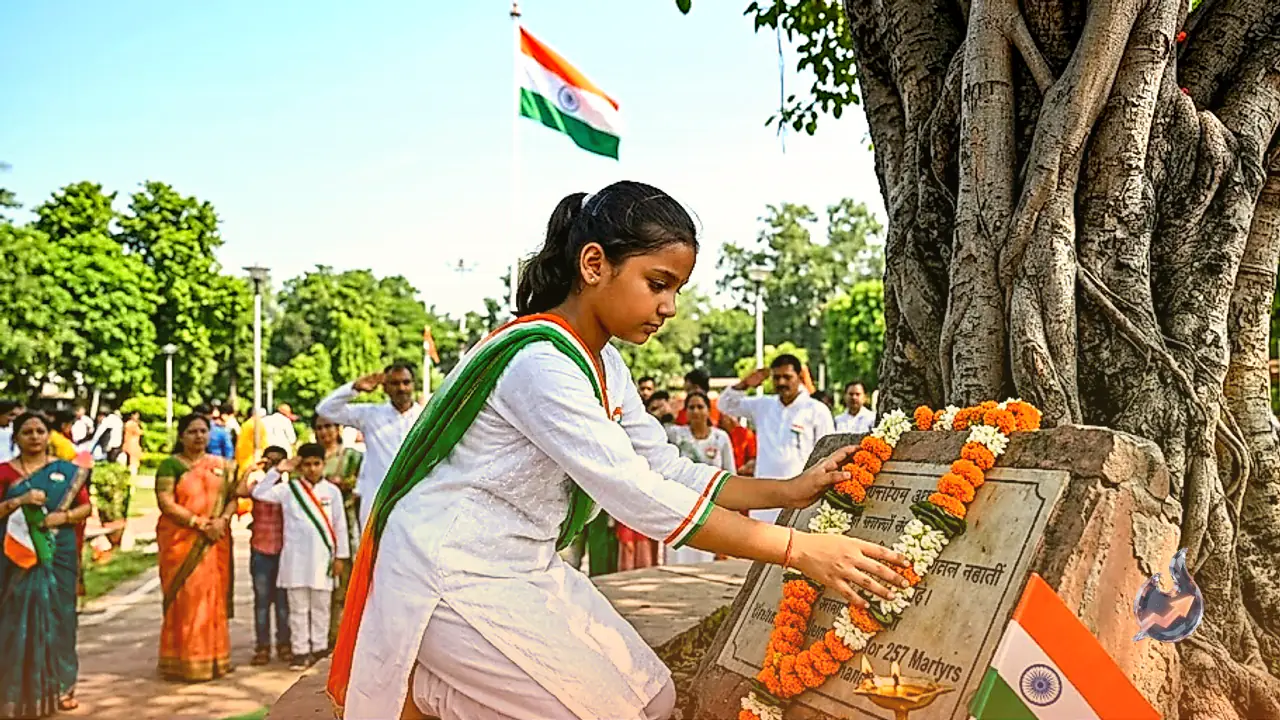





















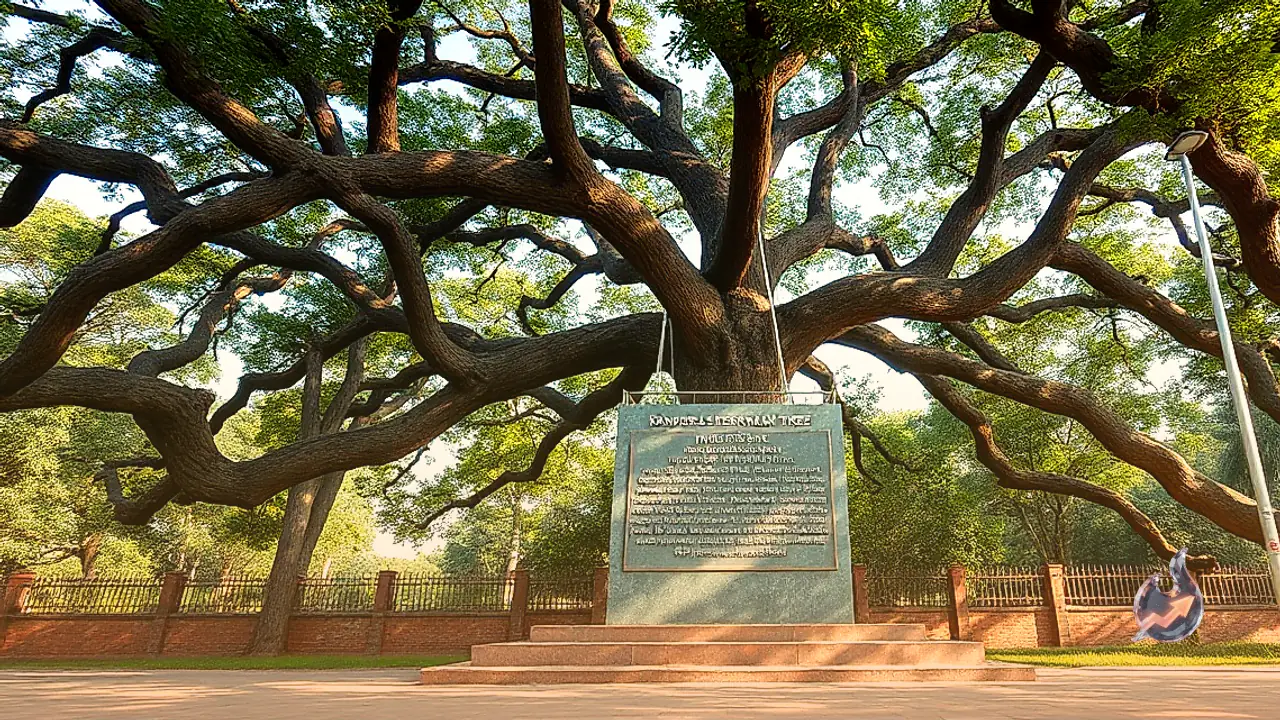

In the heart of Kanpur, Uttar Pradesh, Nana Rao Park serves as a tranquil green retreat where local residents gather for morning walks and leisurely evenings. Yet beneath its manicured lawns lies a poignant chapter of India's first war of independence. Prominently placed inside the park is a memorial plaque whose carved words bypass rigid bureaucratic prose to adopt the living voice of an ancient banyan tree. The inscription reminds visitors that the tree was far more than mere roots, bark, and leaves. It stood as a silent witness to the agony of enslaved India, observing both the courageous resolve of revolutionaries and the unspeakable cruelty of colonial rule.
The 1857 Uprising and Kanpur’s Bloody Resistance
When the spark of anti-colonial rebellion swept across Northern India in 1857, Kanpur quickly emerged as a nerve center of armed resistance against the East India Company. Nana Sahib led the local revolutionary forces, mounting a formidable challenge to British authority in the region. Key historical figures such as Tatya Tope contributed strategic brilliance, while Azimullah Khan played a crucial role in mobilizing diplomatic and political support. The broader struggle also mirrored the heroism and spirit of sacrifice exemplified by Rani Laxmibai. Alarm by the intensity of the uprising, British military commanders retaliated with ruthless force, initiating a brutal counter-offensive to reclaim control over the strategic city.
June 4, 1857: The Execution of 133 Revolutionaries on a Single Day
According to local historical records, June 4, 1857, marked one of the grimmest days in Kanpur's colonial history. Upon re-establishing authority, British forces launched large-scale roundups of suspected rebels and citizens. On that single day, 133 freedom fighters were condemned to death and taken to the massive banyan tree inside what is now Nana Rao Park. The thick, sprawling branches of the tree were converted into makeshift gallows, and the 133 patriots were hanged. Colonial authorities intended this mass execution to extend far beyond physical elimination; the objective was to inflict deep psychological trauma and instill such terror that no citizen would dare challenge imperial rule again.
'I Am the Witness of Enslaved India': A First-Person Inscription of History
The memorial plaque at Nana Rao Park is crafted in a unique first-person narrative, speaking as if the banyan tree itself were describing the events it beheld. The text recounts witnessing the mass mobilization under Nana Sahib, the tactical bravery of Tatya Tope, and the era of Rani Laxmibai's sacrifice, juxtaposed against the grim horror of patriotic lives ending upon its own branches. Historian Anup Shukla noted that the old banyan tree represents one of the most painful reminders of the 1857 uprising in Kanpur and the severity of British suppression. Shukla emphasized that the tree was a silent observer to the intense struggle, immense suffering, and brutal measures that defined the period. Although the physical tree eventually perished over time, its history remains alive through the memorial plaque.
The Loss of the Original Tree and the Modern Landscape of Nana Rao Park
Decades after the event, the original banyan tree naturally withered and ceased to exist. While the physical specimen is gone, local authorities ensured that its historical footprint was preserved through the memorial installation. Today, Nana Rao Park functions as a key public park containing various statues and memorials honoring India's freedom movement. Visitors strolling through the grounds are invited to pause at the plaque, reflecting on how a familiar public space once witnessed a pivotal moment of national resistance.
The Sacrifices of Ordinary Citizens and the Legacy of Freedom
The story carved into the stone serves as a reminder that India's struggle for independence was not carried solely by prominent historical leaders, but also by thousands of unnamed citizens who gave their lives. As park-goers read the quiet inscription today, the memory of the old banyan tree endures as a dual symbol: representing both the extreme repression of colonial rule and the unyielding determination of ordinary people who paid the ultimate price for freedom.