




















In the lead-up to the festive period of Diwali, households engage in rigorous cleaning and renewal across every corner of the home. Alongside general tidiness, the family temple requires focused spiritual and structural care. According to principles of Vastu Shastra, every aspect of the prayer area, ranging from the placement and direction of sacred deities to the immediate removal of discarded objects, plays an influential role in creating an uplifting domestic atmosphere. Setting up the altar correctly sets a harmonious tone for the auspicious days ahead.
The Significance and Celebrations of Dhanteras
Astrologer Pandit Akhilesh Pandey from Rishikesh explains that the festival of Dhanteras will be observed this year on Friday, November 6. Standing as the curtain-raiser to Diwali, this occasion is closely linked with the pursuit of material abundance, overall prosperity, and sound physical health. Long-standing tradition holds that devoted worship offered on this day to Lord Dhanvantari, Goddess Lakshmi, and Lord Kuber ushers persistent wellbeing into the household. Purchasing gold, silver, metallic utensils, and other brand-new utility items on this date is considered highly auspicious. Observing families traditionally clean their primary entryway and temple area, light traditional lamps, and commence their Diwali celebrations.
Removing Broken Deities and Unnecessary Clutter
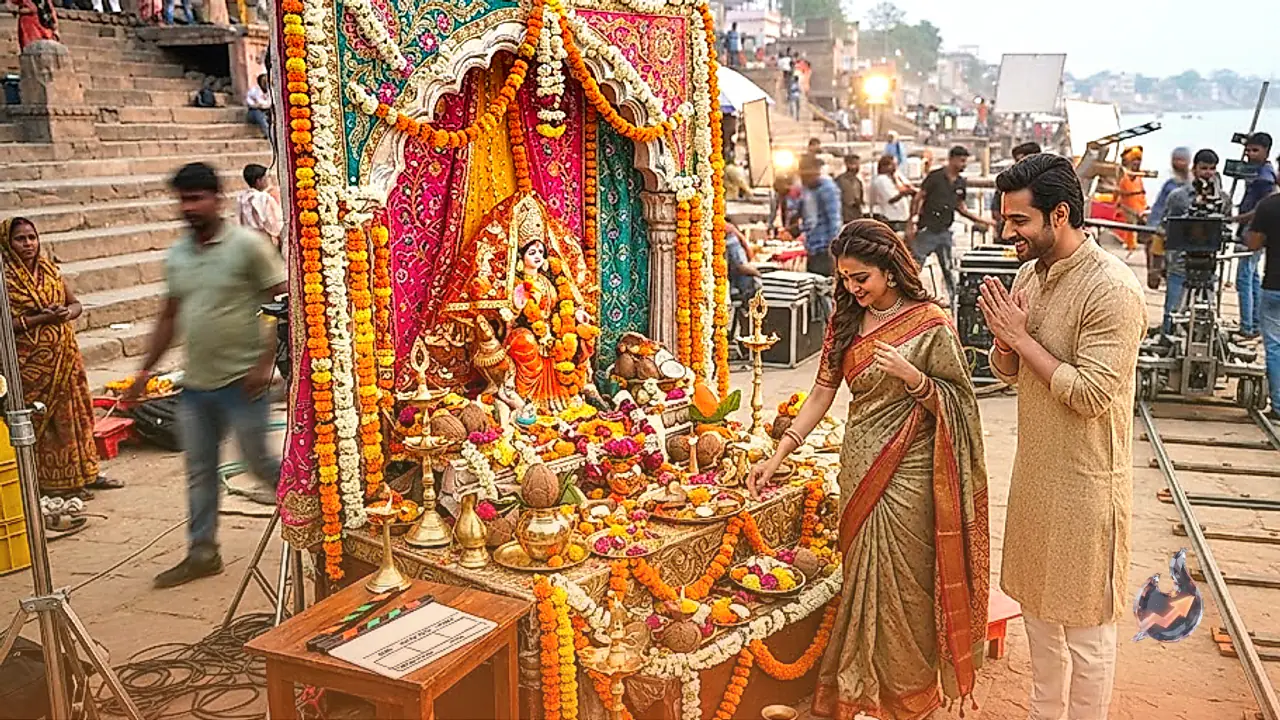
Astrologer Akhilesh Pandey notes that specific guidelines must be followed while cleansing the home altar before Dhanteras. Foremost among these directives is the prompt removal of any broken or damaged idols, as damaged forms should not remain in active worship. Similarly, dried or faded garlands and old flowers from previous rituals must be cleared away without delay. Any scrap paper, abandoned cartons, or useless clutter stored near the prayer space should be thoroughly cleared out. The specific surface designated for lighting lamps needs to be kept completely spotless, while routine ceremonial ingredients including roli, rice grains, camphor, and incense sticks should be neatly stored in sanitized containers.
Proper Direction and Placement of Sacred Idols
Under Vastu guidelines, an individual should ideally face either east or north while engaged in prayer rituals. Consequently, sacred idols must be arranged in a manner that leaves ample physical space in front of them for comfortable worship. Furthermore, the icons should never be placed directly flush against the wall; maintaining an intentional small gap between the sanctified images and the wall surface is recommended to uphold proper energetic balance within the sanctuary.
Choosing Fresh Mango Leaf Torans Over Artificial Decor
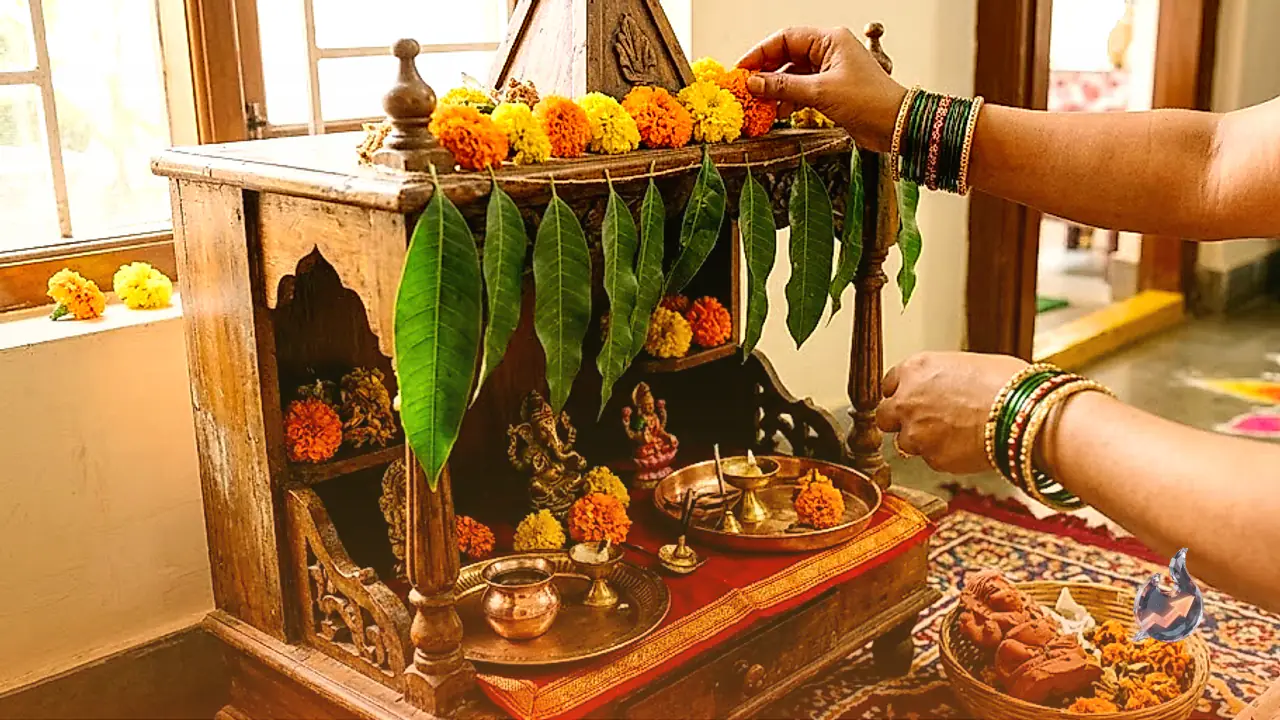
When decorating the home shrine for the festivities, Astrologer Pandit Akhilesh Pandey advises opting for natural foliage rather than synthetic plastic blooms. Hanging a festive toran crafted from fresh mango leaves at the sanctum entrance is regarded as deeply auspicious. In Hindu culture, mango foliage carries sacred reverence and is traditionally strung up during major ceremonies and religious observances. Adorning the temple with a mango leaf garland is believed to attract positive energy, symbolize prosperity, and enhance the visual beauty of the prayer space naturally.